Description
🚚 The Fastest Delivery Time : It Takes 1-2 Days.
🐝 Supplier / Place Of Origin:Malaysia
🌱 Producer Introduction:
♥️ Healthy Express is my way of helping two groups of people: new arrivals and interested locals who, like me, had no clue where to find ingredients, what local produce existed, where to get specialty food items, etc.; and secondly, farmers, market vendors, retailers, who had the foresight to seek out the best the products has to offer and take the risk of selling these to nutcases like myself. ♥️ Healthy Express is also my reason to overspend and overbuy every time I am in a market or food store with the excuse that it is just part of my “research budget.”
Many people recommend the Yeung Uk Road Market in Tsuen Wan. It is famous for its many seafood stalls, cheap prices and wide selection. You can buy seafood at the Yeung Uk Road Market. We provide seafood processing services for your health and hope to serve everyone.
Buy seafood at Yeung Uk Road Market in Tsuen Wan. Find the rare nine-lobsters that only exist at the junction of fresh and salt water in Lau Fau Shan. The fried and chopped pomfret is a good value. The seasonal crabs are delicious with ginger and scallions.
Yeung Uk Road Market
About Us
Feed You Healthy is an experienced fresh fruit and vegetable consultant who loves shopping, cooking and tasting delicious food. I have been fortunate enough to dine at some amazing restaurants around the world and shop at many spectacular markets and food stores. I love to cook and entertain at home, but I don’t have any formal training—my knife skills are mediocre, but I do learn from master chefs here and there. Food is just a personal preference.
I was born in Yuen Long, Hong Kong, and grew up in Hong Kong. After years of hard work, I was admitted to university and then to the Graduate School of HKUST. For more than a decade, I worked in IT for companies and banks, first as a technology consultant, and in my younger years I traveled all over Africa, Asia, Australia, and sometimes even to China. Now running the Food for You Healthy online store, what annoys me the most is people who lack logic and rationality... but the second thing that annoys me is having to run to a dozen local stores, markets, grocery stores, etc. to find the ingredients our customers need.
The lack of selection, inventory and consistency in produce, meats and dry goods was frustrating, but we learned to adapt. Over the past few years, the food options we have available have increased dramatically, and I have begun to experiment with some lesser-known sources to contact my own suppliers. I learn something every week, and now I find myself learning and being exposed to something new almost every day, which I sincerely share with customers who ask for it.
🌱 Supplier Products:
🛍 Product Information (Main) (English):
Stingrays are more than just stealth bombers! They're hidden underwater delicacies!
Stingrays are widely distributed, from inland freshwater to open ocean in South America, including benthic species, mid-water species, and even those that occasionally swim close to the surface. Like sharks and manta rays, they belong to the cartilaginous fish family. The unique amino acid and urea composition in their body fluids and tissues, while providing excellent physiological regulation and osmotic pressure balance for these species, inevitably gives them a relatively distinctive taste. However, the almost entirely edible skin, flesh, and cartilaginous tissue (excluding the internal organs) has a texture and flavor similar to shark fin—even larger but cheaper—making it attractive to many restaurants and gourmets.
Different cooking habits and seasonings reflect regional flavor preferences.
In Europe and America, stingrays are occasionally eaten, but only the flesh is used, coated in flour or batter and then fried or baked. In Northeast Asia, Korea, Japan, and the Liaodong Peninsula of China, they are often pickled or stewed. In Southeast Asian countries such as Indonesia, Thailand, Malaysia, and Singapore, grilling or frying on a hot plate is the main method. Depending on the regional flavor preferences, black pepper sauce, satay sauce, or other sour and spicy seasonings are added. Before eating, squeeze lime or lemon on top—paired with chilled coconut milk, sugarcane juice, or barley water, it is a true taste of the South.
--
Nutrients of this fish:

Low-calorie, lean source of protein
Rich in omega-3 fatty acids
Decent amounts of selenium, potassium, calcium, phosphorus,magnesium and iodine
Composes of Vitamin A, B1, B2, B3, B6, B12, D, E
Cooking methods: steam, grill, pan-fry, bake. Soup / curry.
✅ Listed as a species of Least Concern (LC) by IUCN 🐟
🐟 This species is considered a high-quality food fish and is often seen on the market, although not in large quantities. It is caught using hand lines and bottom trawls and is targeted by recreational anglers and commercial fisheries. It is also preyed by recreational, artisanal and commercial fisheries in Indonesia and Papua New Guinea, with part of the catch exported for sale on the international market. In fact, in many places where it is distributed, it is preyed by commercial fisheries. In southern China, people are breeding it in aquaculture. Due to the wide distribution of this species, stable populations, and strict protection in some areas, it is listed as a species of least concern by the IUCN.
🟡 Listed as a species of Vulnerable (VU) by IUCN 🐟
🐠 This species is considered a high-quality food fish and is often seen on the market, although not in large quantities. It is caught using hand lines and bottom trawls and is targeted by recreational anglers and commercial fisheries. It is also preyed by recreational, artisanal and commercial fisheries in Indonesia and Papua New Guinea, with part of the catch exported for sale on the international market. In fact, in many places where it is distributed, it is preyed by commercial fisheries. In southern China, people are breeding it in aquaculture. Due to environmental factors, there may be a relatively high threat of extinction in the medium term of this species, it is classified as vulnerable if it does not meet the critically endangered or endangered criteria, but its wild population faces a high risk of extinction in the future according to the IUCN.
WWF Seafood Selection Guide WWFシーフードセレクションガイド
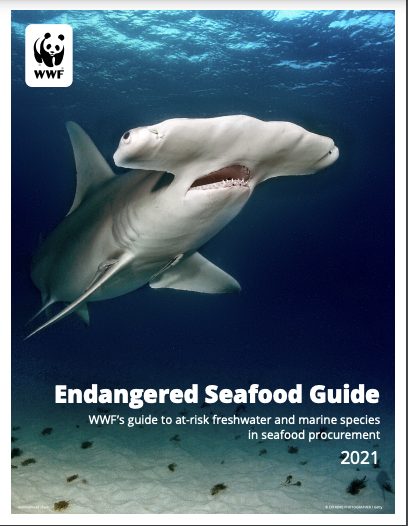
Whether it is wild-caught or farmed seafood, as long as it can meet our dietary needs without harming the future of the marine ecosystem, it is considered environmentally friendly seafood. The World Wildlife Fund (WWF) has been promoting environmentally friendly seafood and launched the Seafood Selection Guide to encourage the public and the industry to choose environmentally friendly seafood on the green and yellow lists to contribute to the conservation of marine resources.
Red, yellow, green, big and small. There are so many different types of seafood and fish in the wet market, how do you choose right? Check out our video to find tips for your next seafood shopping mission!
Important Notes:
- Do note that weight range provided is before any descaling, de-gutting and cleaning of the fish. The whole fish will belong to you - inclusive of fish bone, fish head, and all the meat!
- Selecting fillet means that we will fillet and portion the fish, and pack them individually. The fish head will be cut in half. We will return you the big bones which can be use to make fish bone broth.
- Selecting steak cut means that we will chop the fish into appropriate size of steaks. The fish head will be cut in half.
Do note that prices are estimated and may be subjected to refunds/top-ups since sizes vary as they are wild-caught.
🥗 Recipe (English Version):
Using Spices to Modify the Odor of Cartilaginous Fish: Domestic Stingray Cuisine Takes a Practical Approach
Stingrays are cartilaginous fish with a distinctive odor. Therefore, regardless of whether it's Chinese or Western cuisine, dishes made with stingrays are rarely bland; they are always infused with a large amount of spices and cooked using high-temperature baking, stir-frying, or long-simmering to modify the aroma. The trimmed stingray fins are cleaned, dried, and then soaked and braised, resulting in a dish that resembles shark fin in flavor, texture, and even appearance. In recent years, the widespread belief in the special medicinal effects of stingray gills (puffed gills) in China has suddenly brought this previously unknown fish into the spotlight.
Compared to these largely unfounded folk tales, the use of stingrays in domestic cuisine appears quite pragmatic. A common preparation involves blanching stingray in boiling water, cutting it into chunks or strips, and then stir-frying it over high heat with a generous amount of fermented soybean paste, ginger, and celery. Restaurants often serve it on a metal plate with a continuously heated alcohol burner or small stove underneath, allowing guests to experience different textures and flavors as the cooking time progresses. Another popular dish, "Spicy Stingray," originating from Southeast Asia, involves pouring a rich sauce over large slices of skin-on stingray fillet that has been pan-fried or grilled over charcoal, allowing diners to enjoy the smooth, delicate flesh and the springy, crunchy cartilage along the bone structure.
Stingray is even better with seasoning; air-drying and fermentation also produce excellent flavors.
While stingrays are often caught by hook and bite, their unusual appearance and the unappealing odor of cartilaginous fish make them a relatively inexpensive catch in the market, widely used by catering and buffet operators. However, with proper seasoning, stingray can still be quite delicious. Fishermen living near the fishing grounds, or those familiar with the characteristics of the ingredients and cooking methods, often use methods such as sun-drying, air-drying, fermentation, or brewing, or after soaking and rehydrating to soften, to braise with fatty pork belly, creating a unique flavor.
Stingray (Devil Ray/Pike) Cooking Recipes
I've selected two of the most classic and popular cooking methods: Steamed Stingray with Garlic and Black Bean Sauce (highlighting the freshness of the liver, steaming preserves the original flavor) and Grilled Stingray with Sambal (spicy and appetizing, a street food stall flavor). I've also included general handling tips, as stingrays have a high urea content, making freshness crucial; improper handling can easily result in an ammonia smell (urine odor).
General Stingray Handling Tips (Essential! Avoid Ammonia Smell)
Selection: Choose stingrays with a glossy body, plump, odorless liver, and bright flesh. Market vendors often remove the tail bones and internal organs, but you should still check them at home.
Cleaning: Gently rub the skin with coarse salt or rice wine + salt to remove the slime. Rinse thoroughly under running water, adding a little white vinegar or ginger juice to remove any fishy smell. The liver can be kept separately (it's extremely delicious).
Blanching to remove fishy smell: After cutting into pieces, blanch the stingray in boiling water with ginger slices, scallion segments, and rice wine for 1-3 minutes. Remove and rinse with cold or ice water to thoroughly remove surface slime and blood. This step is crucial and greatly reduces the ammonia smell.
Cutting method: Make diagonal cuts along the back of the fish (not too deep) to facilitate flavor absorption. The fish meat is tender and contains cartilage, while the fins are crisp.
Storage: Eat immediately after purchase or refrigerate for no more than one day. Overnight storage can easily produce an ammonia smell.
Tips: Female stingrays have larger and more fatty livers; people with gout should be aware of the high purine content and consume in moderation.
1. Steamed Stingray with Garlic and Black Bean Sauce (A classic Cantonese home-style dish, highlighting the sweetness of the liver)
This is the most common way to prepare stingrays in Hong Kong restaurants and homes. Steaming preserves the tender texture of the stingray, and the liver absorbs the sauce, becoming sweet and flavorful, perfect with rice.
Ingredients (approx. 600–800g stingray, serves 3–4):
1 stingray or half a stingray (cut into chunks or whole)
2–3 tablespoons fermented black beans (washed and roughly minced)
6–8 cloves garlic (minced)
4–5 slices ginger (shredded)
1–2 red chilies (shredded, optional)
2 scallions (shredded, separating white and green parts)
Seasoning: 1 tablespoon light soy sauce, 1 tablespoon oyster sauce, 1 teaspoon sugar, 1 tablespoon rice wine, a pinch of pepper, 2 tablespoons hot oil (drizzled last)
Detailed Steps:
Clean the stingray using standard methods and blanch. Drain. Make diagonal cuts along the back of the fish, sprinkle with a little salt and rice wine, and marinate for 10 minutes.
Place shredded ginger and some white parts of scallions on the bottom of a plate, then place the stingray chunks on top. The fish liver can be placed beside the fish or steamed together.
Sauté minced garlic and fermented black beans in hot oil over medium heat until fragrant. Add a little light soy sauce, sugar, and oyster sauce, stir-fry until well combined to make a sauce, and pour over the fish. Sprinkle with chili threads.
Steam over high heat for 10-15 minutes after the water boils (depending on the thickness; the fish is cooked when it turns milky white).
After steaming, sprinkle with scallion threads and drizzle with hot oil (for aroma), then serve.
Texture and Variations: The fish is tender and elastic, the liver is fresh and oily, and the fermented black beans and garlic are rich and flavorful. For a spicier option, add fermented bean paste; the liver can be steamed separately and then pressed into a soy sauce for mixing with rice – it's amazing! Extremely delicious with rice!
2. Sambal Grilled Stingray (Southeast Asian/Hong Kong street food style)
Spicy, sour, and sweet with a banana leaf aroma, the meat absorbs the spicy sauce and becomes increasingly flavorful with each chew. Suitable for outdoor or oven-baked cooking.
Ingredients (approx. 800g stingray):
1 stingray (cut into chunks or left whole, score the back with crosshatch cuts)
Sambal sauce (homemade or ready-made): 8-10 shallots, 5-6 cloves garlic, 10-15 dried chilies or bird's eye chilies, 1 tablespoon dried shrimp, 1-2 stalks lemongrass, a pinch of ginger or turmeric powder, 1-2 tablespoons sugar, 1 tablespoon lemon juice or lime juice, oil as needed
Others: 1 tablespoon curry powder or turmeric powder, a pinch of salt, banana leaves or aluminum foil (for wrapping and baking)
Detailed Steps:
Clean the stingray and blanch it to remove any fishy smell. Drain and rub with salt, curry powder, and turmeric powder to marinate briefly.
Homemade Sambal Sauce: Mince or finely chop the shallots, garlic, chilies, dried shrimp, and lemongrass. Sauté in hot oil (medium heat until the oil turns red and fragrant), add sugar and lemon juice to taste, and cook until thickened.
Spread a thick layer of sambal sauce on both sides of the stingray (apply more to the liver area).
Grilling Method:
Traditional: Wrap in banana leaves and grill over medium heat in a charcoal or gas oven for 10–15 minutes (flipping), until the fish is cooked through and the sauce is caramelized.
Home Cooking: Preheat oven to 200°C. Place on foil or a baking sheet and bake for 12–18 minutes (brushing with oil halfway through), or air fry at 180°C for 10–12 minutes.
After baking, sprinkle with chopped scallions or lime juice.
Taste and Variations: Crispy on the outside and tender on the inside, spicy with a sweet and sour flavor, and the cartilage is crunchy. Reduce the chili if you don't like it spicy; adding pineapple or cherry tomatoes while grilling makes it more appetizing. Many seafood stalls in Hong Kong offer this dish; making it at home is more hygienic.
Other Simple Variations:
Stir-fried or Braised with Black Bean Sauce and Chili: Blanch the fish, then sauté garlic, ginger, black beans, and chili until fragrant. Stir-fry quickly or simmer with water. Suitable for those who like strong flavors.
Salt and Pepper Stingray: Blanch, coat with flour, deep-fry until golden brown, then sprinkle with salt and pepper.
For the Fish Liver: Steam separately or sauté with minced garlic; it's as sweet and delicious as foie gras.
A Little Reminder:
Stingray flesh is delicate; do not overcook to avoid it becoming tough.
Freshness is paramount; once an ammonia smell appears, it's difficult to salvage.
Perfect with ice-cold beer or white rice!
These recipes are easy to make at home, and the ingredients are readily available in Hong Kong markets and supermarkets. If you would like a more detailed fish liver recipe, an air fryer version, a three-cup version, or other variations (such as Saikyo-yaki or curry), or if you would like to add seafood such as whelks as discussed earlier, please let me know which one you prefer, and I will refine the steps or adjust the quantities! 😊 Remember, fresh stingray + thorough removal of fishy smell = guaranteed deliciousness!
Google Recipe 🔍 :
English CookPad 🍳 :
BBC Good Food 🥙 :
Shopping and Preparation Tips (Practical for Hong Kong Markets)
Freshness: Choose fish with a glossy appearance, plump liver without any odor, and bright flesh. Fish that have been stored for a long time will develop an ammonia smell (like urine), so buy and eat immediately or refrigerate for no more than one day.
Preparation: Fish stalls usually remove the internal organs and debones. At home, blanch the fish in water with ginger, scallions, and cooking wine to remove any fishy smell and thoroughly wash away any slime. The liver can be steamed alone or cooked with the fish meat; it's the most flavorful part.
Cooking Recommendations: For a stronger flavor, steaming with garlic, black bean, and chili, or grilling with sambal, will bring out the freshness. For a lighter flavor, poach in broth or stir-fry with ginger and scallions.
Precautions: Stingrays are cartilaginous fish, rich in protein and collagen, but high in purines (people with gout should consume with caution). Some varieties have venomous bones, but these are usually removed at the market.
Most stingrays in Hong Kong markets come from the South China Sea or Southeast Asia, and are mostly wild-caught. Supply depends on the season and catch.
Looking for the freshest seafood in town? Or maybe you want to request something that's not listed on our website? Our Seafood Concierge Service is here to help!
We don't just sell fish, we tailor it according to your needs.
How it Works:
At Healthy Express, we provide customised service to all our customers. You can indicate your specific request during checkout.
For whole fishes, we descale, degut and clean the fish properly before vacuum-packing it.
The following can be done upon request: butterfly your fish / cut the whole fish into steaks/fillets on both sides.
For fillets, we can do the following upon request: de-skin / cut into cubes / small portions for babies.
You can also contact us via WhatsApp to tell us what you're looking for. We'll get back to you with pricing and delivery options. Once you approve, we'll send you a custom order link to complete the payment.
🥘 Seafood Selection Guide 🐠
When choosing seafood, you can refer to the Seafood Selection Guide developed by WWF Hong Kong, which divides seafood into three categories: "Green - First Choice", "Yellow - Second Choice" and "Red - Avoid" to make more environmentally friendly choices. The guide covers more than 70 common seafood species in Hong Kong.
Here are some general guidelines for choosing seafood:
Choose sustainable fishery products:
Prefer seafood that has been certified by the Marine Stewardship Council (MSC), which means that the seafood comes from sustainable fisheries.
Understand the source of seafood:
Try to choose local catches as they have a shorter transportation distance and a lower carbon footprint. Avoid overfished species such as certain large fish and deep-sea fish.
Pay attention to seasonality:
Some seafood has a spawning period, and fishing during the spawning period will affect its population, so try to avoid it. Check the seafood season and choose the right seasonal seafood.
Reduce the consumption of large fish:
Large fish are usually at the top of the food chain, and may accumulate more pollutants in their bodies. It also takes longer to mature and reproduce, so try to reduce their consumption.
Avoid eating endangered species:
Some seafood species have been listed as endangered species, such as humphead wrasse and shark fin, and should be avoided to protect their ecological environment.
Check the farming methods of seafood:
If you choose farmed seafood, you should understand whether its farming methods have an impact on the environment, such as whether drugs or feed are used to pollute the water source.
Reduce the consumption of shark fins:
The fishing of shark fins poses a huge threat to shark populations, and shark fins should be avoided to protect the marine ecology.
In summary, when choosing seafood, the following factors should be considered:
Sustainability: Choose certified sustainable fishery products.
Source: Understand the source of seafood and choose seafood that is locally caught or sustainably farmed.
Seasonality: Choose seafood in season and avoid fishing during the spawning period.
Species: Avoid eating large fish and endangered species.
Farming methods: Understand the way seafood is farmed and choose environmentally friendly farming methods.
Reference

 Low-calorie, lean source of protein