Introduction to Chemical Pesticides
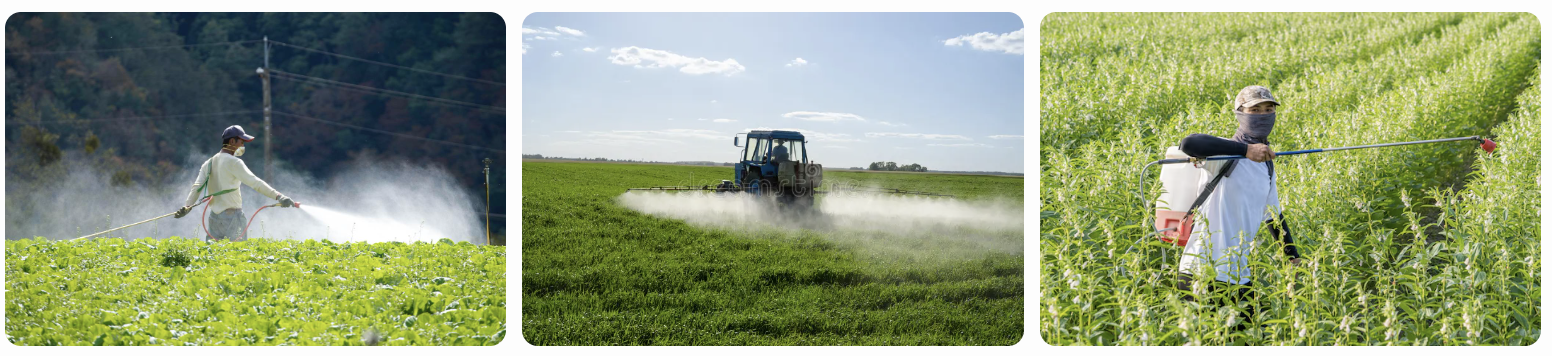
Chemical pesticides are pesticides synthesized using chemical methods. They are mainly used to control crop diseases, pests, and weeds, or to regulate plant growth. They are one of the most important plant protection materials in modern agriculture, effectively increasing crop yields, but also carrying environmental and health risks.
Pesticides can be divided into 3 main categories: mineral-based, biological, and chemical pesticides. Chemical pesticides currently account for the largest proportion of use due to their high efficacy, low cost, and ease of application.
Historical Development
Ancient Times: Early pesticides used natural substances such as inorganic compounds like sulfur, arsenic, and mercury, or plant extracts (such as pyrethrum and rotenone).
Early 20th Century: The rise of synthetic chemical pesticides, with the widespread use of organochlorine pesticides such as DDT (1940s), significantly increased grain yields, but these were later banned due to persistent pollution (such as bioaccumulation).
1960s-1980s: The emergence of a new generation of chemical pesticides, such as organophosphates, carbamates, and pyrethroids, offered better efficacy and greater selectivity.
Modern Times: Pesticide development emphasizes low toxicity, low residue, and environmental friendliness. The proportion of biological pesticides is increasing, but chemical pesticides still dominate the market.
Chemical pesticides are mainly classified according to the target pests they control:
Types | Main Uses | Common Examples
Insecticides | Control of insect pests | Organophosphates (e.g., malathion), pyrethroids
Fungicides | Control of fungal diseases | Copper-based, benzimidazoles
Hydricides | Weed control | Glyphosate
Acaricides | Acar control | -
Nematodes | Nematode control | -
Rodenticides | Rodent control | -
Plant Growth Regulators | Regulate growth, promote fruit production | Gibberellins, etc.
Lists of registered pesticides in HK
Safety Use Recommendations
Comply with pesticide licenses, dosages, and safe harvest periods.
Promote Integrated Pest Management (IPM) by combining biological control and crop rotation to reduce reliance on chemical pesticides.
Trend: Shifting towards low-toxicity biological pesticides and organic farming to reduce environmental burden.
Chemical pesticides are a double-edged sword; their rational use can ensure food security, but over-reliance can lead to long-term harm. Consumers are advised to choose low-residue or organic products and support sustainable agriculture.


