Description/Taste
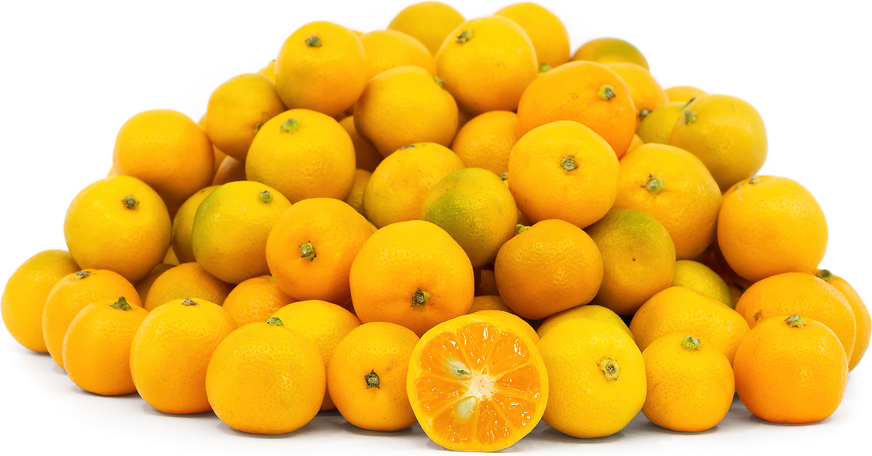
Calamondin limes are small fruits, averaging 2 to 5 centimeters in diameter, and are globular to oblate in shape. The skin is smooth, thin, glossy, and taut, covered in many small, prominent oil glands, and ripens from green, yellow, to orange with maturity. Depending on the climate and region grown, the fruit may also remain green when ripe. Underneath the surface, the flesh is orange, aqueous, soft, and divided into 7 to 9 segments by thin, pale orange membranes. The flesh also encases many small, cream-colored seeds. Calamondin limes are aromatic with a bright, floral scent and have a tart, pleasantly sour, and acidic citrus taste. It is important to note that both the flesh and peel are edible, and the peel contains a tangy, slightly sweeter taste than the flesh.
Seasons/Availability
Calamondin limes are available year-round, with a peak season in the winter through spring.
Distinguishing Between Calamondin and Kumquats
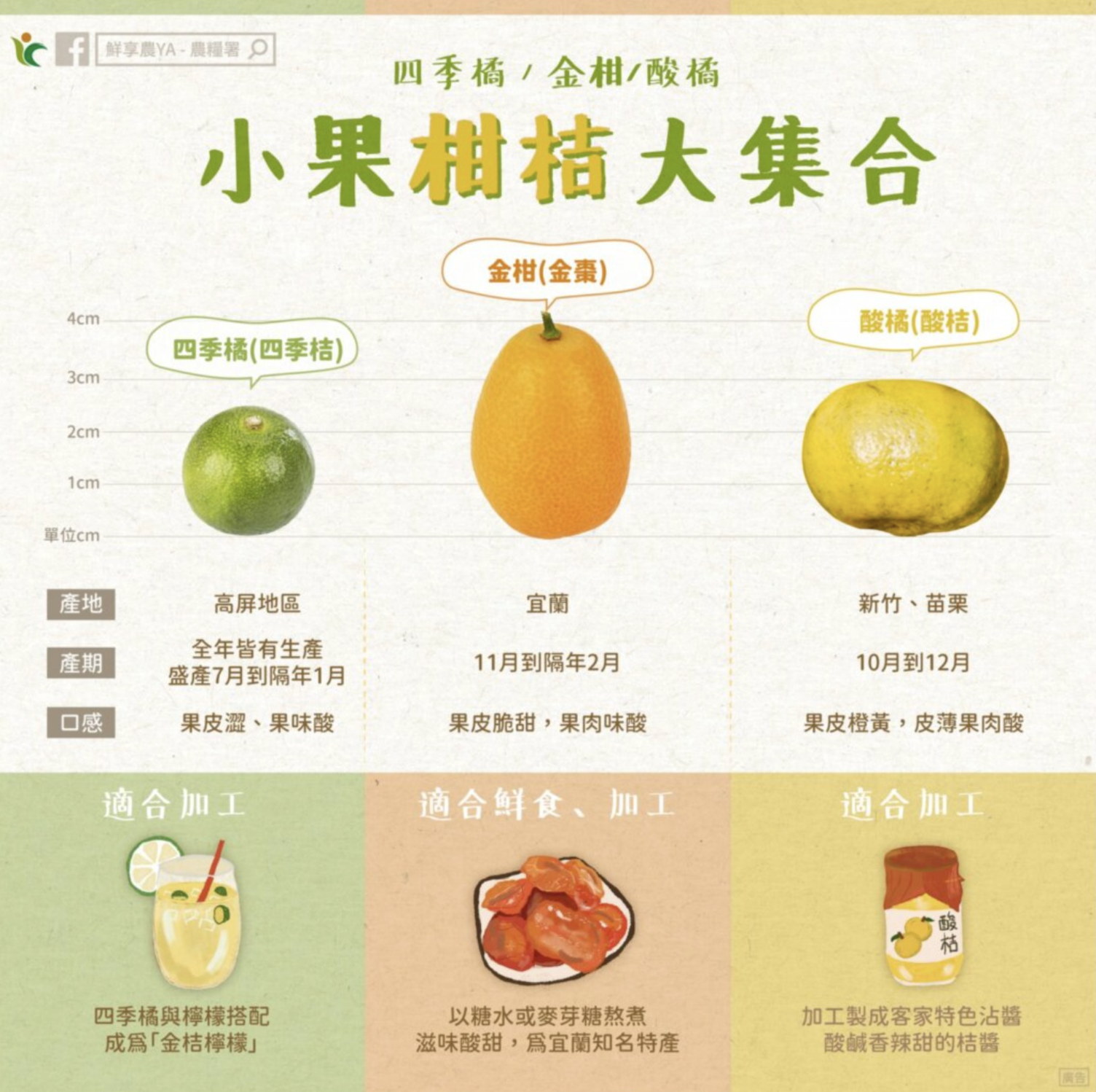
Some people are unclear about the differences between Calamondin limes and kumquats, and have joined the debate, writing incoherently. The names Calamondin and kumquats are also confusing, with many people using the same term interchangeably. Kumquats, Calamondin, four-season tangerines, and four-season oranges are all confused. Luofu, Luowen, Jindou, and Jindan should be classified as kumquats; only hybrids of kumquats and citrus fruits are true Calamondin. Their characteristics differ, mainly in flowering time and the number of segments on the fruit. Calamondin have a long dormancy period and a late flowering period, generally blooming in June, with fewer segments, usually less than 7 per fruit; while Calamondin bloom early, flowering profusely in April, with more than 8 segments per fruit. Kumquats are suitable for eating fresh, making preserves, and are also ornamental; kumquats are mainly for ornamental purposes. Kumquats have wide applications in cooking and beauty, and are also a common seasoning in cocktails.
Current Facts
Calamondin limes, botanically a part of the Citrus genus, are a hybrid variety belonging to the Rutaceae family. The tart fruits are believed to be a cross between a sour, loose-skinned mandarin and a kumquat, and are one of the most popular citrus fruits in Southeast Asia. Calamondin limes are also known as Calamansi and Calamonding and are a favorite ornamental plant for home gardening. The trees can survive in very small spaces, especially in containers, and are often planted on patios for everyday use as fruit is produced year-round. Calamondin limes are used in a wide variety of culinary and beauty applications and are also a popular flavoring in mixology.
Nutritional Value
Calamondin limes are an excellent source of vitamin C, which is an antioxidant that can strengthen the immune system and provides anti-inflammatory properties. The limes are also a good source of potassium, vitamin A, fiber, calcium, and limonene, which is a component of the oil found in the rind that provides antioxidant-like benefits to improve overall health.
Why are unripe kumquats suitable for making salted citrus?
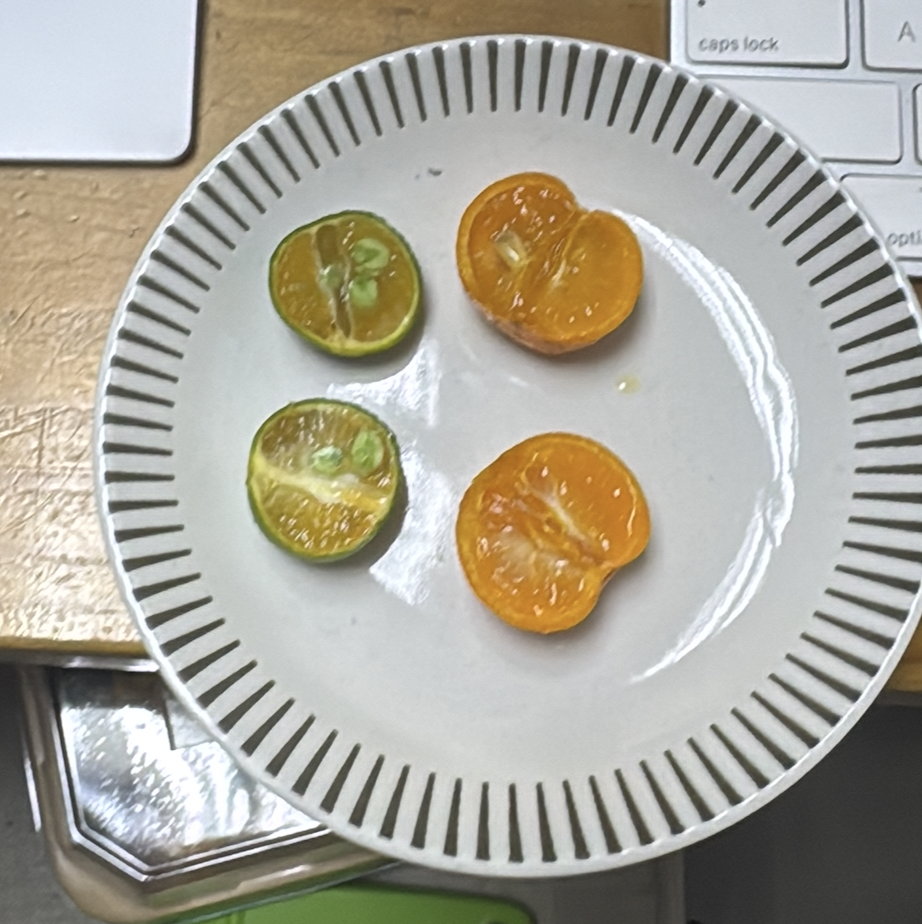
Calamondin (also known as four-season kumquats), mandarin orange are the preferred variety for making salted citrus. Many traditional Chinese medicine practitioners and practitioners (such as Dr. Hu Qijun, a Chinese medicine practitioner in Hong Kong) clearly point out that calamondin are the best choice for making salted citrus, with better effects than other citrus fruits (such as gentian or kumquats) because kumquats have thin peels, strong aromas, moderate acidity, and are rich in volatile oils, organic acids, and vitamin C, which are more easily released during the salting process.
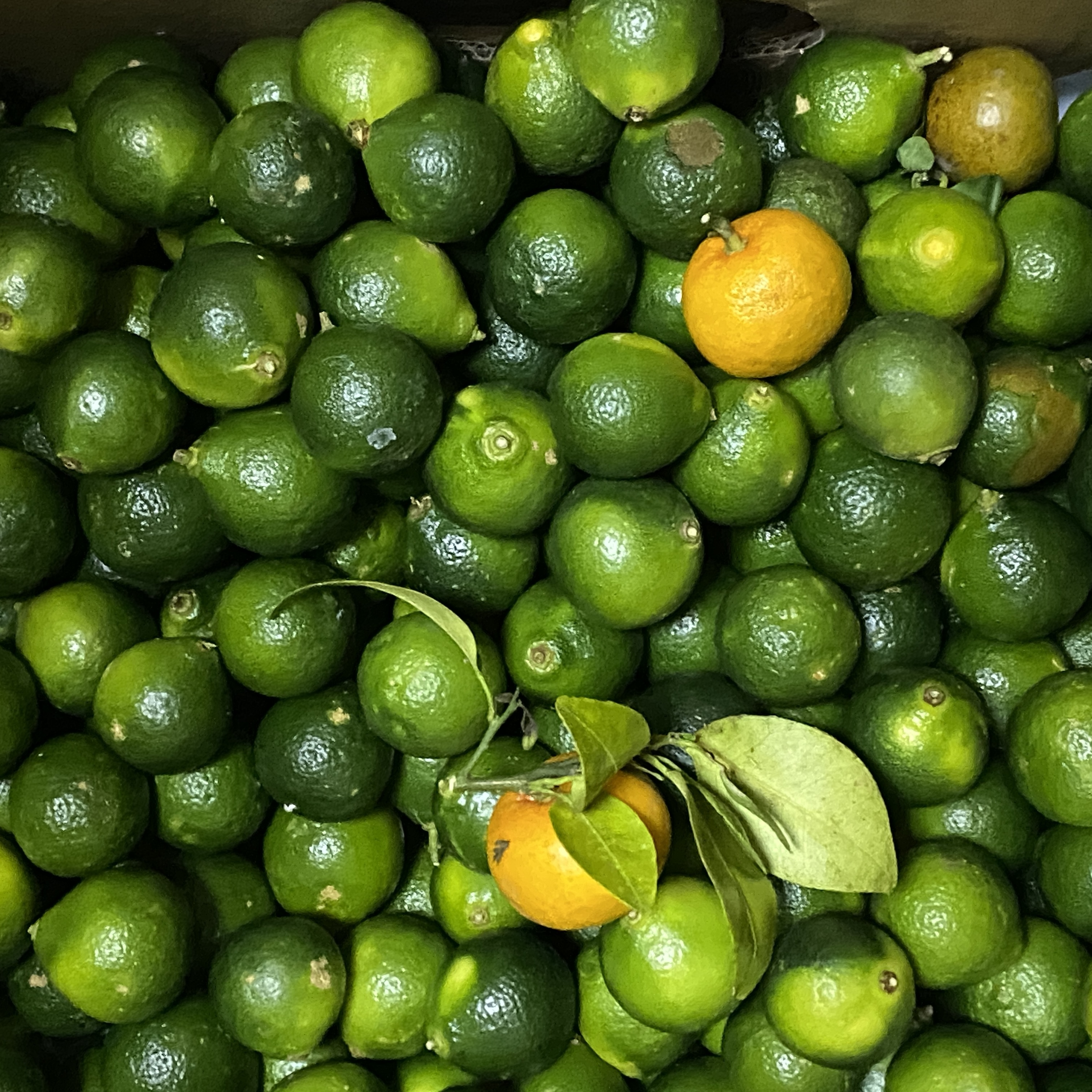
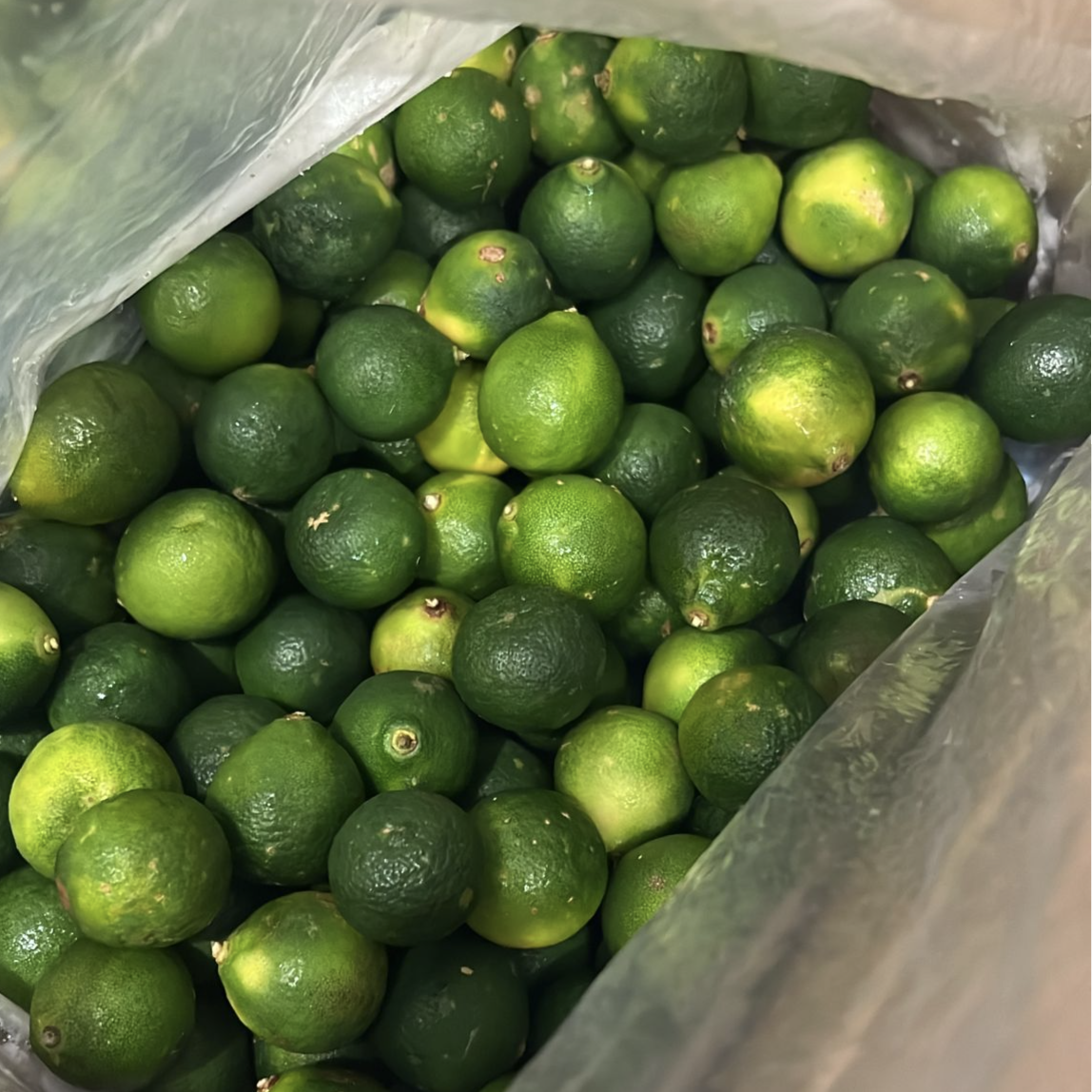
Unripe (green) calamondin have a stronger sour taste and a more pronounced cooling effect. Traditional Chinese medicine believes that unripe calamondin are cooling in nature, with stronger effects in clearing heat and detoxifying, promoting body fluid production and quenching thirst. They are suitable for soothing the throat, relieving phlegm and cough, especially effective for sore throat, hoarseness, and dry cough caused by "heat." While ripe (orange-yellow) calamondin are sweeter and have a more pronounced warming effect, unripe kumquats have a more balanced "salty, sour, and sweet" flavor after salting. In folk medicine, unripe kumquats or slightly green kumquats are often used directly for salting.
The salting process gradually turns the fruit black (it becomes jet black after aging), which is a normal fermentation process. The longer the aging, the more significant the effects (ideally over six months, 1-2 years is even better). The fruit has a deep color and a mellow taste. Regardless of whether it starts as green or yellow, the finished product has similar effects, mainly relying on the essential oils and acidic components in the peel to stimulate the respiratory mucosa, thin phlegm, and soothe the throat.
Efficacy Comparison (Green vs. Ripe Fruit)
Main Effects (Common to Both): Relieves cough and phlegm, clears heat and soothes the throat, reduces inflammation and swelling, regulates qi and stomach, and quenches thirst. It is particularly effective for sore throat, cough, hoarseness, and throat discomfort caused by colds. It can also promote digestion and relieve greasiness.
Advantages of green calamondin: Stronger heat-clearing effect (cooler nature), suitable for those with excessive internal heat, dry and itchy throat, and yellow sticky phlegm. Many homemade pickles use seasonal green kumquats because they are readily available and have high acidity, stimulating more saliva production when mixed with water, resulting in a noticeable moisturizing effect.
Advantages of Ripe Fruit: It is milder in nature, and its expectorant and cough-relieving effects are more "moistening," making it suitable for those with a weak constitution or chronic cough. However, unripe fruit is more common in traditional Hong Kong methods, and its effects are comparable, even considered "best."
Other Applications
Calamondin limes are best suited for fresh applications as their acidic, tangy juice is used to flavor foods in Southeast Asian cuisine, similar to the way lemons or limes are used to brighten dishes in the United States. The fruits can be sliced in half, deseeded, and juiced to add a floral zest to soups, noodles, rice dishes, stir-fries, and curries, or they can be used as a finishing element squeezed over roasted meats and fish. In the Philippines, Calamondin limes are popularly juiced over pancit, which are thin street noodles fried with vegetables. Calamondin limes can also be eaten whole with the peels as a breath freshener, sliced into sparkling water, or used to flavor pies, cakes, muffins, frostings, cookies, and gelatins. The pure juice is often pasteurized and bottled as a beverage or concentrate in Southeast Asia, and the juice is frequently incorporated into cocktails. Whole fruits may also be preserved in jellies, jams, or marmalades or used in sauces and custards as an exotic lemon curd alternative. Calamondin limes pair well with meats such as poultry, fish, beef, and pork, shrimp, carrots, snap peas, celery, cabbage, bell peppers, aromatics such as ginger and garlic, herbs such as Thai basil, lemongrass, mint, and cilantro, and fruits such as pineapple, papaya, mango, and coconut. The limes can be stored at room temperature for up to one week and in the refrigerator for 1 to 3 weeks.
Precautions and Suggestions
During preparation: Unripe fruit has a high moisture content and needs to be thoroughly air-dried (sun-dried for at least 3 days or blow-dried). Press it firmly with layers of coarse salt, sealing the top completely to prevent mold growth (mold can affect health). It should be pickled for at least six months before consumption, periodically checking the jar by inverting it to ensure even soaking in the brine.
How to consume: Crush 1-2 fruit, mix with hot water, and drink. Honey or lime can be added (to increase vitamin C). Those with phlegm should not add sugar (sugar easily generates phlegm).
Contraindications: Those with high blood pressure or salt sensitivity should drink sparingly (high salt content); those with weak digestive systems or excessive stomach acid should not drink on an empty stomach; pregnant women can drink it but in moderation; if a sore throat is caused by a viral/bacterial infection, do not rely solely on folk remedies, and consult a doctor if the condition is severe.
Your tree has plenty of unripe fruit, perfect for starting a jar pickling now! Using those greenish-yellow kumquats in your photo, wash them, trim the stems, air-dry them, and then salt them directly. After six months, they'll become a family heirloom.
In short, green calamondin are excellent for making salted citrus fruits; it's even a traditionally recommended method. Don't worry about them being underripe. Many older generations use green kumquats for pickling; even after aging, they're still good for soothing the throat, relieving coughs, and bringing good fortune!
Recipe Ideas
Recipes that include Calamondin Limes. One  is easiest, three is harder.
is easiest, three is harder.(日本語)
なぜ未熟なキンカンは塩漬け柑橘類に適しているのでしょうか?
キンカン(四季キンカンとも呼ばれます)は、塩漬け柑橘類を作るのに最も適した品種です。多くの中医学の医師や専門家(香港の中医学医師、胡其俊医師など)は、キンカンは皮が薄く、香りが強く、酸味が適度で、揮発性油、有機酸、ビタミンCが豊富で、塩漬けの過程でより容易に放出されるため、他の柑橘類(リンドウやキンカンなど)よりも塩漬け柑橘類を作るのに最適であり、より優れた効果を発揮すると明言しています。
未熟(緑色)のキンカンは酸味が強く、より顕著な清涼感があります。中医学では、未熟なキンカンは清熱作用が強く、清熱・解毒作用、体液生成促進、渇きの緩和作用があるとされています。喉を鎮め、痰や咳を鎮める効果があり、特に「熱」による喉の痛み、嗄声、空咳に効果的です。熟した(オレンジがかった黄色の)キンカンは甘みが増し、より顕著な温感作用がありますが、未熟なキンカンは塩漬けにすることで「塩味、酸味、甘味」のバランスがより取れた味になります。民間療法では、未熟なキンカンや少し緑色のキンカンをそのまま塩漬けに用いることがよくあります。
塩漬けの過程で果実は徐々に黒くなり(熟成すると真っ黒になります)、これは正常な発酵過程です。熟成期間が長いほど(理想的には6ヶ月以上、さらに1~2年が理想的)、効果はより顕著になります。果実は濃い色で、まろやかな味わいです。緑色でも黄色でも、完成品には同様の効果があり、主に皮に含まれる精油と酸性成分が呼吸器粘膜を刺激し、痰を薄くし、喉を鎮めます。
効能比較(緑色と熟した果実)
主な効果(共通):咳と痰を鎮め、熱を下げて喉を鎮め、炎症と腫れを抑え、気と胃の調子を整え、喉の渇きを癒します。特に、風邪による喉の痛み、咳、嗄声、喉の不快感に効果的です。また、消化を促進し、脂っぽさを和らげる効果もあります。
緑色のキンカンの利点:清熱作用(清涼性)が強く、体内の熱が過剰で、喉が乾燥してかゆみ、黄色く粘り気のある痰が出る方に適しています。多くの自家製漬物には、旬の青キンカンが使われます。これは、入手しやすく酸味が強いため、水と混ぜると唾液の分泌が促進され、顕著な保湿効果が得られるためです。
熟したキンカンの利点:熟したキンカンは性質が穏やかで、去痰作用と鎮咳作用がより「潤い」を与えるため、虚弱体質や慢性的な咳のある方に適しています。しかし、香港の伝統的な製法では未熟なキンカンが使用されることが多く、その効果は未熟なキンカンと同等であり、「最良の」ものとさえ考えられています。
注意事項と提案
調理中:未熟なキンカンは水分を多く含むため、十分に自然乾燥させる必要があります(少なくとも3日間天日干しするか、ドライヤーで乾燥させます)。粗塩を層状に重ねてしっかりと押さえ、上部を完全に密閉することでカビの発生を防ぎます(カビは健康に影響を与える可能性があります)。食べる前に少なくとも6ヶ月間漬け込み、定期的に瓶を逆さまにして、塩水に均一に浸っていることを確認してください。
召し上がり方:1~2個の実を潰し、熱湯に溶かしてお飲みください。蜂蜜やライムを加えることもできます(ビタミンCを増やすため)。痰の絡む方は砂糖を加えないでください(砂糖は痰を出しやすいため)。
禁忌:高血圧の方や塩分に敏感な方は、塩分が多いため、少量を摂取してください。消化器系が弱い方や胃酸過多の方は、空腹時に飲まないでください。妊娠中の方は、適量にしてください。喉の痛みがウイルスや細菌感染による場合は、民間療法だけに頼らず、症状がひどい場合は医師に相談してください。
あなたの木には熟していない実がたくさん実っていますね。今から瓶詰めの漬物作りを始めるのにぴったりです!写真の緑がかった黄色のキンカンを使って、洗って茎を切り落とし、自然乾燥させ、そのまま塩漬けにしてください。6ヶ月後には、家宝になるでしょう。
つまり、緑のキンカンは柑橘類の塩漬けに最適です。伝統的に推奨されている方法です。熟していないキンカンでも心配ありません。多くの年配の人は、青いキンカンを漬物に使っています。熟成後も喉を潤し、咳を鎮め、幸運を呼ぶ効果があると言われています。


