Description
🚚 The Fastest Delivery Time : It Takes 1-2 Days.
🐝 Supplier / Place Of Origin:Malaysia
🌱 Producer Introduction:
♥️ Healthy Express is my way of helping two groups of people: new arrivals and interested locals who, like me, had no clue where to find ingredients, what local produce existed, where to get specialty food items, etc.; and secondly, farmers, market vendors, retailers, who had the foresight to seek out the best the products has to offer and take the risk of selling these to nutcases like myself. ♥️ Healthy Express is also my reason to overspend and overbuy every time I am in a market or food store with the excuse that it is just part of my “research budget.”
Many people recommend the Yeung Uk Road Market in Tsuen Wan. It is famous for its many seafood stalls, cheap prices and wide selection. You can buy seafood at the Yeung Uk Road Market. We provide seafood processing services for your health and hope to serve everyone.
Buy seafood at Yeung Uk Road Market in Tsuen Wan. Find the rare nine-lobsters that only exist at the junction of fresh and salt water in Lau Fau Shan. The fried and chopped pomfret is a good value. The seasonal crabs are delicious with ginger and scallions.
Yeung Uk Road Market
About Us
Feed You Healthy is an experienced fresh fruit and vegetable consultant who loves shopping, cooking and tasting delicious food. I have been fortunate enough to dine at some amazing restaurants around the world and shop at many spectacular markets and food stores. I love to cook and entertain at home, but I don’t have any formal training—my knife skills are mediocre, but I do learn from master chefs here and there. Food is just a personal preference.
I was born in Yuen Long, Hong Kong, and grew up in Hong Kong. After years of hard work, I was admitted to university and then to the Graduate School of HKUST. For more than a decade, I worked in IT for companies and banks, first as a technology consultant, and in my younger years I traveled all over Africa, Asia, Australia, and sometimes even to China. Now running the Food for You Healthy online store, what annoys me the most is people who lack logic and rationality... but the second thing that annoys me is having to run to a dozen local stores, markets, grocery stores, etc. to find the ingredients our customers need.
The lack of selection, inventory and consistency in produce, meats and dry goods was frustrating, but we learned to adapt. Over the past few years, the food options we have available have increased dramatically, and I have begun to experiment with some lesser-known sources to contact my own suppliers. I learn something every week, and now I find myself learning and being exposed to something new almost every day, which I sincerely share with customers who ask for it.
🌱 Supplier Products:
🛍 Product Information (Main) (English):
Shrimp Paste (蝦滑) and Cuttlefish Paste (墨魚滑) are classic Cantonese-style fresh seafood pastes made from finely minced fresh shrimp or cuttlefish, mixed with seasonings, egg white, and sometimes pork fat or tapioca starch to create a bouncy, springy texture known as “Q弹” (chewy yet tender).
These pastes are extremely popular in Hong Kong and Guangdong cuisine. They are commonly used to make dim sum items such as Shrimp Dumplings (Har Gow), stuffed vegetables, stuffed tofu, or added into hot pot, congee, and noodle soups. When cooked, they transform into smooth, juicy, and highly elastic balls or slices with a natural sweet seafood flavor. Shrimp paste offers a delicate sweetness, while cuttlefish paste has a firmer bite and more pronounced oceanic umami. Both are rich in high-quality protein and low in fat, making them a healthy and versatile ingredient in Chinese cooking.
--
Nutrients of this fish:

Low-calorie, lean source of protein
Rich in omega-3 fatty acids
Decent amounts of selenium, potassium, calcium, phosphorus,magnesium and iodine
Composes of Vitamin A, B1, B2, B3, B6, B12, D, E
Cooking methods: steam, grill, pan-fry, bake. Soup / curry.
✅ Listed as a species of Least Concern (LC) by IUCN 🐟
🐟 This species is considered a high-quality food fish and is often seen on the market, although not in large quantities. It is caught using hand lines and bottom trawls and is targeted by recreational anglers and commercial fisheries. It is also preyed by recreational, artisanal and commercial fisheries in Indonesia and Papua New Guinea, with part of the catch exported for sale on the international market. In fact, in many places where it is distributed, it is preyed by commercial fisheries. In southern China, people are breeding it in aquaculture. Due to the wide distribution of this species, stable populations, and strict protection in some areas, it is listed as a species of least concern by the IUCN.
🟡 Listed as a species of Vulnerable (VU) by IUCN 🐟
🐠 This species is considered a high-quality food fish and is often seen on the market, although not in large quantities. It is caught using hand lines and bottom trawls and is targeted by recreational anglers and commercial fisheries. It is also preyed by recreational, artisanal and commercial fisheries in Indonesia and Papua New Guinea, with part of the catch exported for sale on the international market. In fact, in many places where it is distributed, it is preyed by commercial fisheries. In southern China, people are breeding it in aquaculture. Due to environmental factors, there may be a relatively high threat of extinction in the medium term of this species, it is classified as vulnerable if it does not meet the critically endangered or endangered criteria, but its wild population faces a high risk of extinction in the future according to the IUCN.
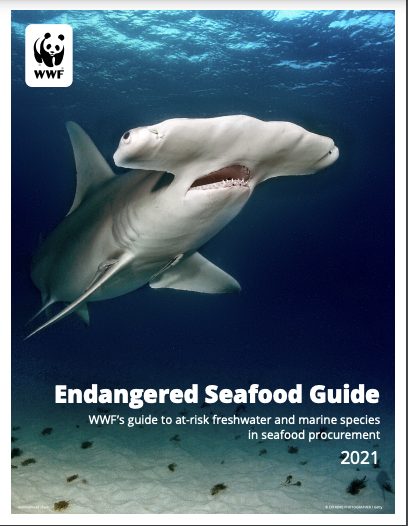
WWF Seafood Selection Guide WWFシーフードセレクションガイド
Whether it is wild-caught or farmed seafood, as long as it can meet our dietary needs without harming the future of the marine ecosystem, it is considered environmentally friendly seafood. The World Wildlife Fund (WWF) has been promoting environmentally friendly seafood and launched the Seafood Selection Guide to encourage the public and the industry to choose environmentally friendly seafood on the green and yellow lists to contribute to the conservation of marine resources.
Red, yellow, green, big and small. There are so many different types of seafood and fish in the wet market, how do you choose right? Check out our video to find tips for your next seafood shopping mission!
Important Notes:
- Do note that weight range provided is before any descaling, de-gutting and cleaning of the fish. The whole fish will belong to you - inclusive of fish bone, fish head, and all the meat!
- Selecting fillet means that we will fillet and portion the fish, and pack them individually. The fish head will be cut in half. We will return you the big bones which can be use to make fish bone broth.
- Selecting steak cut means that we will chop the fish into appropriate size of steaks. The fish head will be cut in half.
Do note that prices are estimated and may be subjected to refunds/top-ups since sizes vary as they are wild-caught.
🥗 Recipe (English Version):
Detailed Recipe for Stuffed Tofu with Shrimp Paste (Hong Kong/Cantonese Home-Style Version)
This dish is simple and easy to make. The shrimp paste is bouncy and the tofu is tender, making it suitable for family dinners or entertaining guests. Common cooking methods include steaming (the healthiest and most original flavor) and pan-frying followed by boiling (crispy on the outside, tender on the inside, with a rich sauce). I will first provide the most recommended steamed stuffed tofu, and then supplement with pan-fried and boiled variations.
Ingredients (Serves 2-4)
Homemade Shrimp Paste: Approx. 250-300g (Refer to previous recipe; if using 500g of shrimp, it can be used in batches)
Firm Tofu/Pressured Tofu (or Japanese Tofu): 2-3 blocks (Approx. 400-600g, choose firmer ones to avoid them falling apart easily)
Shiitake Mushrooms (Optional, for added flavor): 2-3 (soaked and diced)
Water Chestnuts (Optional, for added crunch): 2-3 (diced)
Cornstarch/Potassium Cornstarch: A little (used to coat the inside of holes to help them adhere)
Scallions: As needed (for garnish)
Sauce Ingredients (Steamed Version):
Steamed Fish Soy Sauce or Light soy sauce: 1-2 tablespoons
Hot oil (or sesame oil): 1 teaspoon
Water or chicken broth: a little (to dilute the soy sauce)
Additional sauce for pan-fried version:
Oyster sauce: 1 tablespoon
Light soy sauce: 1 teaspoon
Sugar: 1/2 teaspoon
Water: 150-200ml
Cornstarch slurry: as needed (for thickening)
Minced garlic, ginger slices: a little (for sautéing)
Detailed steps (Steamed stuffed tofu version - simplest recommended)
Prepare the tofu:
Rinse the tofu thoroughly and pat dry with kitchen paper (very important to prevent the shrimp paste from falling apart due to excess water).
Cut each block of tofu into 6-8 equal pieces (approximately 4-5cm square, 2-2.5cm thick).
Use a small spoon or the tip of a knife to gently carve a small indentation in the center of each piece of tofu (approximately 1-1.5cm deep, do not cut through the bottom). The scooped-out tofu crumbs can be finely chopped and mixed into the shrimp paste to increase volume and texture.
Preparing the Indentations: Lightly dust each indentation with a thin layer of cornstarch to help the shrimp paste adhere firmly and prevent it from falling off.
Stuffing the Shrimp Paste: Using two spoons or your hands (dampened slightly to prevent sticking), fill the indentations with the shrimp paste, gently pressing and smoothing it (it can be slightly higher than the surface, as it will shrink after steaming).
If you have diced shiitake mushrooms or water chestnuts, you can mix them into the shrimp paste before stuffing.
Once all are stuffed, arrange them on an oiled or parchment-lined plate.
Steaming: Steam over high heat for 6-8 minutes after the water boils (depending on the amount and thickness of the shrimp paste).
The shrimp paste is cooked when it turns white and becomes elastic. Do not overcook, otherwise the tofu will release water and the shrimp paste will become tough.
Drinking the Sauce: Carefully drain any excess water from the plate after steaming.
Drizzle with steamed fish soy sauce (or light soy sauce with a little hot oil/sesame oil), sprinkle with chopped green onions, and serve. Simple, original flavor best highlights the sweetness and bouncy texture of the shrimp paste.
Total cooking time: Approximately 20-25 minutes (including preparation).
Variation of pan-frying/boiling (common in Hong Kong restaurants, crispy on the outside and rich in sauce)
Steps 1-3 are the same as above.
Heat oil in a wok (medium heat). Place the stuffed side (shrimp paste side down) down and pan-fry for 2-3 minutes until golden brown and crispy. Gently flip and pan-fry the other sides of the tofu for about 1-2 minutes.
Push the tofu aside, sauté minced garlic and ginger slices until fragrant, then add water, oyster sauce, light soy sauce, and sugar. Bring to a boil.
Return the tofu to the wok and simmer over medium heat for 5-8 minutes (the longer it cooks, the more flavorful and tender the tofu will become, but don't overcook it to avoid making the shrimp paste too chewy).
Finally, thicken with a light cornstarch slurry, sprinkle with chopped green onions, and serve. The sauce is incredibly flavorful and goes perfectly with rice!
Tips for success:
Make sure to pat the tofu dry; otherwise, it will release water during steaming, causing the shrimp paste to lose its stickiness.
Do not press too hard when stuffing the tofu with shrimp paste to avoid breaking it.
For a more bouncy texture: refrigerate the shrimp paste for 30 minutes before using.
Healthier version: Steam with less oil; For a more luxurious version: Add a few pieces of fatty pork to the shrimp paste.
Leftover shrimp paste can be used as a hot pot ingredient or shrimp paste porridge.
Safety: Use fresh shrimp and cook thoroughly.
This dish is best made with your own homemade shrimp paste; the texture will be much better than store-bought! You can also use soft tofu/Japanese tofu (smoother but more prone to crumbling), add other stuffing ingredients (green peppers, eggplant, bitter melon), or make a full steamed stuffed tofu style.
エビペースト詰め豆腐の詳しいレシピ(香港/広東風家庭料理)
この料理はシンプルで簡単に作れます。エビペーストは弾力があり、豆腐は柔らかいので、家族の夕食にも、お客様をもてなす際にも最適です。一般的な調理法としては、蒸す(最もヘルシーで、本来の味を再現できます)と、フライパンで焼いてから茹でる(外はカリッと、中は柔らかく、濃厚なソースが絡みます)があります。ここではまず、最もおすすめの蒸し豆腐のレシピをご紹介し、その後、フライパン焼きと茹でた豆腐のバリエーションも併せてご紹介します。
材料(2~4人分)
自家製エビペースト:約エビ 250~300g(前のレシピを参照。500g使う場合は、数回に分けて調理してください。)
固めの豆腐/水切り豆腐(または日本豆腐):2~3丁(約400~600g。崩れにくいように、固めのものを選んでください。)
しいたけ(お好みで、風味付けに):2~3個(水で戻してさいの目に切る)
クワイ(お好みで、食感のアクセントに):2~3個(さいの目に切る)
片栗粉/片栗粉(K-1):少量(穴の内側に塗ってくっつきやすくするために使用)
ネギ:適量(飾り用)
ソースの材料(蒸し料理用):
蒸し魚醤または薄口醤油:大さじ1~2
熱油(またはごま油):小さじ1
水または鶏がらスープ:少量(醤油を薄めるため)
焼きバージョン用追加ソース:
オイスターソース:大さじ1
薄口醤油:小さじ1
砂糖:小さじ1/2
水:150~200ml
水溶き片栗粉:適量(とろみ付け用)
みじん切りニンニク、薄切り生姜:少々(炒め用)
詳しい手順(蒸し豆腐バージョン - 一番簡単なレシピ)
豆腐の準備:
豆腐をよく洗い、キッチンペーパーで水気を拭き取ります(余分な水分でエビペーストが崩れないように、水気をしっかり拭き取ることが非常に重要です)。
豆腐1丁を6~8等分に切ります(約4~5cm角、厚さ2~2.5cm)。
小さめのスプーンか包丁の先を使って、豆腐の中央に軽くくぼみをつけます(深さ約1~1.5cm、底まで切り込まないように)。くり抜いた豆腐のくずは細かく刻み、エビペーストに混ぜ込むと、ボリュームと食感が増します。
くぼみの準備:くぼみに片栗粉を薄くまぶすと、エビペーストがしっかりとくっつき、剥がれ落ちるのを防ぎます。
エビペーストの詰め方:スプーン2本、または(くっつきを防ぐために少し湿らせた)手を使って、くぼみにエビペーストを詰め、軽く押さえて表面を平らにします(蒸すと縮むので、表面より少し高めにしても構いません)。
刻んだ椎茸やクワイがあれば、詰める前にエビペーストに混ぜ込んでも良いでしょう。
すべてに詰め終わったら、油を塗った皿かクッキングシートを敷いた皿に並べます。
蒸し方:沸騰したお湯で6~8分(エビペーストの量と濃度によって調整)強火で蒸します。
エビペーストが白くなり、弾力が出たら火が通っています。蒸しすぎると豆腐から水分が出てエビペーストが固くなってしまうので注意してください。
タレを飲む:蒸し終わったら、皿に残った余分な水分を丁寧に切ります。
蒸し魚醤(または薄口醤油に少量の熱油かごま油を加えたもの)をかけ、刻んだネギを散らして完成です。シンプルで素朴な味付けが、エビペーストの甘みと弾力のある食感を最も引き立てます。
調理時間:約20~25分(準備時間を含む)
焼き/煮込みのバリエーション(香港料理店でよく見られる調理法で、外はカリッと、中は濃厚なソースが絡む)
手順1~3は上記と同じです。
中華鍋に油を熱し(中火)、エビペーストを詰めた面を下にして豆腐を入れ、2~3分、きつね色になるまで焼きます。優しく裏返し、反対側も1~2分焼きます。
豆腐を鍋の端に寄せ、みじん切りにしたニンニクと生姜を香りが立つまで炒め、水、オイスターソース、薄口醤油、砂糖を加えます。沸騰させます。
豆腐を鍋に戻し、中火で5~8分煮込みます(煮込む時間が長いほど豆腐は風味豊かになり、柔らかくなりますが、エビペーストが硬くなりすぎないように煮込みすぎには注意してください)。
最後に、水溶き片栗粉でとろみをつけ、刻んだネギを散らして完成です。このソースは驚くほど風味豊かで、ご飯との相性も抜群です!
成功のコツ:
豆腐は必ず水気をしっかり拭き取ってください。水気を拭き取らないと、蒸す際に水分が出て、エビペーストの粘りが失われてしまいます。
豆腐にエビペーストを詰める際は、豆腐が崩れないように強く押しすぎないようにしてください。
より弾力のある食感にするには、エビペーストを冷蔵庫で30分冷やしてから使用してください。
ヘルシーに仕上げるには、油を少なめにして蒸してください。より贅沢に仕上げるには、エビペーストに脂身の多い豚肉を数切れ加えてください。
余ったエビペーストは、鍋料理の具材やエビペースト粥としてお使いいただけます。
安全上の注意:新鮮なエビを使用し、十分に火を通してください。
この料理は、自家製のエビペーストで作るのが一番です。市販のものよりもずっと美味しい食感になります!また、絹ごし豆腐(より滑らかだが崩れやすい)を使用したり、他の具材(ピーマン、ナス、ゴーヤなど)を加えたり、具材を詰めた蒸し豆腐にすることもできます。
Google Recipe 🔍 :
English CookPad 🍳 :
BBC Good Food 🥙 :
Looking for the freshest seafood in town? Or maybe you want to request something that's not listed on our website? Our Seafood Concierge Service is here to help!
We don't just sell fish, we tailor it according to your needs.
How it Works:
At Healthy Express, we provide customised service to all our customers. You can indicate your specific request during checkout.
For whole fishes, we descale, degut and clean the fish properly before vacuum-packing it.
The following can be done upon request: butterfly your fish / cut the whole fish into steaks/fillets on both sides.
For fillets, we can do the following upon request: de-skin / cut into cubes / small portions for babies.
You can also contact us via WhatsApp to tell us what you're looking for. We'll get back to you with pricing and delivery options. Once you approve, we'll send you a custom order link to complete the payment.
🥘 Seafood Selection Guide 🐠
When choosing seafood, you can refer to the Seafood Selection Guide developed by WWF Hong Kong, which divides seafood into three categories: "Green - First Choice", "Yellow - Second Choice" and "Red - Avoid" to make more environmentally friendly choices. The guide covers more than 70 common seafood species in Hong Kong.
Here are some general guidelines for choosing seafood:
Choose sustainable fishery products:
Prefer seafood that has been certified by the Marine Stewardship Council (MSC), which means that the seafood comes from sustainable fisheries.
Understand the source of seafood:
Try to choose local catches as they have a shorter transportation distance and a lower carbon footprint. Avoid overfished species such as certain large fish and deep-sea fish.
Pay attention to seasonality:
Some seafood has a spawning period, and fishing during the spawning period will affect its population, so try to avoid it. Check the seafood season and choose the right seasonal seafood.
Reduce the consumption of large fish:
Large fish are usually at the top of the food chain, and may accumulate more pollutants in their bodies. It also takes longer to mature and reproduce, so try to reduce their consumption.
Avoid eating endangered species:
Some seafood species have been listed as endangered species, such as humphead wrasse and shark fin, and should be avoided to protect their ecological environment.
Check the farming methods of seafood:
If you choose farmed seafood, you should understand whether its farming methods have an impact on the environment, such as whether drugs or feed are used to pollute the water source.
Reduce the consumption of shark fins:
The fishing of shark fins poses a huge threat to shark populations, and shark fins should be avoided to protect the marine ecology.
In summary, when choosing seafood, the following factors should be considered:
Sustainability: Choose certified sustainable fishery products.
Source: Understand the source of seafood and choose seafood that is locally caught or sustainably farmed.
Seasonality: Choose seafood in season and avoid fishing during the spawning period.
Species: Avoid eating large fish and endangered species.
Farming methods: Understand the way seafood is farmed and choose environmentally friendly farming methods.
Reference

 Low-calorie, lean source of protein