What is the China's Vegetable Basket Project?
The invisible project - the "vegetable basket" project
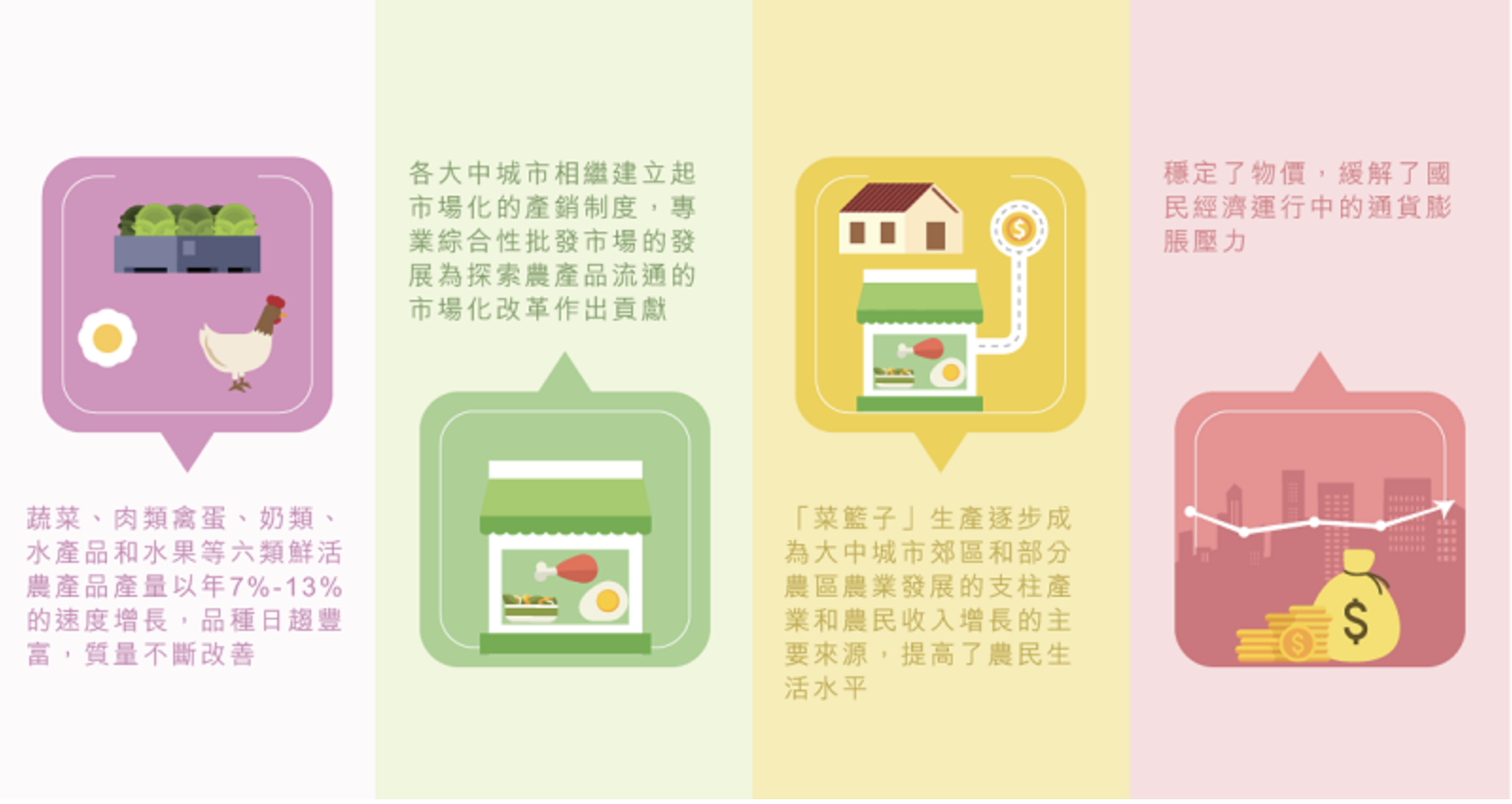
The vegetable basket program refers to not only vegetables, but also the entire non-staple food, especially meat, poultry, eggs and milk. It is a strategic measure proposed by the Ministry of Agriculture of the People's Republic of China in 1988 to alleviate the contradiction of tight supply of domestic non-staple food. By developing production, adjusting the supply structure of non-staple foods and guiding consumption, we will gradually achieve diversification of meat food consumption, increase the supply proportion of coarse grains, high-protein poultry, eggs, milk and fish; and increase the supply of fine vegetables while ensuring the supply of major vegetables.

Any production base recognized as a "vegetable basket production base" 《粵港澳大灣區"菜籃子"生產基地》 in the Guangdong-Hong Kong-Macao Greater Bay Area must be reviewed to ensure that it meets the relevant conditions, has advantages and characteristics in production, and is awarded a certificate by the relevant Agriculture and Rural Affairs Bureau to provide safer, healthier and more delicious food to citizens in surrounding areas.
Completion Status
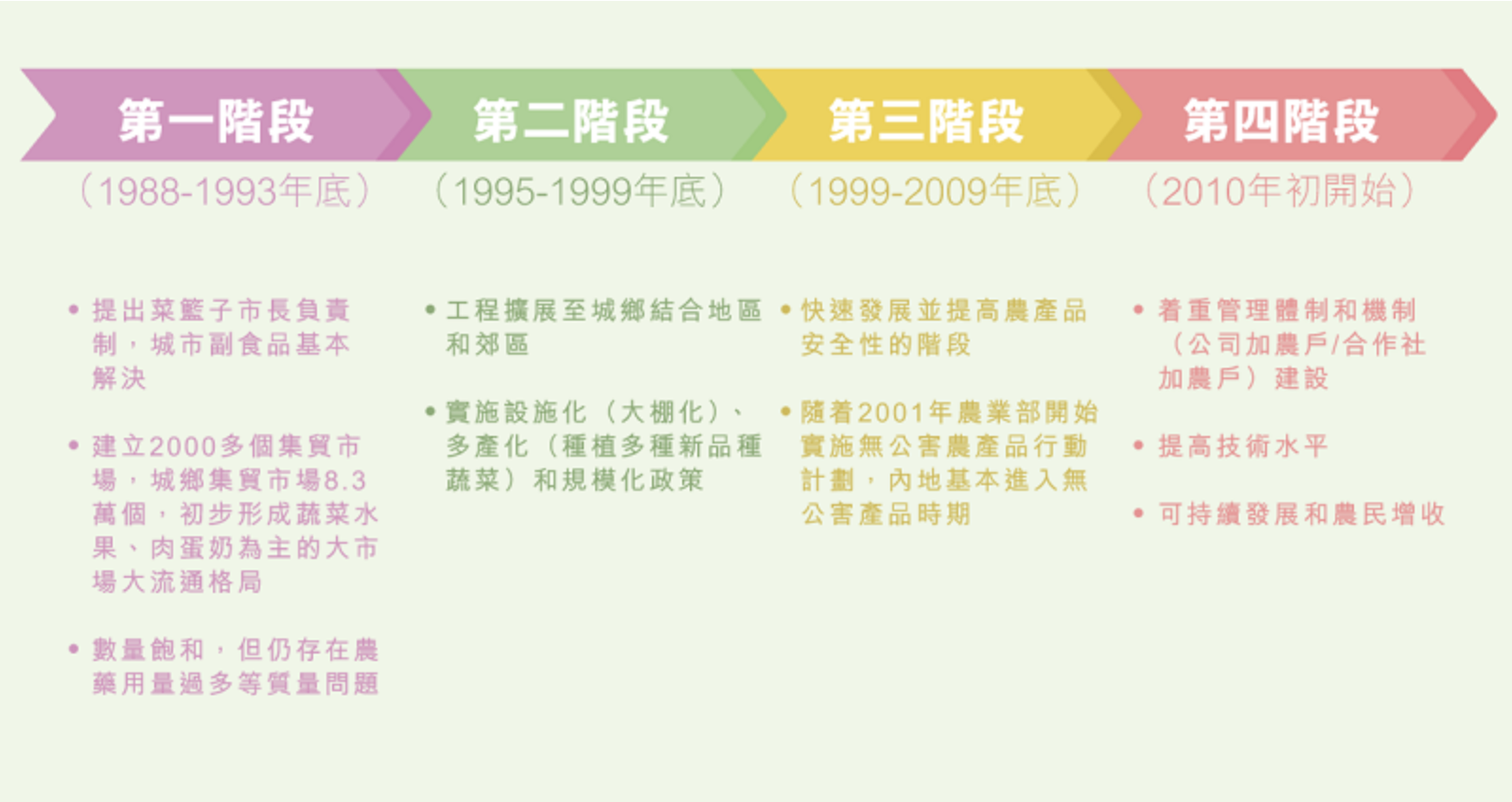
In 1994, the "vegetable basket project" had entered a new stage, from focusing on the construction of production bases to the construction of both production bases and market systems. By the end of the same year, the total meat output in the country reached 44.993 million tons, poultry eggs 14.79 million tons, aquatic products 21.464 million tons, fruit 34.991 million tons, and vegetable area 13,400 acres. A total of 27 provinces and cities across the country have initially established local reserves of major non-staple foods. The focus is on solving the problem of market supply shortage.

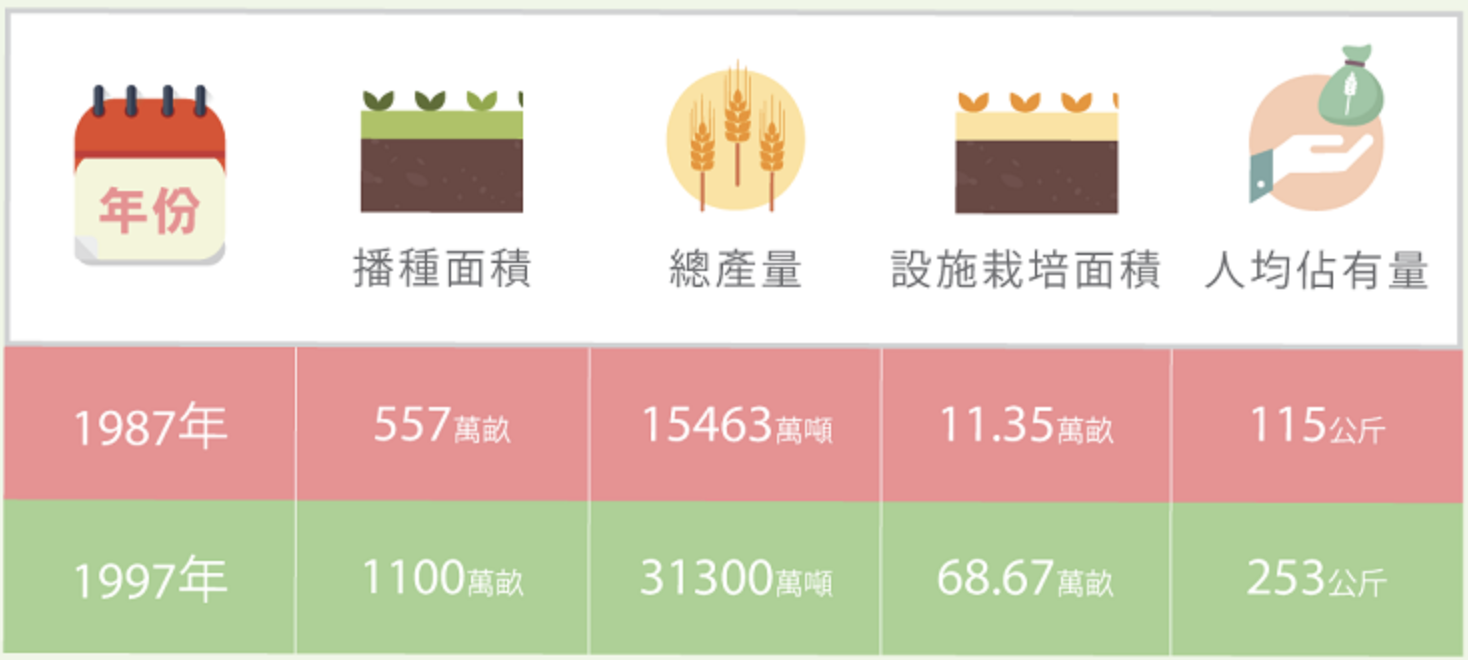
Statistical table of vegetable basket project achievements from 1987 to 1997
In 1999, the 12th National Vegetable Basket Project Production and Marketing System Reform Experience Exchange Conference (全國第十二次菜籃子工程產銷體制改革經驗交流會議) formally proposed that the domestic vegetable basket supply and demand situation has shifted from long-term shortage to basic balance. People no longer sell what they grow or eat what they have, but instead buy whatever they want and eat whatever they want. The vegetable basket project has fully shifted to a stage of quality development.
Since then, the Ministry of Agriculture has implemented the "Pollution-Free Food Action Plan" across the country, focusing on improving the quality of agricultural products and ensuring the safety of agricultural product consumption, and further strengthening the "vegetable basket" hygiene quality and safety testing system. The first decade of the new century has also become a period of pollution-free agricultural products.
In order to solve the problems of declining self-sufficiency of urban "vegetable basket" products and low scale of industrial development caused by the accelerated urbanization process, the Ministry of Agriculture issued the "Guiding Plan for the Construction of a New Round of "Vegetable Basket" Project" in 2012, proposing higher requirements, hoping to achieve the goal of sustainable development of the "vegetable basket" project and promote farmers' income growth by strengthening production, circulation, quality, regulation and other capacity building. By 2015, the quality and safety traceability system for "vegetable basket" products was basically established, and the monitoring pass rate of major "vegetable basket" products remained stable at above 96%.

The Ministry of Agriculture of China implements the plan for the development of vegetables
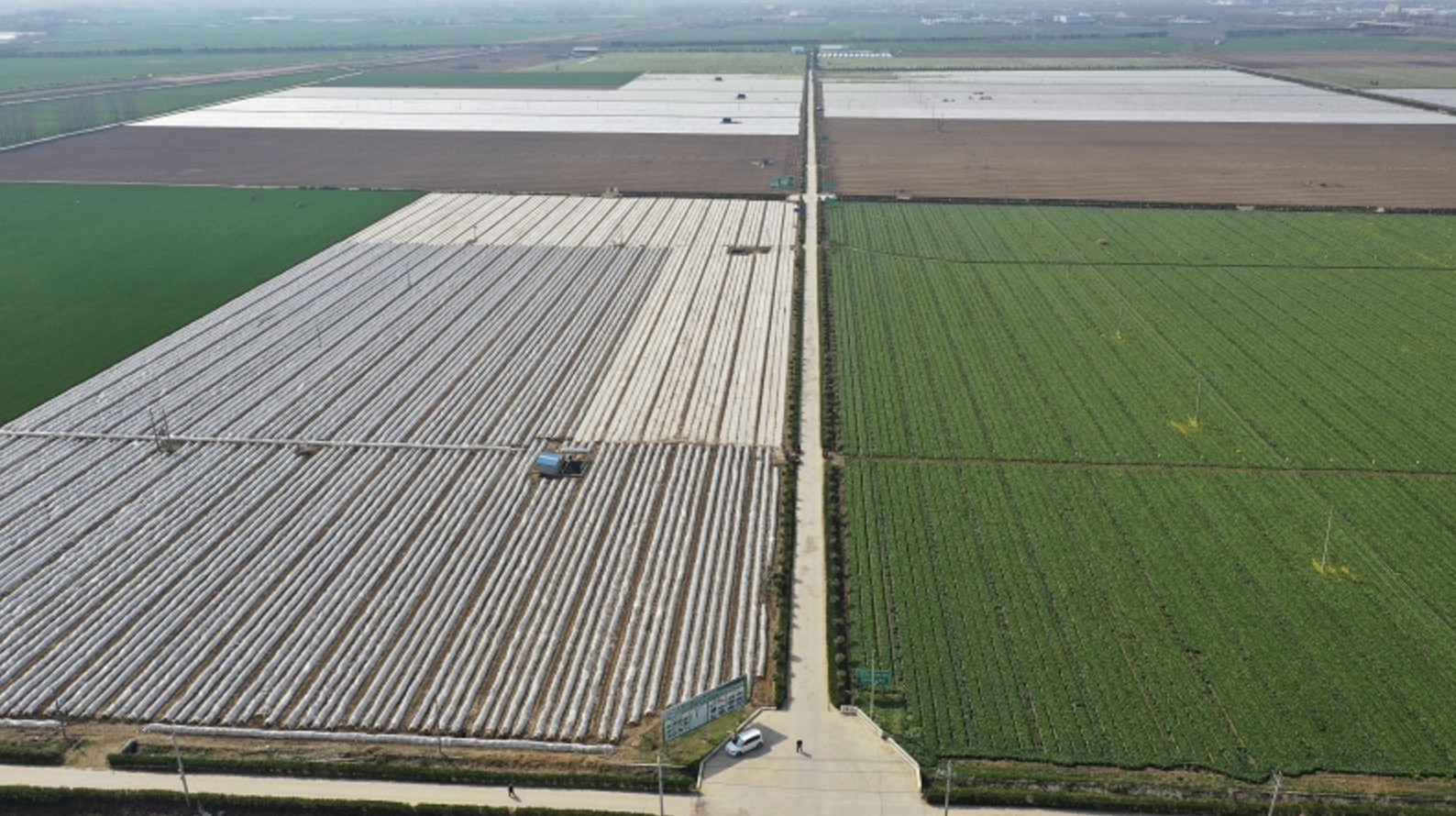
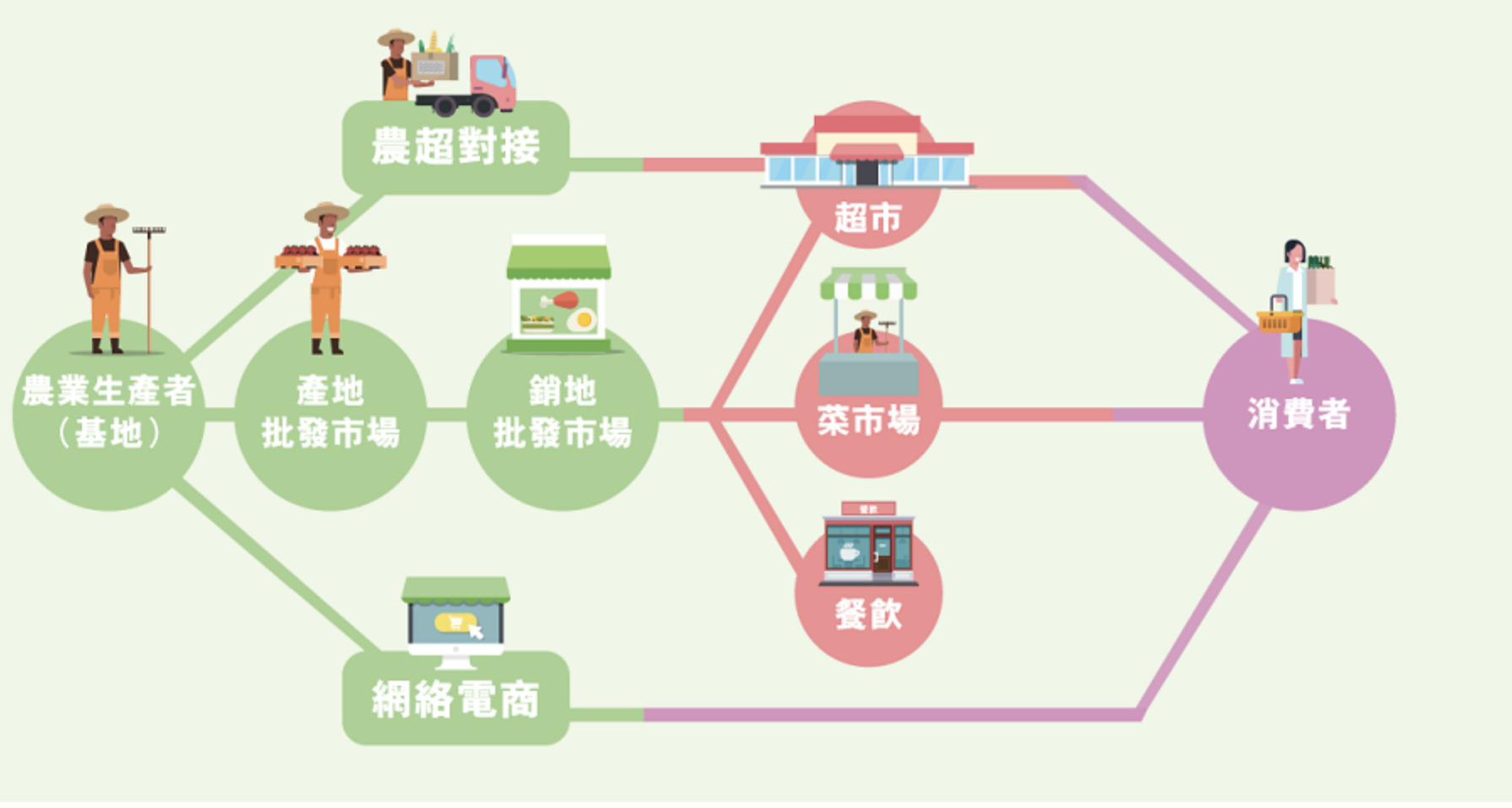
The construction of the vegetable basket project regards the production, supply and marketing of non-staple food as a whole, and makes unified planning from the aspects of policy, technology and funds. Through the construction of production and circulation infrastructure, it has greatly improved the supply capacity of non-staple food and produced good social benefits. The reason why it is called the "vegetable basket" project is because it is a systematic project involving multiple industries, departments and links. In addition to the production base at the source, the entire "vegetable basket" industry chain also includes wholesale markets, testing systems, logistics distribution, and terminal outlets.


The reason why it is called the "vegetable basket" project is because it is a systematic project involving multiple industries, departments, and links.
In order to ensure the transportation of agricultural products, the state has opened a green channel for fresh vegetables, fruits, aquatic products, poultry, livestock and their meat products that are closely related to people's livelihood in various parts of China - the Green Channel for the Transportation of Fresh Agricultural Products, referred to as the "Green Channel". Special lanes will be set up at toll stations, and preferential policies such as "no vehicle detention, no unloading, no fines" and toll reduction will be given to vehicles legally transporting fresh agricultural products. Since December 2010, the green channel has been expanded to all toll roads across the country, and the types of exemptions and reductions have been further increased.
However, due to the characteristics of fresh agricultural products such as easy to rot and spoil, difficult to transport, and greatly affected by external factors such as weather, although the "vegetable basket" is no longer in short supply, the prices of some commodities still often experience "roller coaster" fluctuations, and problems such as "difficulty in selling vegetables" for farmers and "expensive vegetables for residents" also often occur. At the same time, in response to the increasing demands of urban and rural residents for the nutrition and safety of agricultural products, China has gradually strengthened the connection between production and marketing, improved the technical service system, and used modern logistics and informatization to promote the construction of the market system, all of which have posed new challenges to the "vegetable basket" project.

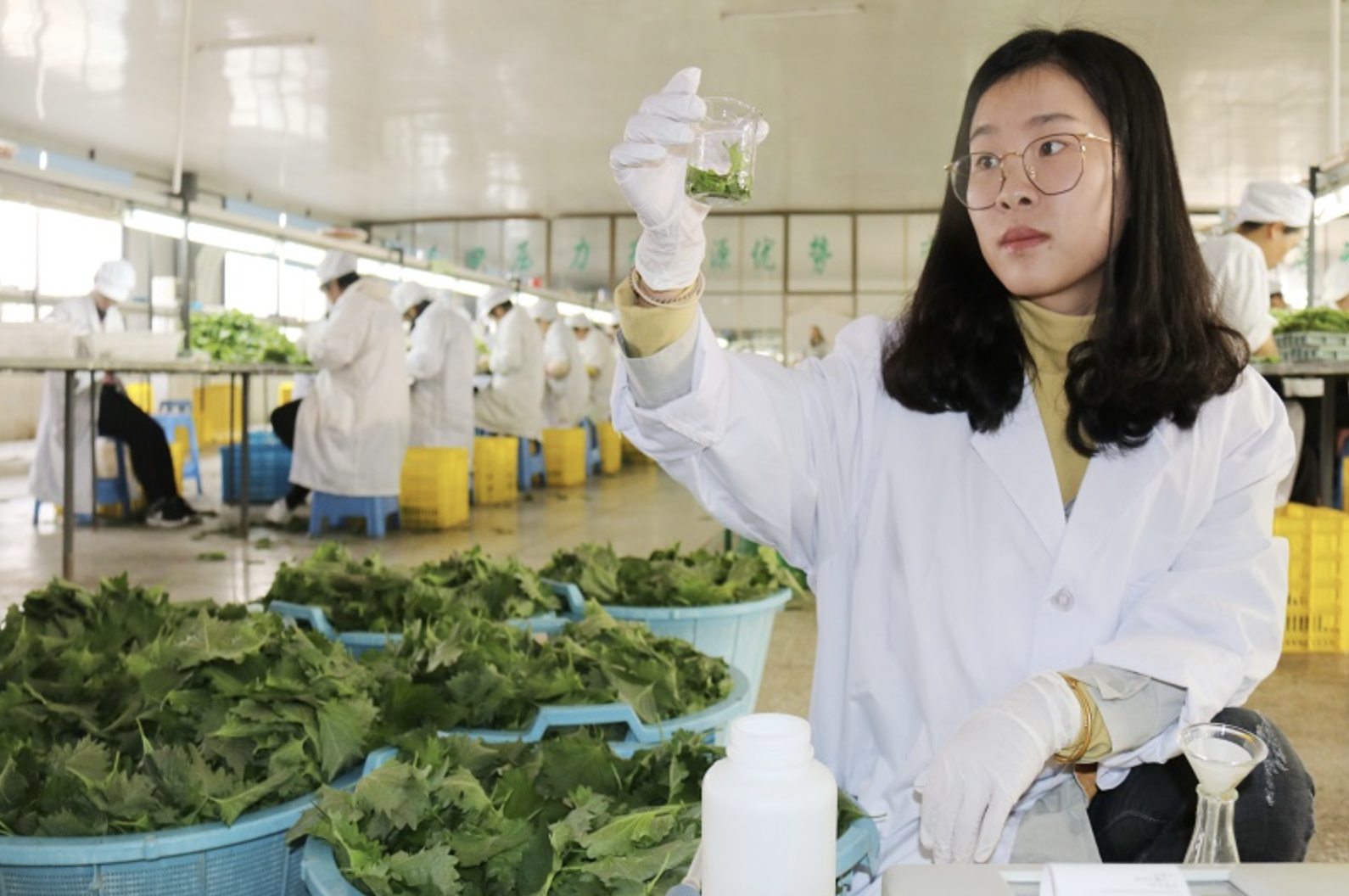
Inspectors are conducting safety tests on agricultural products that are about to be put on the market
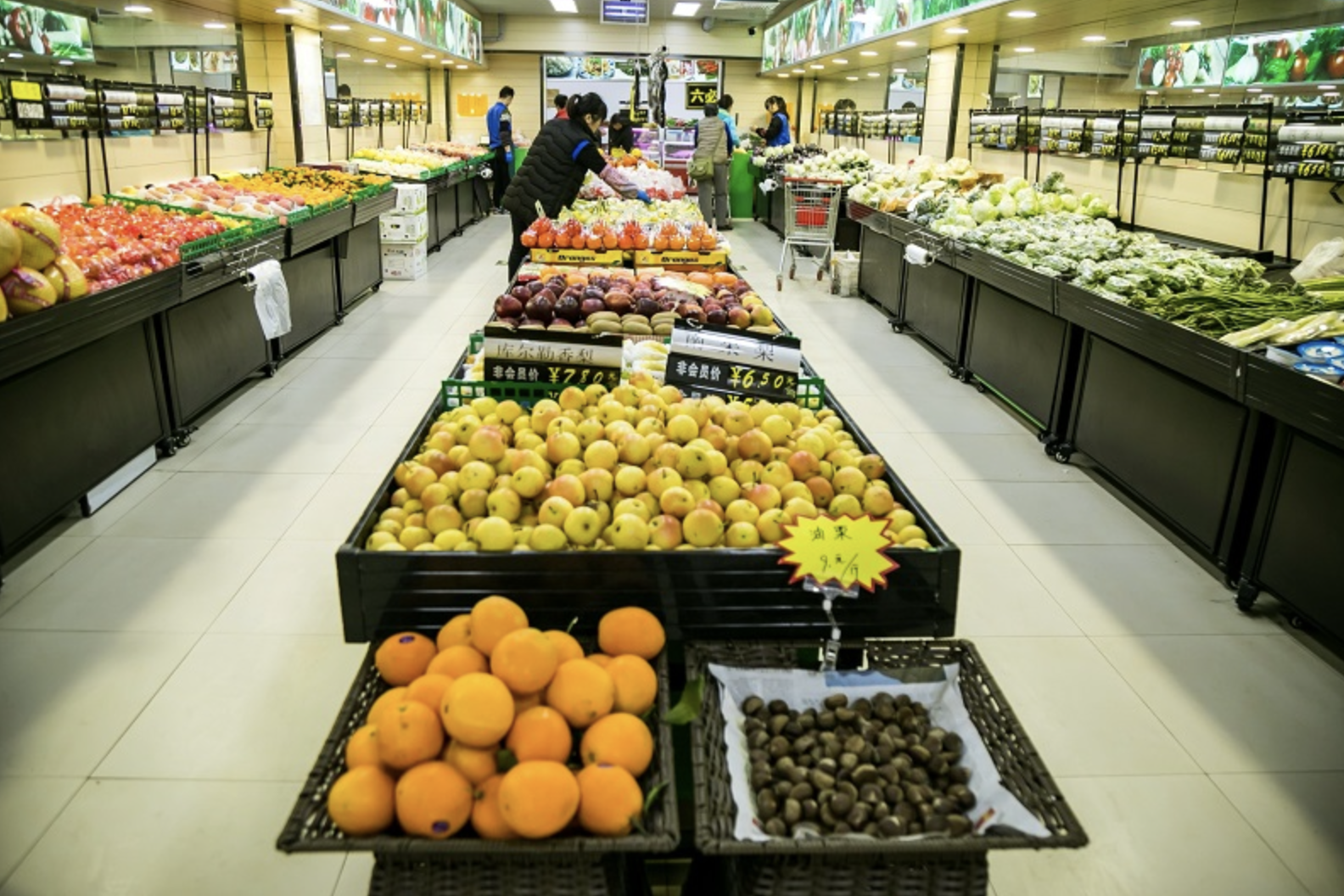
With the rapid development of e-commerce, major supermarkets, online shopping, HKTVmall, JD.com, Suning, Alibaba and other online e-commerce companies have launched fresh food delivery services in recent years to meet the needs of modern life and make consumers' "vegetable baskets" richer and fresher. The emergence of wholesale markets for agricultural and sideline products, vegetable departments in supermarkets, high-quality vegetable departments of the Vegetable Marketing Organization, and "new retail" online shopping represented by "Feed Your Health" not only meets consumers' pursuit of product quality under consumption upgrades, but also solves the problem of the last mile of the "vegetable basket project", greatly facilitating the lives of citizens. In addition, online shopping platforms have opened special areas for specialty agricultural products to promote the sales of high-quality agricultural products, and the rise of online live streaming has opened up new channels for sales.
Healthy Express is a unique local online shopping platform. It cooperates with more than 30 local farms and importers to provide more than 1,500 kinds of goods, including fruits and vegetables, meat, seafood, poultry and eggs, etc. We offer local, organic, sustainable options. We use a fair trade price to purchase directly from farmers. The pricing enables producers and consumers to have a sustainable relationship, and the three parties benefit the most.