 |  |  |  |  |  |  |  |  |  |  |  |
| Grilling | Indirect Grilling | Smoking | Broiling | Oven Roasting | Skillet-To-Oven | Skillet Cooking | Stir-Fry | Braising | Stewing | Sous Vide | Pressure Cooking |
Basics
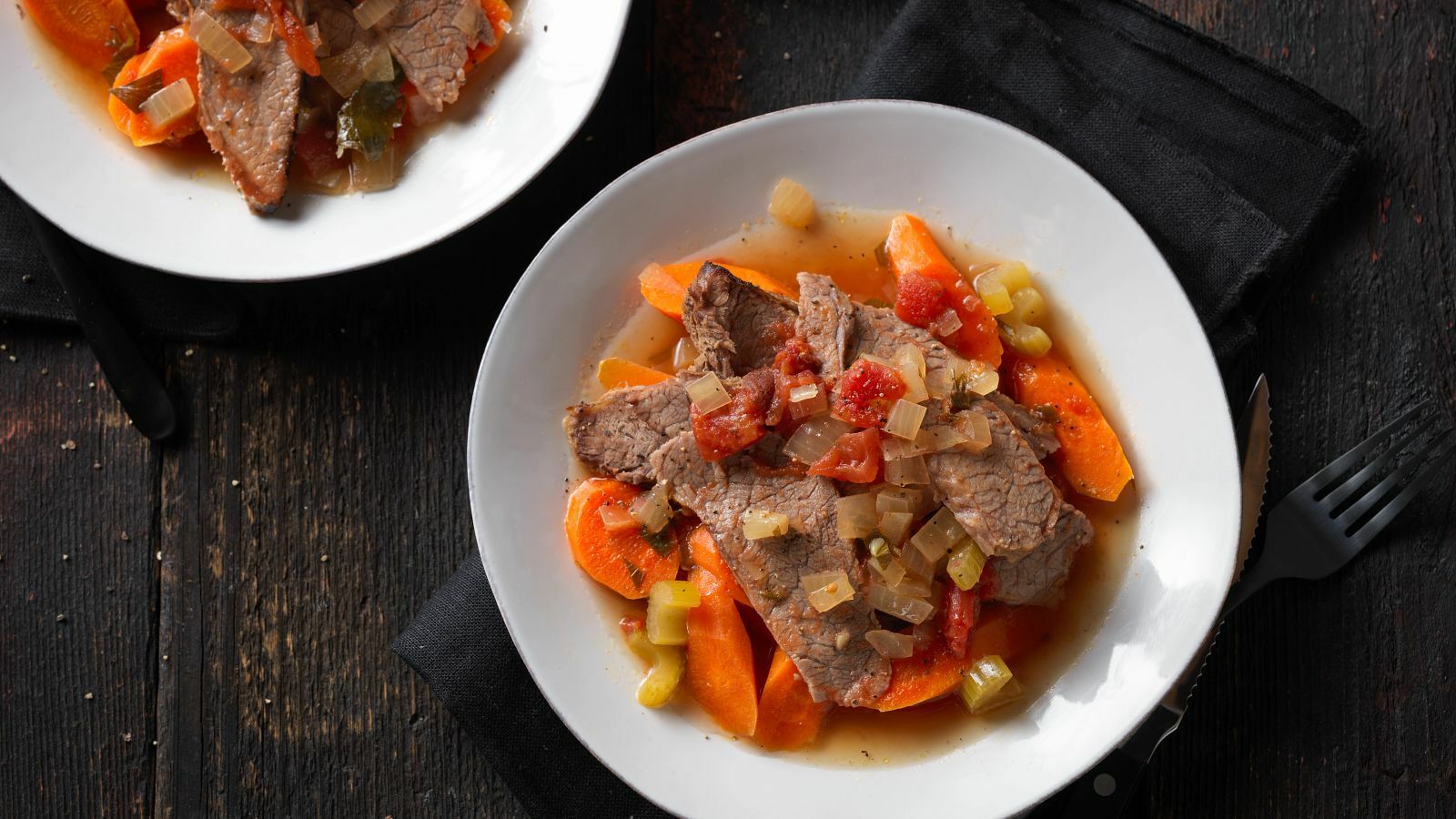
The beauty of braising is how it turns less-tender cuts into rich, fork-tender dishes. The key is to cook the beef in liquid over low heat for several hours. Check out our braising guidelines for more cooking time information.
PREHEAT & PREP
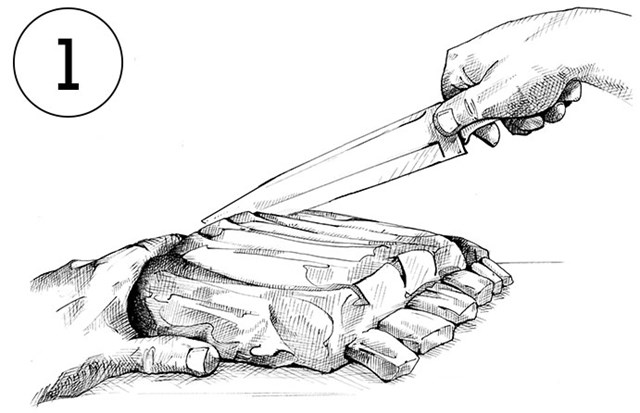
Braising can be done on your stovetop, in a slow cooker or in the oven, depending on your recipe. Before you start preparing the beef, be sure to pat it dry with paper towels. This helps it brown more evenly. If your recipe calls for a spice rub or seasoning mix, now's the time to sprinkle it on. Salt and pepper works great, too. It also helps to chop now any vegetables you'll be using later.
BROWN THE beef
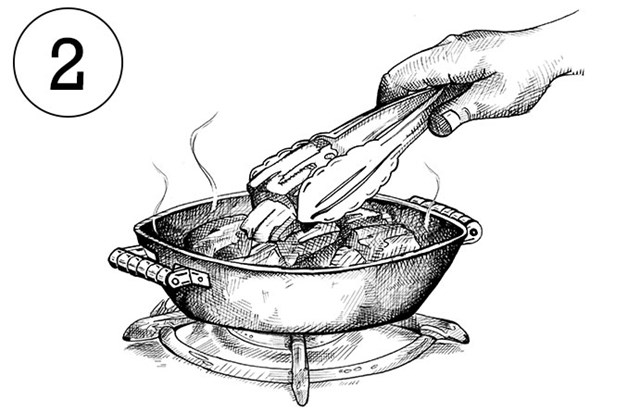
Most braising recipes call for browning the beef on all sides, usually over medium heat, until it develops a rich brown color.
SAUTÉ THE VEGETABLES
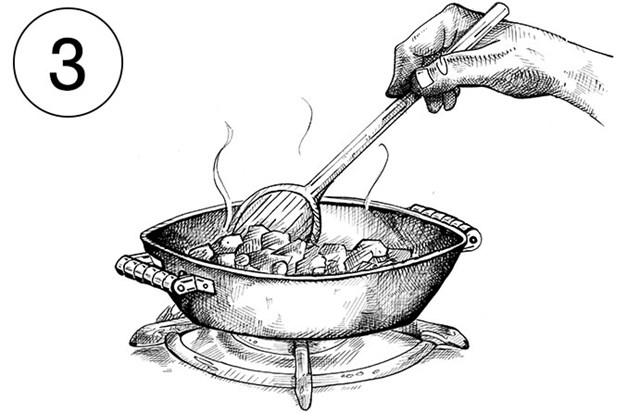
Most braising recipes include a variety of chopped vegetables, such as carrots, celery, onions and garlic. Chefs call these aromatics, and you're about to find out why (your kitchen will soon smell amazing). Add them to a pan and sauté until they begin to soften. If your recipe doesn't call for vegetables, it's OK to skip this step.
SAVE THE FLAVOR
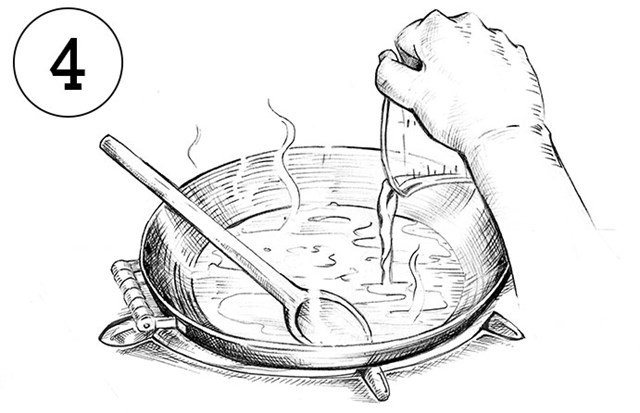
See those brown bits clinging to the bottom of the pan? They're chock full of flavor. When your aromatics have softened and the pan is still hot, slowly add some liquid—such as beef broth, cooking wine, juices or even water—and scrape up the bits with a wooden spoon or heat-resistant rubber spatula. This technique is called deglazing, and it adds delicious flavor to your dish.
ALL TOGETHER NOW
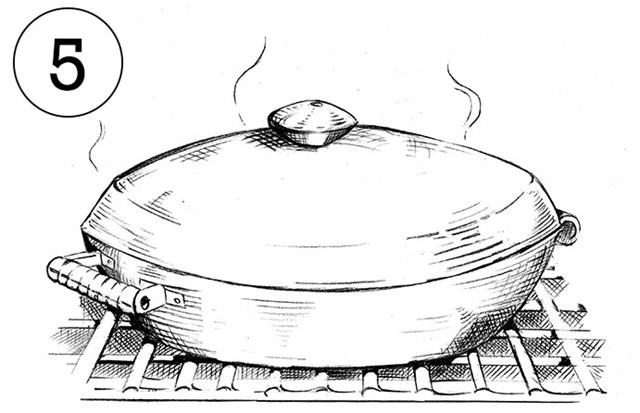
Carefully return the beef to the pan or slow cooker. Depending on your recipe, now's the time to add more liquid, such as the beef broth or wine you used for deglazing. Then turn down the heat per your recipe, cover it with a tight-fitting lid and let that moist heat work its magic.
FINISHING TOUCHES
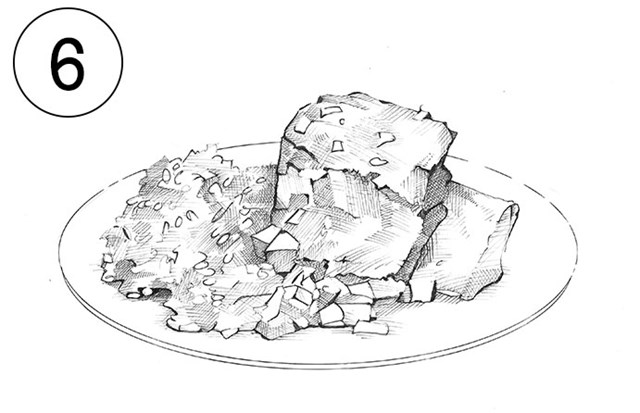
You'll know it's done when the beef is fork-tender. Some braising recipes can go straight from the stovetop, slow cooker or oven to your table. Or you can remove the beef and vegetables, strain the liquid, and combine it with a roux to make a great sauce.
Chef Tips
Recipe
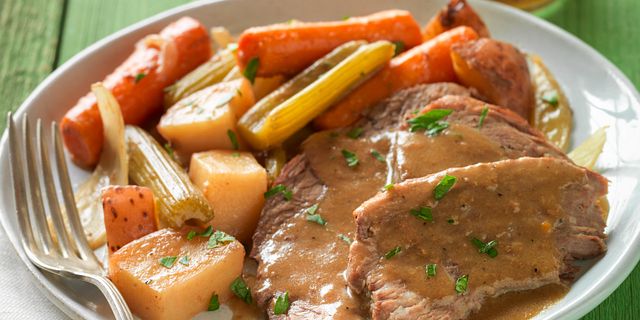
A Bottom Round Roast (or Round Rump) makes this meal affordable, the packaged gravy mix makes it easy to prep, and all those hours in a slow cooker make it fall-apart tender.
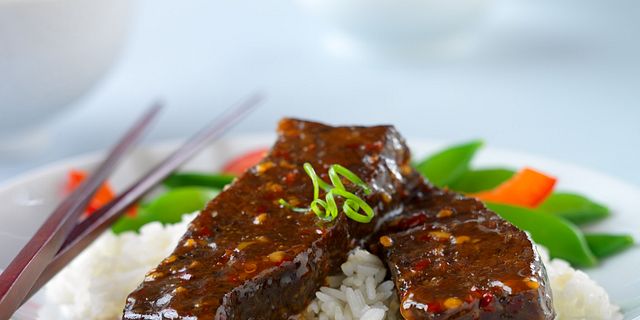
The right balance of sweet and spicy, these Asian beef ribs, using Country Style Ribs, garlic sauce, ginger and honey, will be sure to take your taste buds on a journey.
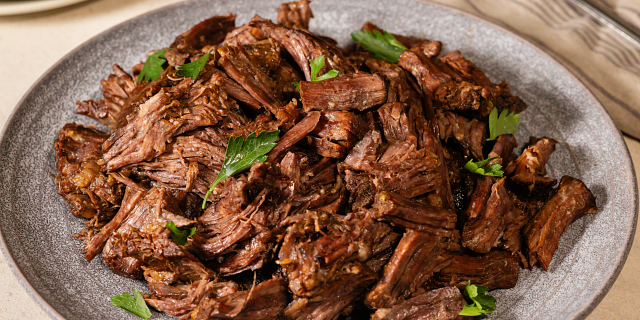
Got a hankering for delicious shredded beef? Try one of these four recipe varieties, sure to please any crowd.
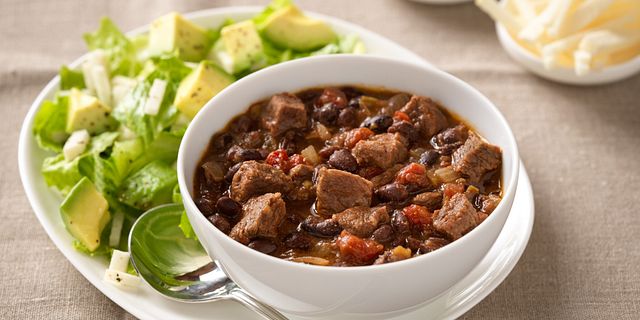
This super-simple hearty chili will warm you up combining beef, black beans, onions, salsa and Tex-Mex spices.


