 |  |  |  |  |  |  |  |  |  |  |  |
| 燒烤 | 間接燒烤 | 煙燻 | 炙烤 | 烤箱烘烤 | 煎鍋到烤箱 | 煎鍋烹飪 | 炒 | 燴 | 燉 | 低溫烹調 | 壓力煲 |
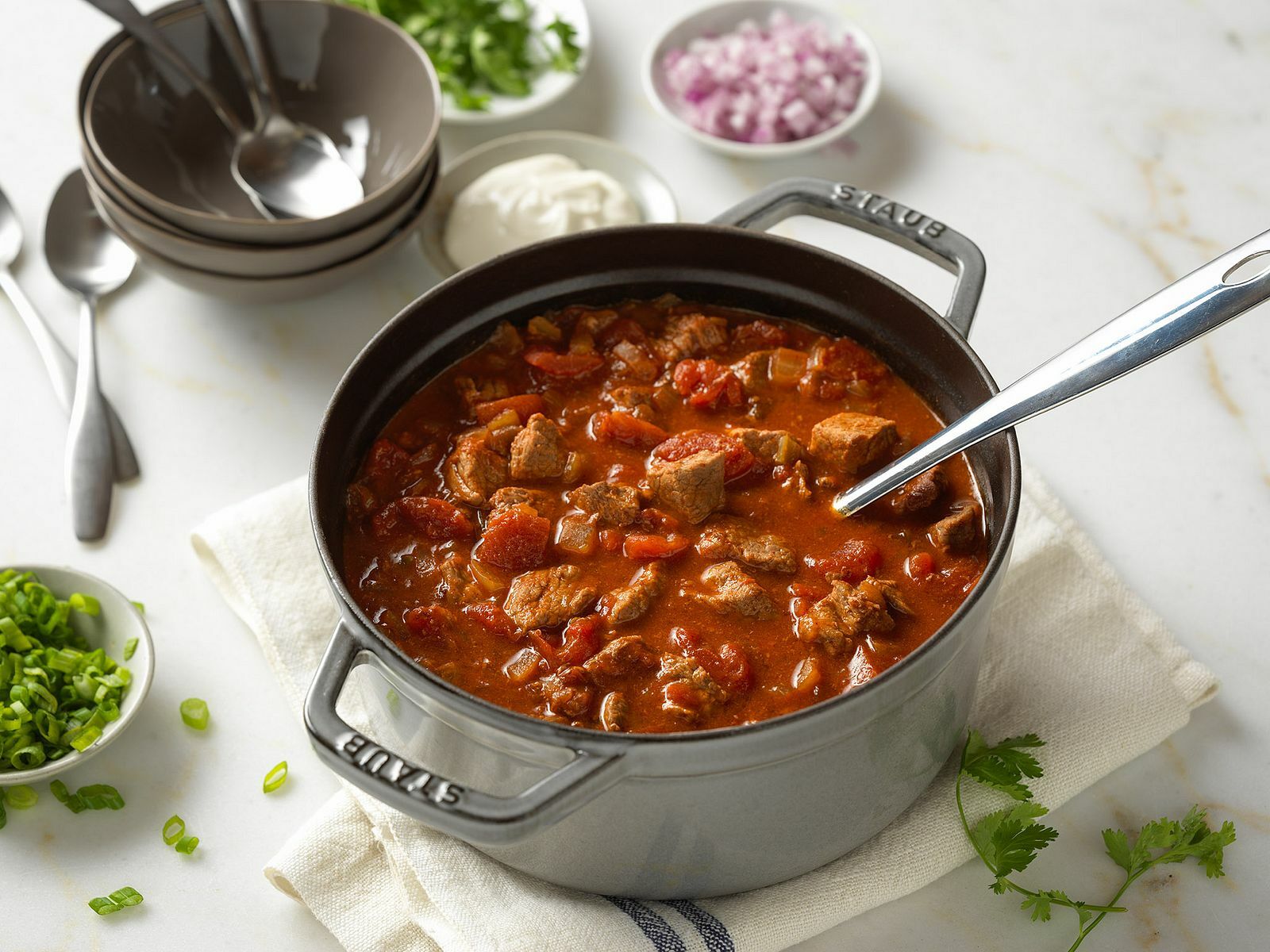
想知道烤牛排或燉烤肉的最佳方法嗎?想知道如何烹調美味的炒菜或如何完美地將碎牛肉煎成棕色嗎?我們的資訊內容包含您所需的一切!透過逐步的指導、嘗試的食譜以及購買所需食材,您將在晚餐時間可以一展所長。
重新發現壓力鍋如何能夠在燉煮或慢煮所需時間的一小部分內提供叉子般柔軟的口感。
基本知識
由於新型可程式電動模型的流行,忙碌的家庭廚師重新發現壓力鍋如何在燉煮或慢煮所需時間的一小部分內提供叉子般柔軟的口感。與往常一樣,請仔細遵循製造商的安全操作建議。
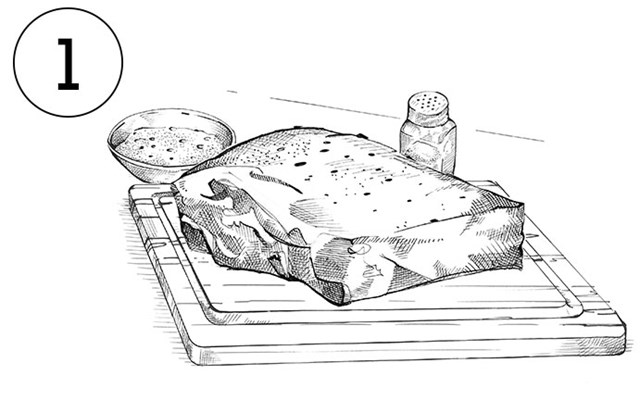
涵蓋基礎知識
仔細檢查以確保壓力鍋上的墊圈清潔且無裂紋,且通風管沒有堵塞。請記住,壓力鍋需要最少量的液體和最多量的食物才能正常運作。根據型號和食譜,您的壓力鍋可能需要長達 20 分鐘才能產生壓力。
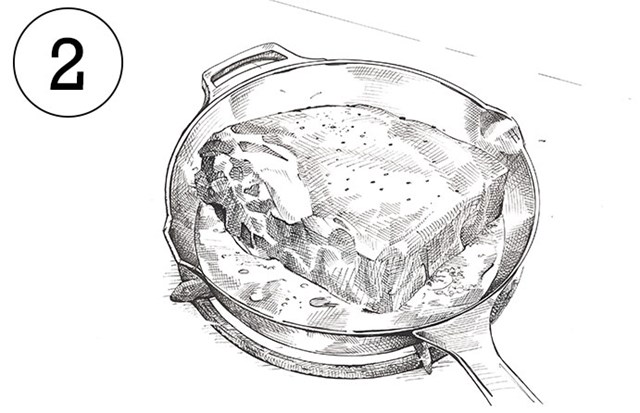
棕色和 DEglaze
許多現代壓力鍋都有“煎焦”設置,但您始終可以在爐灶上快速煎一下牛肉。為了增加風味,可以在熱鍋中加入少量液體(例如牛肉湯、葡萄酒、果汁甚至水),然後刮掉黏在鍋底的硬皮,再將其轉移到高壓鍋中。
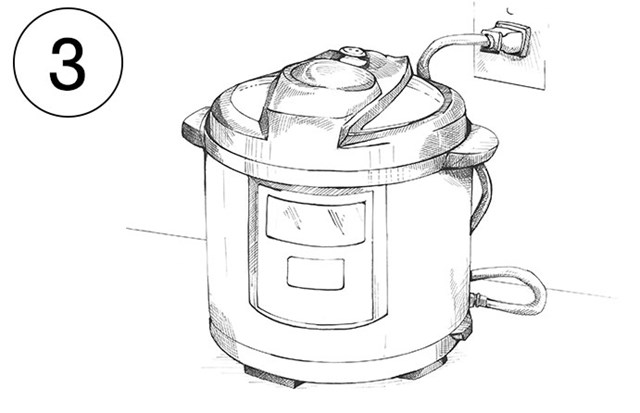
設定並忘記
遵循食譜指南並相信計時器。請記住,大多數壓力鍋都具有安全功能,可防止內容物在壓力下打開蓋子。
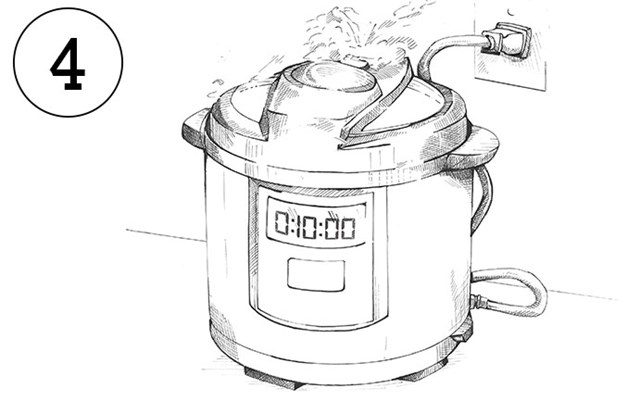
釋放壓力
壓力鍋洩壓有兩種方法:快速洩壓和自然洩壓。快速釋放法是手動打開壓力釋放閥,而自然釋放法是關閉熱量並讓壓力自行下降。為了獲得最佳效果,我們建議讓壓力自然釋放。請務必參閱使用手冊以取得具體說明。
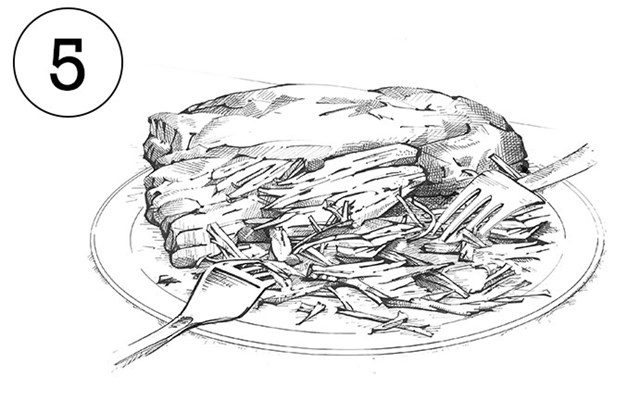
服務和品嚐
許多壓力鍋食譜都是一鍋飯,可以直接上桌,而有些食譜則製作可用於其他食譜的食材。無論哪種方式,只要您遵循準備和安全操作指南,您一定會得到一道美味的菜餚。
廚師小貼士
用廚房毛巾蓋住壓力鍋上的壓力釋放閥,以免蒸氣燙傷。
食譜
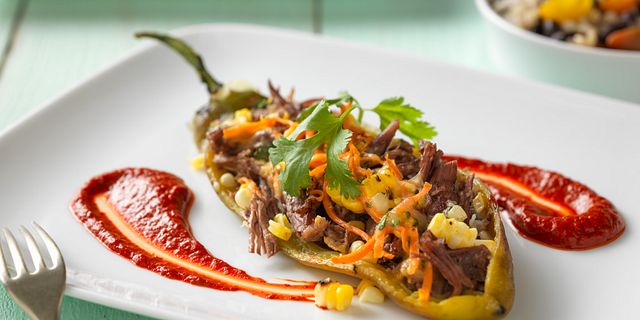
切碎的牛肉將這道墨西哥美食變成了您飢餓的家人的一頓大餐。乾辣椒醬增添了色彩和濃鬱的煙燻味。
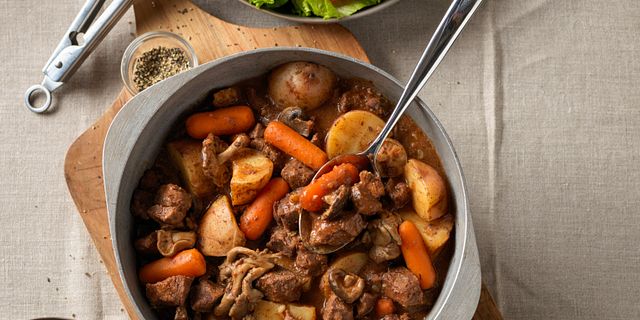
這道豐盛的燉菜以嫩牛肉塊、馬鈴薯、大蒜、各種蘑菇和胡蘿蔔為特色。
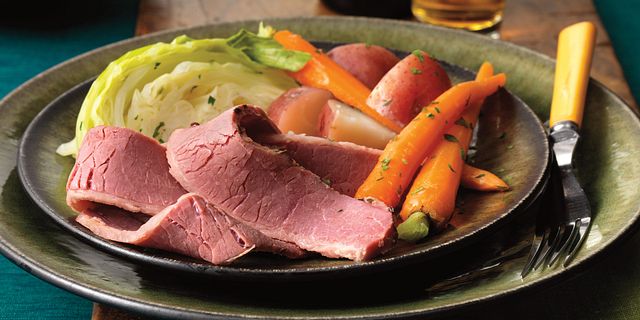
讓您的慢燉鍋完成這頓完整的大餐:用啤酒燉鹹牛肉、新鮮捲心菜和紅薯。這是您下次慶祝時享用的美味佳餚。
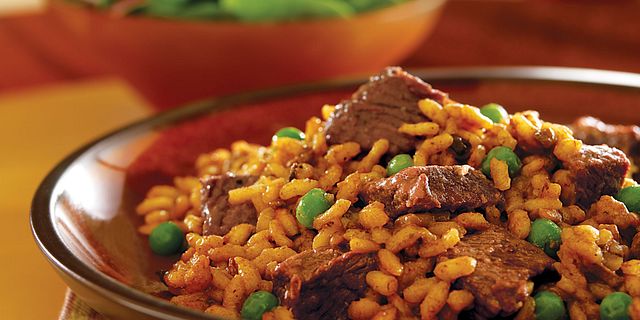
誰不喜歡簡單的一鍋飯呢?用湯鍋慢慢燉肉,然後加入一包義大利調味飯混合物、冷凍豌豆和少許帕瑪森起司。


