Description
🚚 The fastest delivery time : 2-day delivery.
🐝 Supplier / Origin : Legal Food Processing, Kwai Chung
🔖 Certification : --
🌱 Producer introduction :
The boss has always loved food. Seeing that aged steak has become very popular in Korea in the past two or three years, he opened a research workshop in Tsuen Wan and spent three years researching and creating a flavor that would please Hong Kong people.
🛍 Product Information :
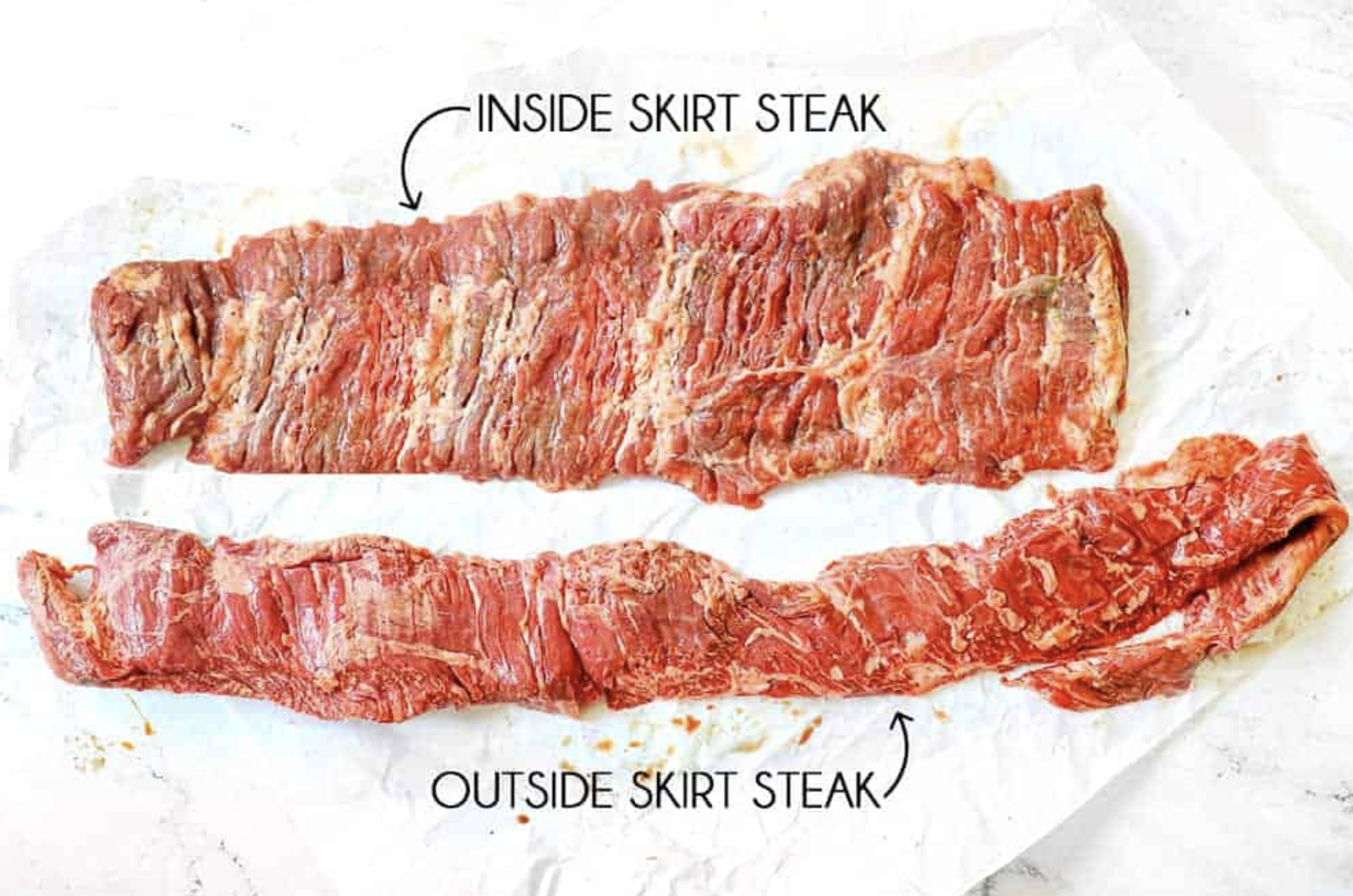
Inside Skirt
Also Known As: Arrachera; Fajita Meat; Fajita Steak; Skirt Steak
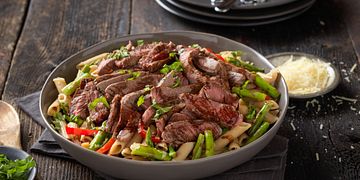
Opposite the Outside Skirt Steak, this cut is known for its robust flavor profile. Marinate and grill hot for fajitas or use for stir-fry.
Inside Skirt is a very special and rare cut of beef, derived from the diaphragm (near the boundary between the abdominal and thoracic cavities). Only about 2kg can be extracted from a single cow, making it a "hidden gem"!
Characteristics
English Name: Inside Skirt (also called inner skirt meat or inner diaphragm).
Appearance: Long and flat, resembling a "skirt" covering the inside of the cow's abdominal wall.
Texture: The muscle fibers are slightly coarse but loose, tender yet with a moderate chewiness, springy but not dry.
Marbling: Abundant but not greasy; the fat melts during chewing, bringing a very rich beef flavor (especially intense due to its proximity to the flank).
Deliciousness: 5-7 minutes (medium-rare) is ideal, retaining juiciness and chewiness; too rare and it will be tough, too well-done and it will be dry.
Why is it so popular? Inner skirt meat is incredibly common in Japanese yakiniku, Korean BBQ, and Mexican cuisine (like Fajitas), making it a "star cut" at barbecue restaurants. While not as tender as filet mignon, it boasts a rich beef flavor, excellent value, and you'll want to come back for more!
Recommended Cooking Methods
Grilling/Teppanyaki (Classic)
Marinate first (Recommended: minced garlic, light soy sauce, black pepper, olive oil, a little honey or rice wine, marinate for 30 minutes to 1 hour).
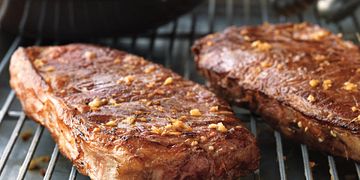
Season at high heat for 2-3 minutes per side, to medium-rare (5-7/10).
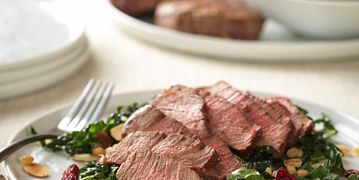
Let rest for 5 minutes, then slice against the grain (perpendicular to the muscle fibers) for an instantly tender texture!
Serve with scallions, chili peppers, or tortillas—super delicious!
Stir-fry (Chinese Home-Style)
Slice thinly, marinate, then stir-fry with green bell peppers, onions, and garlic. Add oyster sauce or black pepper sauce.
Because of its coarse fibers, it's best stir-fried at high heat to retain its chewiness and flavor.
Cook the whole steak like a hamburger. Sprinkle with salt and pepper, sear at high heat until golden brown on the outside and pink inside.
Suitable for those who love a meaty texture!
Common Comparisons (The Three Musketeers of Fajitas)
Body Thickness/Width Texture Characteristics Price Recommended Dishes Hamburger (Hanger): Thickest, most tender, richest flavor, melts in your mouth, most expensive steak, hot pot Outside Skirt (Medium marbling, juicy, medium-weight), grilled Fajitas (Inside Skirt): Thinner, wider, tender yet chewy, strongest flavor, flattest, roasted, stir-fry
Purchase Tips
Australian/New Zealand beef inside skirt (import permitted) is commonly found in supermarkets or butcher shops.
When choosing, look for a bright red color and even marbling. Ask the butcher to remove the surface membrane.
It will turn black after thawing (normal oxidation), but this does not affect the taste.
🥩 Parts of Beef
🥩 牛的部位
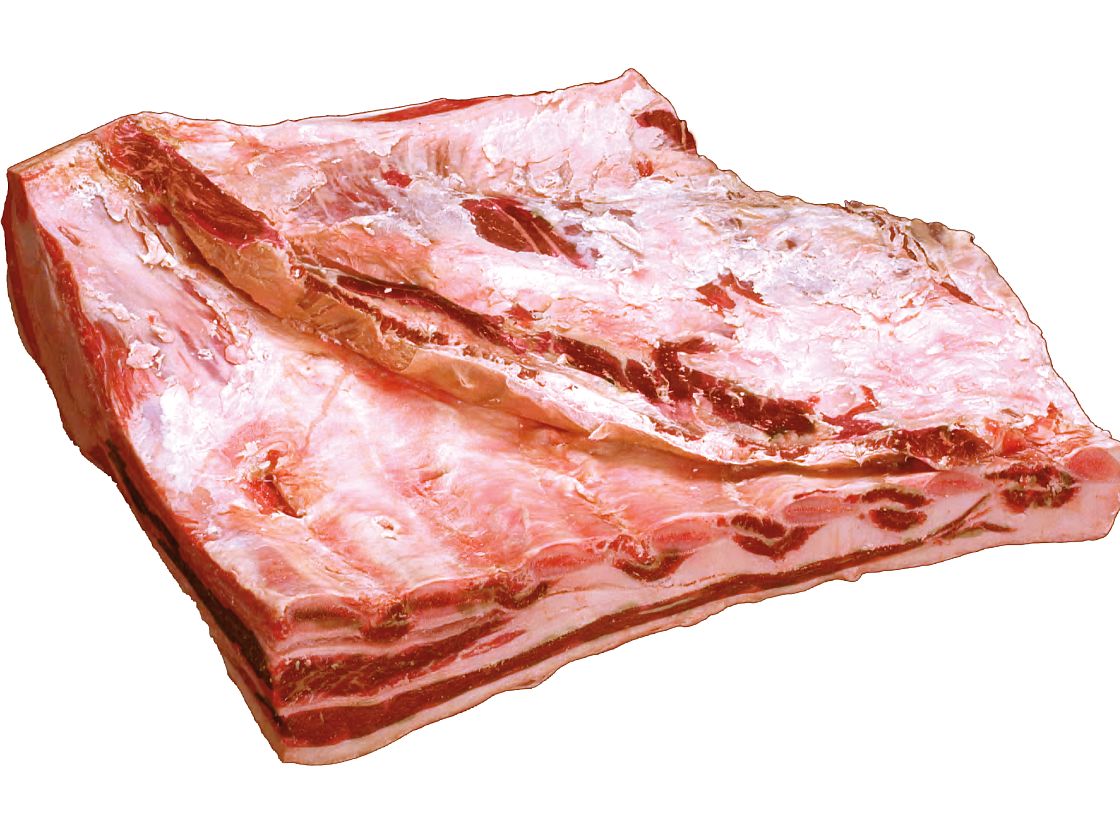
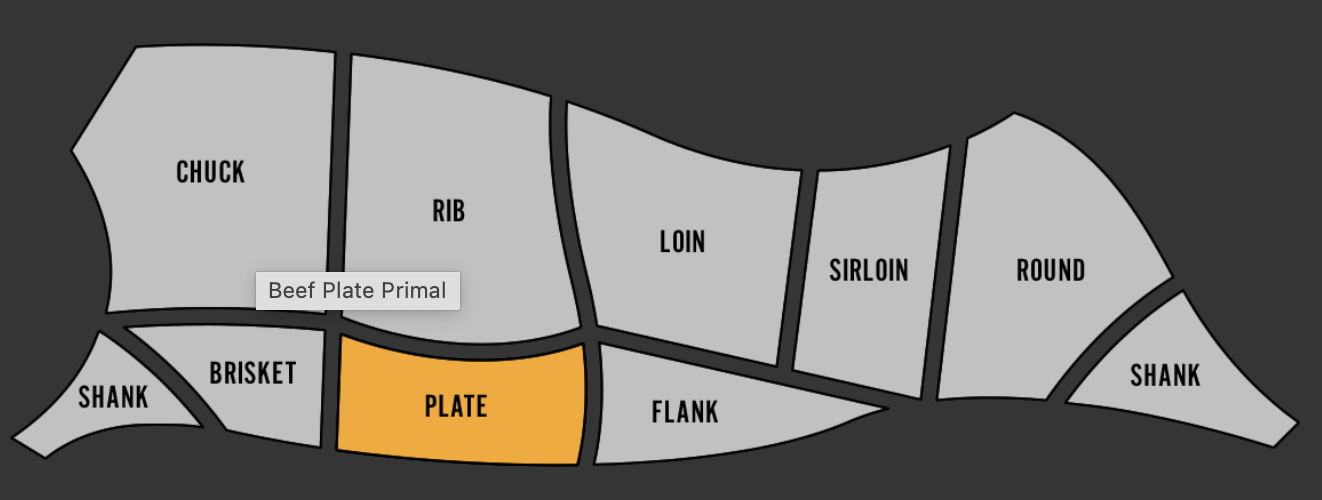
Short Plate Primal
The section right under the rib primal with a higher fat content. The Short Plate is a source of Short Ribs and Ground Beef. It's also the home of the Skirt Steak—a thin, flavorful cut that's best when marinated and seared over high heat.
Chinese and English name
- 肩胛 Chuck
- 肋脊 Rib
- 腰脊 Loin
- 西冷 Sirloin
- 前胸 Brisket
- 胸腹 Plate
- 腹脇 Flank
- 腱子 Shank
- 臀腿 Hip&Round
Basically, beef parts are divided into eight major parts. According to the "US Export Beef Cuts Chart", they are divided into "Chunk", "Ribs", "Loin", "Brisket", "Plate", "Flank", "tendon | Shank", and "Hit Round |buttocks". The price, use, and taste of each part of beef are very different. "Frosted", "marbled", "under the feathers"... These are all aliases to describe meat. It is easy to confuse the names when there are too many aliases in the market. For example, the term "sirloin" refers to the sirloin (rib eye) in the ribs of Taiwanese people, but the back loin is also called sirloin, and there is a part on the lower shoulder called sirloin heart. If you don't understand the parts of beef and learn to identify the differences, you may spend money thinking you have bought high-priced beef, but you don't know that you have only bought low-priced meat, just because they are all called "marbled", "frost", and "sirloin".
Explore Our Cut Collections
Whether you're looking for a lean cut for a weeknight family dinner or a large, tender cut for your holiday roast, our cut collections will provide you with everything you need to choose the perfect cut next time you're at the meat case.
We will wrap up the steaks individually!
ColdMeatInc is your Chill Meat Refrigerator. We Take Good Care of your Meats.
Frequently asked questions about beef nutrition
We all know beef tastes great – but did you know that beef can be good for you, too? Check out some answers to your most pressing questions when it comes to beef and your health.
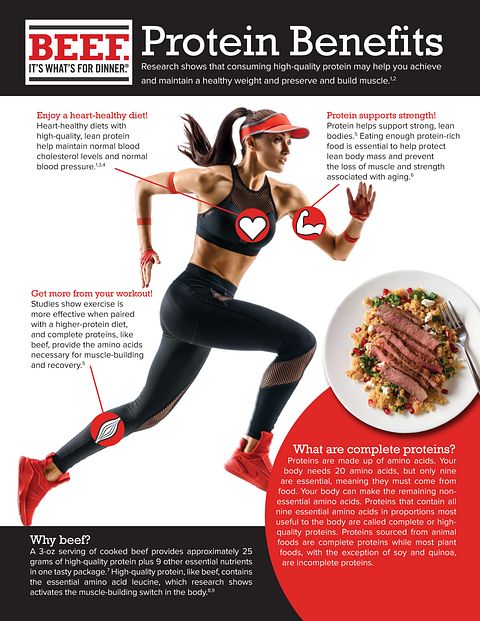
Health Professional Fact Sheets - Protein Benefits
Q: Can beef be enjoyed regularly as part of a healthy, balanced diet?
A: Absolutely! A 3-ounce serving of beef—about the size of an iPhone—provides more than 10 essential nutrients including protein, iron, zinc and vitamins B12 and B6. One serving of beef contains about half of your Daily Value for protein in around 170 calories on average (and just 150 calories for a serving of lean beef).1
Q: How much beef should I eat at a meal to meet my daily protein requirements?
A: Beef is a great protein option and source of essential nutrients to enjoy any day and for any meal! Dietary Guidelines recommend adults eat 5.5 ounces of protein foods, including beef, per day. Beef can be enjoyed for any meal throughout the day so incorporating beef into various meals will help you meet the recommended Dietary Guidelines.
Q: What benefits do the 10 essential nutrients in beef provide to the human body?
A: High-quality protein, like that found in beef, plays an increasingly important role in muscle maintenance, weight management, and the prevention of chronic diseases. Research also shows the iron, zinc and B vitamins found in beef play an essential role in developing and maintaining cognitive ability in children and adults.3
Q: What nutritional benefits does beef offer me that other proteins don’t?
A: Beef is a nutritional powerhouse in a smaller package than other protein foods. Apart from being a great source of protein, it would take 8 ounces of cooked chicken breast to eat the same amount of iron as in just 3 ounces of beef, and nearly 7 times (20 ounces) the amount of chicken to get the same amount of zinc in a serving of beef!
Q: Is grass-finished beef more nutritious than grain-finished beef?
A: While grass-finished beef tends to be a little leaner, both grass-finished and grain-finished beef are natural sources of more than 10 essential nutrients including protein, iron and zinc. All cattle, whether grass or grain-finished, spend the majority of their lives eating grass on pastures and provide delicious and nutritious beef.
Q: Can eating beef help improve cholesterol levels?
A: Yes! Research shows that a heart healthy diet and lifestyle that includes lean beef, even daily, improved cholesterol levels. About half the fatty acids found in beef are called monounsaturated fatty acids, the same kind found in olive oil, and, as part of a heart-healthy diet, can reduce cholesterol levels.
Q: Can plant-based diets and proteins provide the same amount of protein as beef?
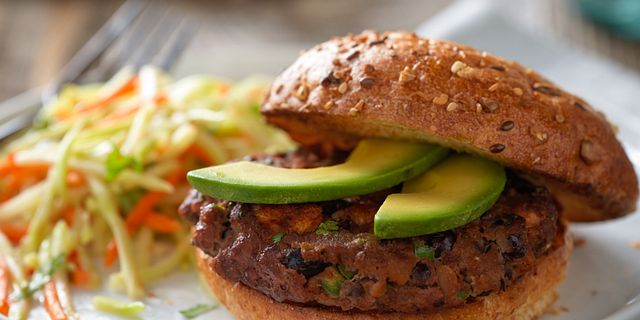
A: Many sources of plant protein do not contain all the amino acids your body needs. Beef supplies more protein and nutrients in significantly fewer calories than plant proteins. A lean beef burger patty averages around 154 calories and 25 grams of protein. Conversely, a veggie burger patty may be lower in calories, but only contains 13 grams of protein per serving.
Q: Can eating beef cause cancer?
A: Cancer is a complex disease and most scientists agree that many factors, including lifestyle and environmental conditions, must be taken into consideration-- making it unrealistic to isolate a single food as a cause of cancer. In fact, despite all the investment made in cancer research, there is no single food, including beef, that has been proven to cause or cure cancer.
Q: Do higher-protein diets have any negative health effects like kidney damage or bone loss?
A: No, this is a common myth about protein. Eating a diet higher in protein can actually help people lose and maintain a healthy weight and support a healthy metabolism. Research shows that eating 25-30 grams of protein at each meal is ideal for optimal body benefits.
Reference
• U.S. Department of Agriculture, Agricultural Research Service, Nutrient Data Laboratory. USDA National Nutrient Database for Standard Reference, Release 28 (Slightly revised). Version Current: May 2016. Internet: http://www.ars.usda.gov/ba/bhnrc/ndl
• U.S. Department of Health and Human Services and U.S. Department of Agriculture. 2015–2020 Dietary Guidelines for Americans. 8th Edition. December 2015. Available at http://health.gov/dietaryguidelines/2015/guidelines/.
• Paddon-Jones D, et al. Protein, weight management, and satiety. Am J Clin Nutr 2008;87:1558S-61S.
• Wolfe, R. The underappreciated role of muscle in health and disease. Am J Clin Nutr 2006;84:475-82.
• Van Elswyk ME, McNeill SH. Impact of grass/forage feeding versus grain finishing on beef nutrients and sensory quality: the U.S. experience. Meat Sci 2014;96:535-40.
• Roussell MA, et al. Beef in an Optimal Lean Diet study: effects on lipids, lipoproteins, and apolipoproteins. Am J Clin Nutr 2012;95:9-16.
• Schoenfeld JD, Ioannidis JP. Is everything we eat associated with cancer? A systematic cookbook review. Am J Clin Nutr 2013;97:127-34.
• Miller PE, Alexander DD, Weed DL: Uncertainty of results in nutritional epidemiology. Nutr Today 2014;49:147–52.
• Phillips SM, et al. Protein "requirements" beyond the RDA: Implications for optimizing health. Appl Physiol Nutr Metab 2016;41:565-72.
• Wallace TC, Frankenfeld CL. Dietary protein intake above the current RDA and bone health: A systematic review and meta-analysis. J Am Coll Nutr 2017;36:481-96.