Description
🚚 The Fastest Delivery Time : It Takes 1-2 Days.
🐝 Supplier / Place Of Origin:Malaysia
🌱 Producer Introduction:
♥️ Healthy Express is my way of helping two groups of people: new arrivals and interested locals who, like me, had no clue where to find ingredients, what local produce existed, where to get specialty food items, etc.; and secondly, farmers, market vendors, retailers, who had the foresight to seek out the best the products has to offer and take the risk of selling these to nutcases like myself. ♥️ Healthy Express is also my reason to overspend and overbuy every time I am in a market or food store with the excuse that it is just part of my “research budget.”
Many people recommend the Yeung Uk Road Market in Tsuen Wan. It is famous for its many seafood stalls, cheap prices and wide selection. You can buy seafood at the Yeung Uk Road Market. We provide seafood processing services for your health and hope to serve everyone.
Buy seafood at Yeung Uk Road Market in Tsuen Wan. Find the rare nine-lobsters that only exist at the junction of fresh and salt water in Lau Fau Shan. The fried and chopped pomfret is a good value. The seasonal crabs are delicious with ginger and scallions.
Yeung Uk Road Market
About Us
Feed You Healthy is an experienced fresh fruit and vegetable consultant who loves shopping, cooking and tasting delicious food. I have been fortunate enough to dine at some amazing restaurants around the world and shop at many spectacular markets and food stores. I love to cook and entertain at home, but I don’t have any formal training—my knife skills are mediocre, but I do learn from master chefs here and there. Food is just a personal preference.
I was born in Yuen Long, Hong Kong, and grew up in Hong Kong. After years of hard work, I was admitted to university and then to the Graduate School of HKUST. For more than a decade, I worked in IT for companies and banks, first as a technology consultant, and in my younger years I traveled all over Africa, Asia, Australia, and sometimes even to China. Now running the Food for You Healthy online store, what annoys me the most is people who lack logic and rationality... but the second thing that annoys me is having to run to a dozen local stores, markets, grocery stores, etc. to find the ingredients our customers need.
The lack of selection, inventory and consistency in produce, meats and dry goods was frustrating, but we learned to adapt. Over the past few years, the food options we have available have increased dramatically, and I have begun to experiment with some lesser-known sources to contact my own suppliers. I learn something every week, and now I find myself learning and being exposed to something new almost every day, which I sincerely share with customers who ask for it.
🌱 Supplier Products:
🛍 Product Information (Main) (English):
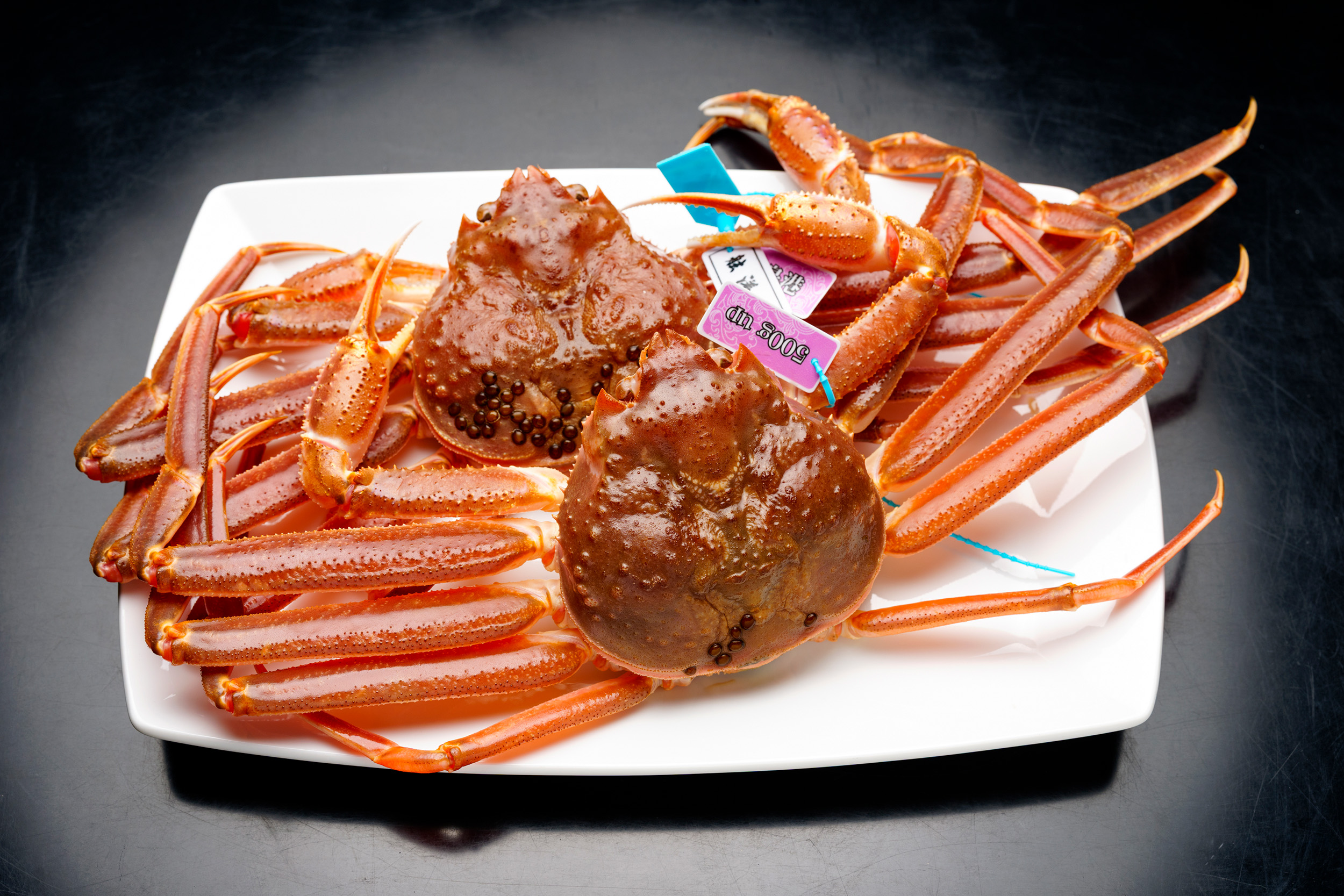
The snow crab is smaller than the king crab, with even large males measuring about 70cm. It is mostly caught in the Sea of Japan and lives mainly in the deep sea at depths of 200m to 400m or more.
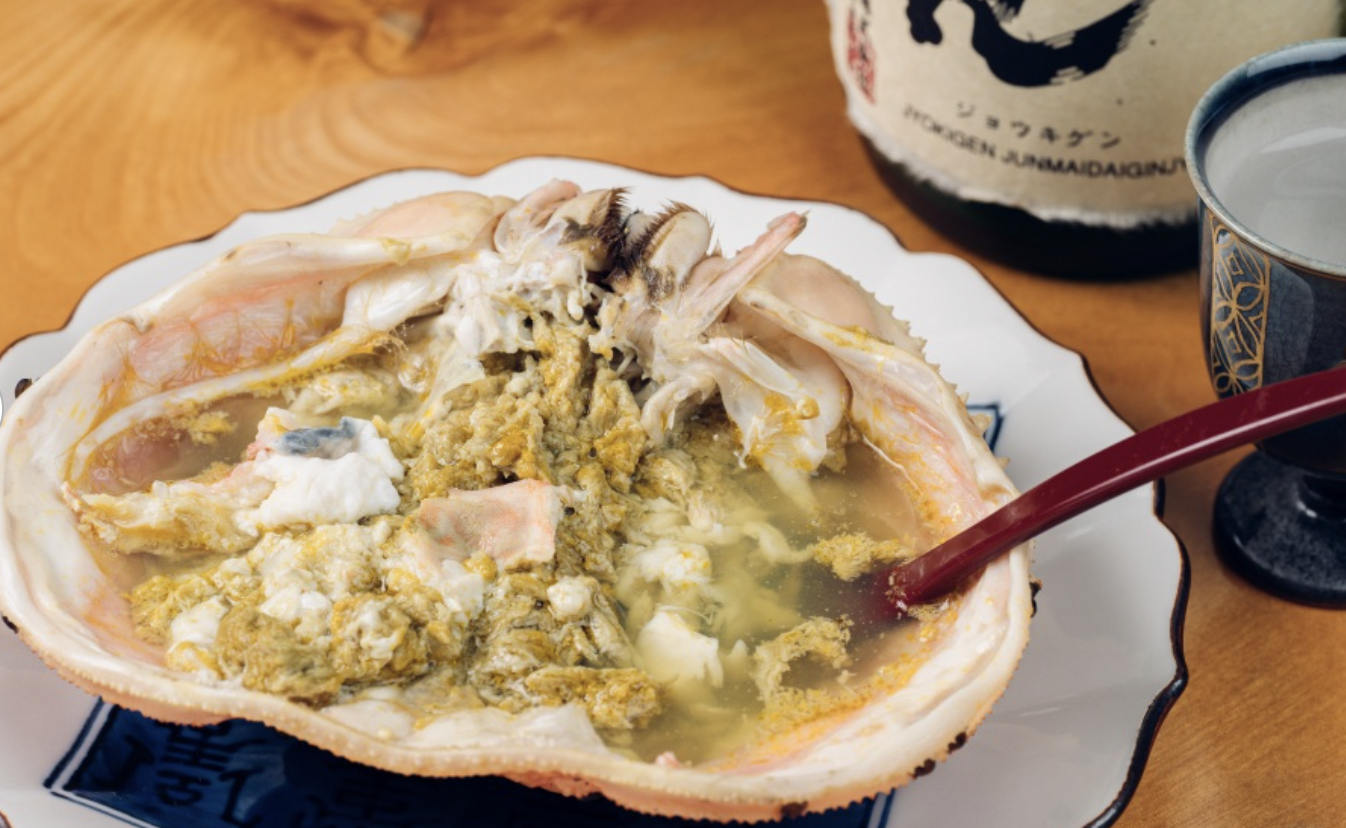
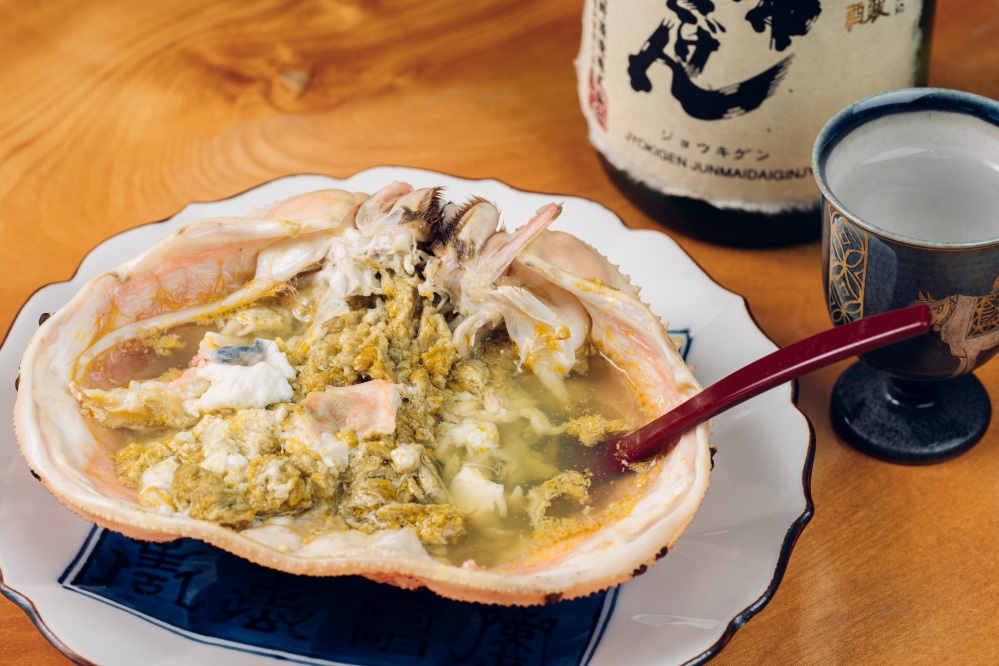
Snow crab is known for being succulent, creamy and tender. After eating the raw or boiled snow crab meat, it is recommended to use the innards to make zosui (rice porridge), simmered dishes, pasta, gratin, and other recipes. Called Zuwaigani (ズワイガニ) in Japanese, the males are also known as Matsuba-gani (松葉がに) if caught in Kyoto, Hyogo or Tottori, or Echizen-gani (越前がに) if caught in Fukui. Females are known as Seiko (セイコ) or Kobako (香箱), with their orange eggs making a popular topping for rice. Their season runs from November to March and they’re a popular winter dish across Japan.
Kano Crab (Male Snow Crab)
- Naming: Kano crab (Kano-gani) is the premium brand name for male snow crabs landed at ports in Ishikawa Prefecture (such as Kanazawa and Hashidate).
- Appearance: They are large and heavily tagged with a blue certification label to verify their origin.
- Flavor Profile: Known for sweet, delicate white meat and rich crab miso (innards) inside the shell.
-
Season: The fishing season runs from early November through late March.
Kobako Crab (Female Snow Crab)
- Naming: Kobako crab (meaning "little jewel box") is the local name for the female snow crab.
- Appearance: They are about half the size of Kano Crabs.
- Flavor Profile: Though they have less meat, they are celebrated for their roe. They contain uchiko (vibrant orange unfertilized eggs inside the shell) and sotoko (brown, granular fertilized eggs attached to the abdomen).
-
Season: To protect the population, the fishing season for females is strictly limited, usually running from November 6 to December 29.
--
Nutrients of this crab:

Low-calorie, lean source of protein
Rich in omega-3 fatty acids
Decent amounts of selenium, potassium, calcium, phosphorus,magnesium and iodine
Composes of Vitamin A, B1, B2, B3, B6, B12, D, E
Cooking methods: steam, grill, pan-fry, bake. Soup / curry.
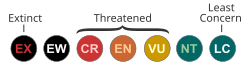
✅ Listed as a species of Least Concern (LC) by IUCN 🐟
🐟 This species is considered a high-quality food fish and is often seen on the market, although not in large quantities. It is caught using hand lines and bottom trawls and is targeted by recreational anglers and commercial fisheries. It is also preyed by recreational, artisanal and commercial fisheries in Indonesia and Papua New Guinea, with part of the catch exported for sale on the international market. In fact, in many places where it is distributed, it is preyed by commercial fisheries. In southern China, people are breeding it in aquaculture. Due to the wide distribution of this species, stable populations, and strict protection in some areas, it is listed as a species of least concern by the IUCN.
🟡 Listed as a species of Vulnerable (VU) by IUCN 🐟
🐠 This species is considered a high-quality food fish and is often seen on the market, although not in large quantities. It is caught using hand lines and bottom trawls and is targeted by recreational anglers and commercial fisheries. It is also preyed by recreational, artisanal and commercial fisheries in Indonesia and Papua New Guinea, with part of the catch exported for sale on the international market. In fact, in many places where it is distributed, it is preyed by commercial fisheries. In southern China, people are breeding it in aquaculture. Due to environmental factors, there may be a relatively high threat of extinction in the medium term of this species, it is classified as vulnerable if it does not meet the critically endangered or endangered criteria, but its wild population faces a high risk of extinction in the future according to the IUCN.
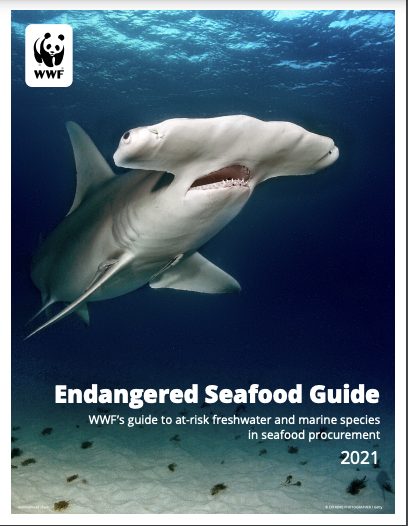
WWF Seafood Selection Guide WWFシーフードセレクションガイド
Whether it is wild-caught or farmed seafood, as long as it can meet our dietary needs without harming the future of the marine ecosystem, it is considered environmentally friendly seafood. The World Wildlife Fund (WWF) has been promoting environmentally friendly seafood and launched the Seafood Selection Guide to encourage the public and the industry to choose environmentally friendly seafood on the green and yellow lists to contribute to the conservation of marine resources.
Red, yellow, green, big and small. There are so many different types of seafood and fish in the wet market, how do you choose right? Check out our video to find tips for your next seafood shopping mission!
Important Notes:
- Do note that weight range provided is before any descaling, de-gutting and cleaning of the fish. The whole fish will belong to you - inclusive of fish bone, fish head, and all the meat!
- Selecting fillet means that we will fillet and portion the fish, and pack them individually. The fish head will be cut in half. We will return you the big bones which can be use to make fish bone broth.
- Selecting steak cut means that we will chop the fish into appropriate size of steaks. The fish head will be cut in half.
Do note that prices are estimated and may be subjected to refunds/top-ups since sizes vary as they are wild-caught.
🥗 Recipe (English Version):
Culinary Preparation
These crabs are highlights of winter dining in the Hokuriku region. They are commonly:
Boiled: Served simply with vinegar and soy sauce to let the natural flavors shine.
In Sushi: Often prepared as gunkan maki (battleship sushi) topped with crab meat and both types of eggs.
In Oden: The shells are sometimes stuffed with meat and eggs and simmered in hot pot broths.
Super-Premium Brands: In recent years, exceptional, giant male crabs and highly graded female crabs are branded as Kagayaki and Kagayaki-hime,
Google Recipe 🔍 :
English CookPad 🍳 :
BBC Good Food 🥙 :
Looking for the freshest seafood in town? Or maybe you want to request something that's not listed on our website? Our Seafood Concierge Service is here to help!
We don't just sell fish, we tailor it according to your needs.
How it Works:
At Healthy Express, we provide customised service to all our customers. You can indicate your specific request during checkout.
For whole fishes, we descale, degut and clean the fish properly before vacuum-packing it.
The following can be done upon request: butterfly your fish / cut the whole fish into steaks/fillets on both sides.
For fillets, we can do the following upon request: de-skin / cut into cubes / small portions for babies.
You can also contact us via WhatsApp to tell us what you're looking for. We'll get back to you with pricing and delivery options. Once you approve, we'll send you a custom order link to complete the payment.
🥘 Seafood Selection Guide 🐠
When choosing seafood, you can refer to the Seafood Selection Guide developed by WWF Hong Kong, which divides seafood into three categories: "Green - First Choice", "Yellow - Second Choice" and "Red - Avoid" to make more environmentally friendly choices. The guide covers more than 70 common seafood species in Hong Kong.
Here are some general guidelines for choosing seafood:
Choose sustainable fishery products:
Prefer seafood that has been certified by the Marine Stewardship Council (MSC), which means that the seafood comes from sustainable fisheries.
Understand the source of seafood:
Try to choose local catches as they have a shorter transportation distance and a lower carbon footprint. Avoid overfished species such as certain large fish and deep-sea fish.
Pay attention to seasonality:
Some seafood has a spawning period, and fishing during the spawning period will affect its population, so try to avoid it. Check the seafood season and choose the right seasonal seafood.
Reduce the consumption of large fish:
Large fish are usually at the top of the food chain, and may accumulate more pollutants in their bodies. It also takes longer to mature and reproduce, so try to reduce their consumption.
Avoid eating endangered species:
Some seafood species have been listed as endangered species, such as humphead wrasse and shark fin, and should be avoided to protect their ecological environment.
Check the farming methods of seafood:
If you choose farmed seafood, you should understand whether its farming methods have an impact on the environment, such as whether drugs or feed are used to pollute the water source.
Reduce the consumption of shark fins:
The fishing of shark fins poses a huge threat to shark populations, and shark fins should be avoided to protect the marine ecology.
In summary, when choosing seafood, the following factors should be considered:
Sustainability: Choose certified sustainable fishery products.
Source: Understand the source of seafood and choose seafood that is locally caught or sustainably farmed.
Seasonality: Choose seafood in season and avoid fishing during the spawning period.
Species: Avoid eating large fish and endangered species.
Farming methods: Understand the way seafood is farmed and choose environmentally friendly farming methods.
Reference

 Low-calorie, lean source of protein