Description
🚚 The Fastest Delivery Time : It Takes 1-2 Days.
🐝 Supplier / Place Of Origin:Malaysia
🌱 Producer Introduction:
♥️ Healthy Express is my way of helping two groups of people: new arrivals and interested locals who, like me, had no clue where to find ingredients, what local produce existed, where to get specialty food items, etc.; and secondly, farmers, market vendors, retailers, who had the foresight to seek out the best the products has to offer and take the risk of selling these to nutcases like myself. ♥️ Healthy Express is also my reason to overspend and overbuy every time I am in a market or food store with the excuse that it is just part of my “research budget.”
Many people recommend the Yeung Uk Road Market in Tsuen Wan. It is famous for its many seafood stalls, cheap prices and wide selection. You can buy seafood at the Yeung Uk Road Market. We provide seafood processing services for your health and hope to serve everyone.
Buy seafood at Yeung Uk Road Market in Tsuen Wan. Find the rare nine-lobsters that only exist at the junction of fresh and salt water in Lau Fau Shan. The fried and chopped pomfret is a good value. The seasonal crabs are delicious with ginger and scallions.
Yeung Uk Road Market
About Us
Feed You Healthy is an experienced fresh fruit and vegetable consultant who loves shopping, cooking and tasting delicious food. I have been fortunate enough to dine at some amazing restaurants around the world and shop at many spectacular markets and food stores. I love to cook and entertain at home, but I don’t have any formal training—my knife skills are mediocre, but I do learn from master chefs here and there. Food is just a personal preference.
I was born in Yuen Long, Hong Kong, and grew up in Hong Kong. After years of hard work, I was admitted to university and then to the Graduate School of HKUST. For more than a decade, I worked in IT for companies and banks, first as a technology consultant, and in my younger years I traveled all over Africa, Asia, Australia, and sometimes even to China. Now running the Food for You Healthy online store, what annoys me the most is people who lack logic and rationality... but the second thing that annoys me is having to run to a dozen local stores, markets, grocery stores, etc. to find the ingredients our customers need.
The lack of selection, inventory and consistency in produce, meats and dry goods was frustrating, but we learned to adapt. Over the past few years, the food options we have available have increased dramatically, and I have begun to experiment with some lesser-known sources to contact my own suppliers. I learn something every week, and now I find myself learning and being exposed to something new almost every day, which I sincerely share with customers who ask for it.
🌱 Supplier Products:
🛍 Product Information (Main) (English):
Trypauchen vagina, commonly known as the burrowing goby, is a species of eel goby found in the Indo-Pacific region. It has an elongated body about 20 to 22 cm (7.9 to 8.7 in) in length. It is reddish-pink in color and possesses distinctive pouches in the upper edges of its gill covers. It lives in burrows in the silty and muddy bottoms of its marine and brackish habitats. It has reduced eyes that are entirely covered with skin and the anterior portion of its head is protected by thick flesh. Both adaptations aid it in digging its burrows.
The comb goby (Paratrypauchen microcephalus) is a species of goby native to marine and brackish waters of the Indian Ocean and the western Pacific Ocean. This species occurs mostly on muddy substrates near mangrove forests. This species grows to a length of 18 centimetres (7.1 in) TL. This species is of minor importance to local commercial fisheries and can also be found in the aquarium trade. This species is the only known member of its genus.[2] Paratrypauchen microcephalus has been recorded from areas which have soft, muddy bottoms, in estuaries and around the mouths of rivers near mangroves where they inhabit deep burrows in the mud. It is not known if they excavate the burrows themselves. This species feeds on benthic invertebrates such as crustaceans.[1]
In the Hong Kong, Macau, and Zhuhai areas, there is a type of fish with an unusual appearance that is sold alive in markets. It's rarely seen in Taiwan, but it's a delicacy in Hong Kong and Macau, and can be prepared in many ways, including steaming, resulting in a very delicious dish.
Characteristics:
Appearance: The fish has a slender body, with eyes that are degenerate and hidden under the skin. It has an obliquely slit mouth, and its pelvic fins are fused into suckers.
Body Color: Dark red or purplish-red.
Flesh Texture: The flesh is relatively coarse, making it suitable for soups, which better releases its nutrients.
Cooking Methods
Soup Making: The most common cooking method is soup making, which can be paired with various ingredients, such as:
* Red snapper, green papaya, and red-skinned peanut soup: This soup has skin-beautifying, spleen-strengthening, stomach-nourishing, blood-tonifying, and lactation-promoting effects.
* Red snapper, tomato, and potato soup: This soup is delicious and nutritious.
Key Points of Preparation:
* Clean the red snapper thoroughly (remove head and internal organs) and pat dry.
* Pan-fry the fish in a little oil until golden brown on both sides; this effectively removes the fishy smell and enhances the sweetness of the soup.
* Place the pan-fried fish and other ingredients in a pot, add boiling water, bring to a boil over high heat, then reduce to a simmer.
* Season with a little salt to taste at the end.
香港、マカオ、珠海地域では、市場で生きたまま売られている珍しい外見の魚がいます。台湾ではあまり見かけませんが、香港やマカオでは珍味として珍重されており、蒸し料理など様々な調理法で美味しくいただけます。
特徴:
外観:細長い体で、目は退化して皮の下に隠れています。口は斜めに切れ込み、腹鰭は吸盤状に癒合しています。
体色:濃い赤色または紫がかった赤色。
肉質:肉質は比較的粗く、スープに適しており、栄養素をよりよく吸収します。
栄養と効能:
血と気の養生:タンパク質、ミネラル、ビタミンが豊富で、貧血の改善と精力増強に役立ちます。
授乳促進:産後の授乳中の母親の母乳量増加を助けます。
脾臓と胃の強化:脾臓と胃が弱い方に効果的です。
その他の効果:美肌、脾臓強化、胃強化、カルシウム補給効果を得るために、青パパイヤと赤皮ピーナッツを加えたレシピもあります。
調理法
スープ作り:最も一般的な調理法はスープ作りで、様々な食材と組み合わせることができます。例えば、
* 鯛、青パパイヤ、赤皮ピーナッツのスープ:このスープには、美肌、脾臓強化、胃の滋養、強血、授乳促進効果があります。
* 鯛、トマト、ジャガイモのスープ:美味しく栄養価の高いスープです。
調理のポイント:
* 鯛をよく洗い(頭と内臓を取り除く)、軽くたたいて水気を切ります。
* 少量の油をひき、両面がきつね色になるまで焼きます。こうすることで魚の臭みが消え、スープの甘みが引き立ちます。
* 焼いた鯛とその他の材料を鍋に入れ、熱湯を加え、強火で沸騰させたら弱火にします。
* 最後に塩を少々加えて味を調えます。
--
Nutrients of this fish:
Blood and Qi Nourishment: Rich in protein, minerals, and vitamins, it helps improve anemia and replenish energy.
Promoting Lactation: Helps postpartum breastfeeding mothers increase milk production.
Strengthening the Spleen and Stomach: Beneficial for those with weak spleen and stomach.
Other Benefits: Some recipes also include green papaya and red-skinned peanuts to achieve skin-beautifying, spleen-strengthening, stomach-strengthening, and calcium-supplementing effects.

Low-calorie, lean source of protein
Rich in omega-3 fatty acids
Decent amounts of selenium, potassium, calcium, phosphorus,magnesium and iodine
Composes of Vitamin A, B1, B2, B3, B6, B12, D, E
Cooking methods: steam, grill, pan-fry, bake. Soup / curry.
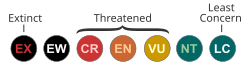
✅ Listed as a species of Least Concern (LC) by IUCN 🐟
🐟 This species is considered a high-quality food fish and is often seen on the market, although not in large quantities. It is caught using hand lines and bottom trawls and is targeted by recreational anglers and commercial fisheries. It is also preyed by recreational, artisanal and commercial fisheries in Indonesia and Papua New Guinea, with part of the catch exported for sale on the international market. In fact, in many places where it is distributed, it is preyed by commercial fisheries. In southern China, people are breeding it in aquaculture. Due to the wide distribution of this species, stable populations, and strict protection in some areas, it is listed as a species of least concern by the IUCN.
🟡 Listed as a species of Vulnerable (VU) by IUCN 🐟
🐠 This species is considered a high-quality food fish and is often seen on the market, although not in large quantities. It is caught using hand lines and bottom trawls and is targeted by recreational anglers and commercial fisheries. It is also preyed by recreational, artisanal and commercial fisheries in Indonesia and Papua New Guinea, with part of the catch exported for sale on the international market. In fact, in many places where it is distributed, it is preyed by commercial fisheries. In southern China, people are breeding it in aquaculture. Due to environmental factors, there may be a relatively high threat of extinction in the medium term of this species, it is classified as vulnerable if it does not meet the critically endangered or endangered criteria, but its wild population faces a high risk of extinction in the future according to the IUCN.
WWF Seafood Selection Guide WWFシーフードセレクションガイド
Whether it is wild-caught or farmed seafood, as long as it can meet our dietary needs without harming the future of the marine ecosystem, it is considered environmentally friendly seafood. The World Wildlife Fund (WWF) has been promoting environmentally friendly seafood and launched the Seafood Selection Guide to encourage the public and the industry to choose environmentally friendly seafood on the green and yellow lists to contribute to the conservation of marine resources.
Red, yellow, green, big and small. There are so many different types of seafood and fish in the wet market, how do you choose right? Check out our video to find tips for your next seafood shopping mission!
Important Notes:
- Do note that weight range provided is before any descaling, de-gutting and cleaning of the fish. The whole fish will belong to you - inclusive of fish bone, fish head, and all the meat!
- Selecting fillet means that we will fillet and portion the fish, and pack them individually. The fish head will be cut in half. We will return you the big bones which can be use to make fish bone broth.
- Selecting steak cut means that we will chop the fish into appropriate size of steaks. The fish head will be cut in half.
Do note that prices are estimated and may be subjected to refunds/top-ups since sizes vary as they are wild-caught.
🥗 Recipe (English Version):
Google Recipe 🔍 :
English CookPad 🍳 :
BBC Good Food 🥙 :
Looking for the freshest seafood in town? Or maybe you want to request something that's not listed on our website? Our Seafood Concierge Service is here to help!
We don't just sell fish, we tailor it according to your needs.
How it Works:
At Healthy Express, we provide customised service to all our customers. You can indicate your specific request during checkout.
For whole fishes, we descale, degut and clean the fish properly before vacuum-packing it.
The following can be done upon request: butterfly your fish / cut the whole fish into steaks/fillets on both sides.
For fillets, we can do the following upon request: de-skin / cut into cubes / small portions for babies.
You can also contact us via WhatsApp to tell us what you're looking for. We'll get back to you with pricing and delivery options. Once you approve, we'll send you a custom order link to complete the payment.
🥘 Seafood Selection Guide 🐠
When choosing seafood, you can refer to the Seafood Selection Guide developed by WWF Hong Kong, which divides seafood into three categories: "Green - First Choice", "Yellow - Second Choice" and "Red - Avoid" to make more environmentally friendly choices. The guide covers more than 70 common seafood species in Hong Kong.
Here are some general guidelines for choosing seafood:
Choose sustainable fishery products:
Prefer seafood that has been certified by the Marine Stewardship Council (MSC), which means that the seafood comes from sustainable fisheries.
Understand the source of seafood:
Try to choose local catches as they have a shorter transportation distance and a lower carbon footprint. Avoid overfished species such as certain large fish and deep-sea fish.
Pay attention to seasonality:
Some seafood has a spawning period, and fishing during the spawning period will affect its population, so try to avoid it. Check the seafood season and choose the right seasonal seafood.
Reduce the consumption of large fish:
Large fish are usually at the top of the food chain, and may accumulate more pollutants in their bodies. It also takes longer to mature and reproduce, so try to reduce their consumption.
Avoid eating endangered species:
Some seafood species have been listed as endangered species, such as humphead wrasse and shark fin, and should be avoided to protect their ecological environment.
Check the farming methods of seafood:
If you choose farmed seafood, you should understand whether its farming methods have an impact on the environment, such as whether drugs or feed are used to pollute the water source.
Reduce the consumption of shark fins:
The fishing of shark fins poses a huge threat to shark populations, and shark fins should be avoided to protect the marine ecology.
In summary, when choosing seafood, the following factors should be considered:
Sustainability: Choose certified sustainable fishery products.
Source: Understand the source of seafood and choose seafood that is locally caught or sustainably farmed.
Seasonality: Choose seafood in season and avoid fishing during the spawning period.
Species: Avoid eating large fish and endangered species.
Farming methods: Understand the way seafood is farmed and choose environmentally friendly farming methods.
Reference


 Low-calorie, lean source of protein