Description
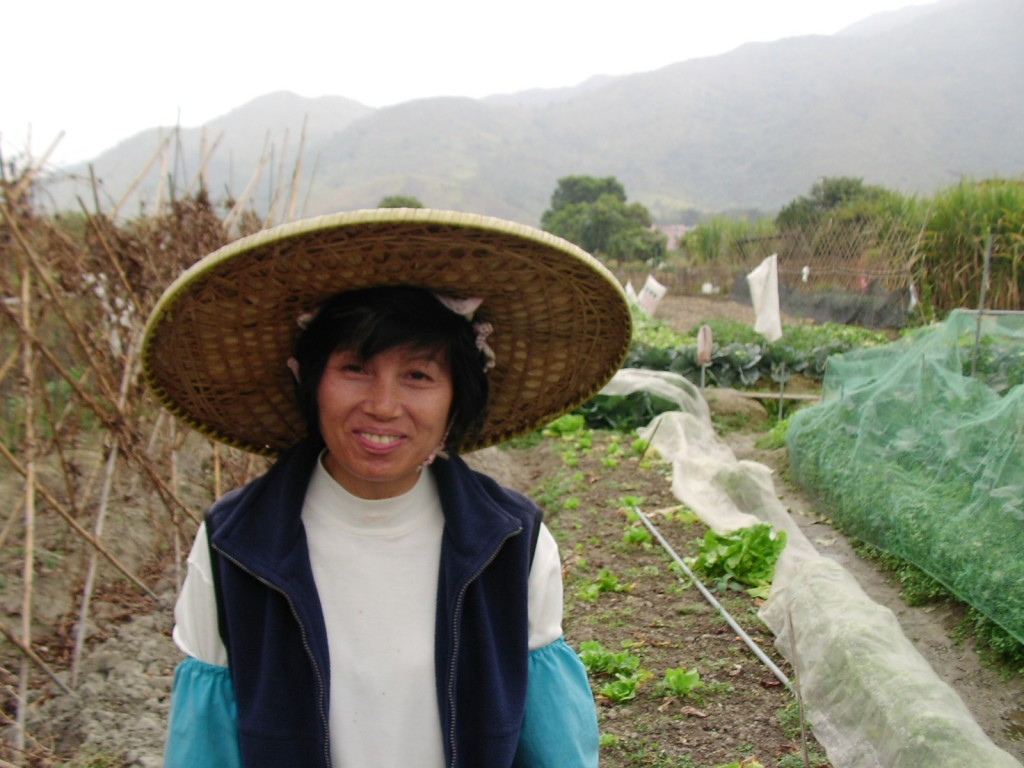
Kam Je Organic Farm
🚚 The Fastest Delivery Time : It Takes 3-4 Days.
🐝 Supplier / Place Of Origin:Kam's Organic Farm / Hok Tau Pai, Hok Tau, Fanling
🔖 Certification: HKORC Certified / Certification Number C07028
🌱 Producer Introduction:
Kam Je has worked in the fields of Hesou for several years, and she has always been known for her hard work. The land she rented is full of different crops everywhere. Kam Je is straightforward and friendly, and asked Kam Je how to take care of the whole Katada, she said, "I have to do it alone. Friends will come to help during holidays. Sometimes I even work from 7:00 am to 3:00 am the next day, take a taxi home, and continue working at 7:00 am." We were amazed that she was all All year round, she added elves: "It doesn't matter, I sometimes have relatives come, and I will take them outside to play."
The cabbages on the field are green and plump, bigger than a human head, and they are the fruits of her hard work. Kam Je can harvest about 1,000 catties of broccoli every year. According to the retail price of organic vegetables, the price is about 30 yuan per catty. If you sell all the broccoli, you can earn 30,000 yuan. Who says farmers work hard and can't make ends meet?
Kam Je smiled wryly: "Other organic farmers also have a bumper harvest of broccoli every year, and the supply exceeds demand. Even if they sell it to the vegetable management department at a low price, they will not accept it." Then what to do with this thousand-jin broccoli? "Eat it yourself! Or don't you give it away?" Give them to friends. If not, compost them.”
Although Kam Je said "it doesn't matter" in everything, everyone knows that farmers are always happiest when they see other people's happy expressions after tasting the crops they planted. Now that the hard-earned cabbage can only be returned to the soil, how can the farmer not feel sad? I hope that everyone can actively support local small farmers and local agriculture in Hong Kong. "
🌱 Supplier Products:
🛍 Product Information (Main) (English):
Origin & Growing
Momordica cochinchinensis (gac fruit), known in Chinese as 天堂果 or 木鱉果, is native to Southeast Asia and is now cultivated organically by local farms in the New Territories (examples include farms in Sheung Shui / Kwu Tung and Tai Po areas). Growers follow organic or natural practices without synthetic pesticides or chemical fertilisers. The fruit is seasonal, typically available in the autumn months. It is a vine crop of the cucumber family.
Appearance
The ripe fruit is elongated-oval, bright orange to red, and covered in soft spines (resembling a small red jackfruit or spiky melon). Inside is orange-yellow pulp surrounding black seeds coated in a vivid scarlet aril (the most nutrient-dense part). The aril is the prized edible portion.
Flavour & Texture
The aril and pulp are mild, slightly sweet to faintly bitter or bland—comparable in texture to soft avocado or mild melon. It is not intensely fruity; many prefer it cooked or blended rather than eaten alone.
Nutrition
Gac aril is one of the richest known plant sources of lycopene (commonly reported as many times higher than tomatoes) and beta-carotene (significantly higher than carrots), along with lutein, zeaxanthin, vitamin E, vitamin C, and healthy fats that enhance carotenoid absorption. These compounds support antioxidant activity and eye health. Values vary by variety, ripeness, and analysis method.
Storage
Refrigerate whole ripe fruit and use within a few days. The aril can be frozen for longer storage. Handle carefully as the red pigment stains easily.
Key Points
Supports local organic agriculture. Outstanding natural source of bioavailable carotenoids, making it a distinctive seasonal specialty for wellness-focused products, soups, or specialty retail.
Supply Period: Hong Kong Is Supplied Throughout The Year.
Suggested Eating Method:
Culinary Uses
-
Soup: Add yellow pulp and red aril (seeds removed) to chicken, pork, or bone broth; simmer until the colour turns soft orange-red.
-
Juice / smoothie: Blend the red aril with water, coconut water, lemon, or honey; strain if desired.
-
Traditional: Used in Vietnamese red sticky rice (xôi gấc) for colour and nutrition.
- Also suitable for oil extraction or as a natural colourant.
Important: Remove the black seeds completely—the seeds (木鱉子) are used in traditional Chinese medicine and are not recommended for casual eating.
🥗 Recipe (English Version):
Google Recipe 🔍 :

English CookPad 🍳 :
BBC Good Food 🥙 :
🔅Precautions (English Version):
☘️ Preserve vegetables
1. Leafy vegetables and softer vegetables, if packaged, should be placed in the cold box in the original package;
2. Organic Vegetables are more prone to spoilage if they have water droplets. Put the vegetables in a ventilated place to dry or wipe off the water vapor, then wrap the vegetables in slightly damp newspaper and put them in a plastic bag before refrigerating. ;
3. Organic vegetables do not use preservatives or special treatments. Vegetables are generally stored for three to five days. Some vegetables will decompose enzymes, so they should be eaten as soon as possible.
☘️ How to wash vegetables
Special attention: The dishes, especially small flowers and broccoli, are best soaked in the water to remove dust (even it is organic farm). It is recommended to use our vegetables and vegetables environmentally friendly cleaner
Dish Drops for 3 to 5 minutes to eliminate residuals Sand and pesticide.
1. Wash vegetables before cooking to keep them fresh;
2. It is not advisable to soak the vegetables for too long, and they should be washed first and then cut to avoid the loss of vitamins;
3. Washing vegetables with dilute salt water or Dish Drop can easily remove vegetable insects;
4. Cut vegetables with a stainless steel knife to reduce vitamin loss;
5. Vegetable leaves contain a lot of nutrients, so you should avoid shredding, chopping or grinding the leaves;
6. Immediately after cutting, to avoid the loss of vitamins due to air oxidation.