Description
A LA CARTE
🚚 The Fastest Delivery Time : 2-day delivery.
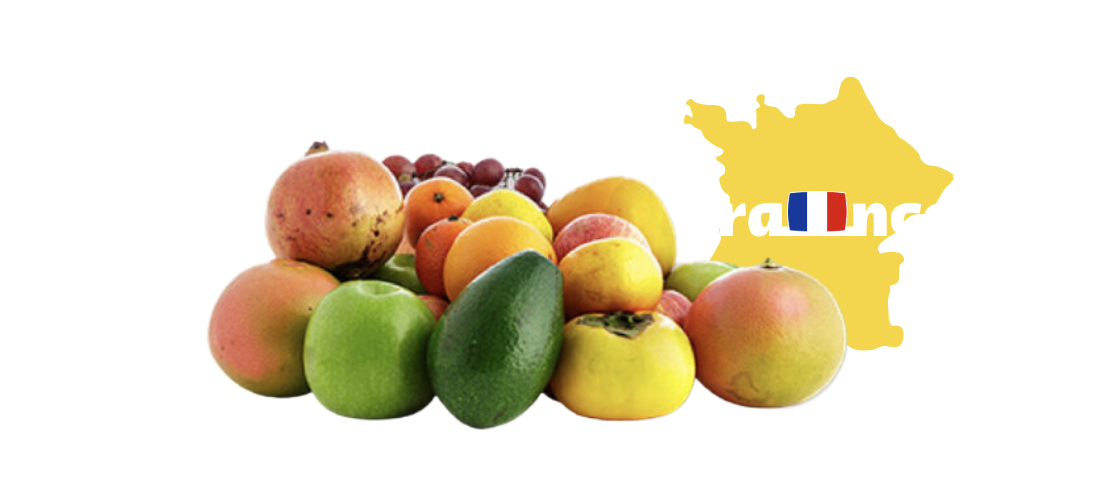
🐝 Supplier / Place Of Origin:A LA CARTE / France
🔖 Certification: -
🌱 About the Producer:
We select our suppliers for the love they put in their products,
seeking the best quality while respecting traditional production methods.
Most of them are family owned, of human size. We value the direct collaboration with them.
By buying directly at the source, we are proud to contribute to the local economy,
while ensuring that, ultimately, our clients get the most tasty and fresh products at the best prices.
All our farmers follow specific certifications minimizing the use of chemicals. From sustainable agriculture ‘’Agriculture Raisonnee’’ (AR) to Organic certified ‘’Agriculture Biologique’’ (AB), these guarantees that the fruits delivered to you a safe and healthy. On top of the tests done by our farmers, we also perform our own chemical test upon each arrival of the fruits.
🌱 Supplier Products:
🛍 Product Information (Main) (English):
Datil is a local southwest French plum, not a date. Its documented home is the south of the Lot. By the late twentieth century only a handful of trees remained in a hedge in the Lot valley. The Conservatoire Végétal Régional d’Aquitaine, led by Évelyne Leterme, propagated them, tested the variety across the region, and from the 2000s worked with growers, including the Prayssas cooperative, to bring it back. Output was still modest: about 40 tonnes in 2015 and about 100 tonnes in 2019. Because the old name was little known, producers registered the commercial name Violine. A protected-origin application has been discussed; it is not an AOP.
Skin is darker than the Ente plum used for Agen prunes. A reported fresh size is around 24 mm, one-bite fruit. Flesh is yellow, firm and juicy when just ripe, softer and melting when fully ripe. Sugar is high: drying lots have been measured around 21 °Brix on average, with some fruit reaching 30 °Brix. The finish is lightly acid, so it does not taste flat. Skin has a slight snap.
The tree is valued for healthy foliage and low fungicide need; growers report it can be carried from bloom to harvest without fungicide treatment and that it is less troubled by brown rot (monilia), which also helps keeping. It crops on sandy, clay and calcareous soils. Pollination reports differ: some lists call it self-fertile, others suggest partners such as Reine-Claude d’Althan. Ripening is staggered, which lengthens the season but means fruit must be picked over several times. High sugar also draws wasps and birds.
Eat it fresh within a few days, in the refrigerator if needed. It is equally suited to jam, bottling and drying. For prunes it is dried more gently and for less time than Ente, often 12–15 hours, and left a little under-dried so the small prune stays soft. It is a niche fruit, not a supermarket plum.
The red skin (and some red-fleshed types) is rich in anthocyanins and other polyphenols such as chlorogenic acid and quercetin. These compounds act as antioxidants, helping limit free-radical stress on cells, and are linked with better cardiovascular markers. Phenolic compounds in plums have also been studied in relation to healthier blood lipid profiles. Fibre, together with natural sorbitol, supports regular bowel movement when eaten in sensible amounts.
Potassium helps maintain fluid and blood-pressure balance; vitamin C supports collagen formation and normal immune function. Eating the fruit with the skin on maximises intake of skin-concentrated anthocyanins. Fresh is best for vitamins and flavour; light steaming, salads or low-sugar roasting also work. Heavy syrup or sugary preserves raise calories and sugar and undercut the “light and heart-friendly” profile.
People managing blood sugar should watch portion size; those with sensitive digestion may start with a small amount. This information is for nutritional reference only and is not a substitute for personalised medical or dietetic advice.
🥗 Product Recipe (English):
Google Recipe 🔍 :

English CookPad 🍳 :
BBC Good Food 🥙 :