Description
A LA CARTE
🚚 The Fastest Delivery Time : 2-day delivery.
🐝 Supplier / Place Of Origin:A LA CARTE / Ecuador
🔖 Certification: -
🌱 About the Producer:
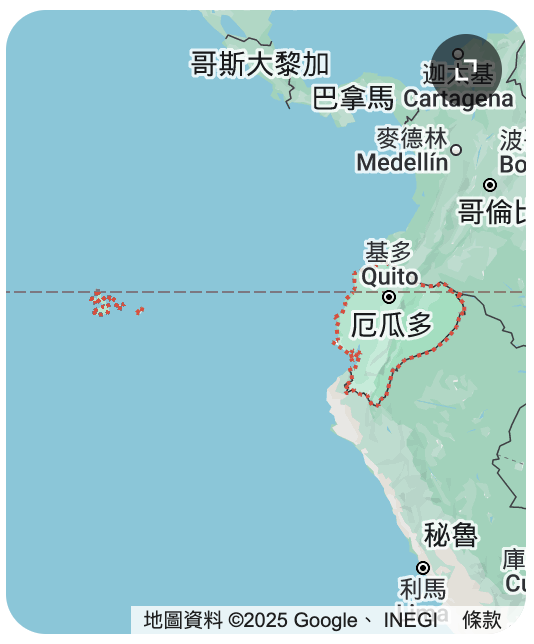
Ecuador, officially the Republic of Ecuador, is a country in northwestern South America, bordered by Colombia on the north, Peru on the east and south
We select our suppliers for the love they put in their products,
seeking the best quality while respecting traditional production methods.
Most of them are family owned, of human size. We value the direct collaboration with them.
By buying directly at the source, we are proud to contribute to the local economy,
while ensuring that, ultimately, our clients get the most tasty and fresh products at the best prices.
All our farmers follow specific certifications minimizing the use of chemicals. From sustainable agriculture ‘’Agriculture Raisonnee’’ (AR) to Organic certified ‘’Agriculture Biologique’’ (AB), these guarantees that the fruits delivered to you a safe and healthy. On top of the tests done by our farmers, we also perform our own chemical test upon each arrival of the fruits.
🌱 Supplier Products:
🛍 Product Information (Main) (English):
What it is — varieties and names
Passion fruit belongs to the genus Passiflora. The English name comes from Spanish missionaries who saw the flower as a symbol of the Passion of Christ—not originally “romantic passion.” The Chinese name 百香果 refers to its multi-fruit aroma. In Hong Kong it is also called 熱情果.
Two commercial forms matter most:
-
Yellow (P. edulis f. flavicarpa, maracuyá): Ecuador’s workhorse—larger fruit, higher juice yield, brighter acidity, golden skin. Dominant in concentrate and much of the fresh export sold as “golden passion fruit.”
-
Purple (P. edulis f. edulis, gulupa in parts of the Andes): smaller, often sweeter and more perfume-like; more a fresh-eating and gourmet fruit.
Ecuador also grows improved lines such as INIAP 2009 and local Criollo types. Sweet granadilla (P. ligularis) is a different species (paler pulp, much lower acidity).
Why Ecuador stands out
Production sits in the coastal belt—Esmeraldas, Manabí, Guayas, Los Ríos, Santo Domingo—where heat, humidity and strong light suit yellow passion fruit. Equatorial location allows year-round harvest, which helps exporters keep supply steadier than highly seasonal origins. Industry commentary often credits intense, near-perpendicular sunlight for higher soluble solids (around 17 °Brix cited for Ecuadorian yellow fruit versus ~15 in some rival regions) and a recognisable aromatic intensity.
Brazil grows more fruit overall, mostly for its domestic market. Ecuador has long been a top exporter of passion-fruit concentrate and juice, with fresh fruit also reaching Asian retail (including Hong Kong).
Appearance, flavour, selection
Egg-shaped to oval; ripe skin bright to golden yellow; edible orange-yellow arils around brown/black seeds. Flavour is tropical, tart-forward and highly aromatic—excellent in drinks and pastry because it cuts through fat and sugar.
Choose heavy, intact fruit. Smooth skin is usually sharper; slight wrinkling plus a strong scent often means better sweetness. Room-temperature ripening improves flavour. Refrigerate once ripe. Cut fruit should be eaten soon.
Nutrition and cautions (general)
Typical per 100 g edible portion: roughly 64–97 kcal, substantial fibre (higher if seeds are eaten), ~30 mg vitamin C, plus carotenoids and potassium. GI is relatively low. Commonly associated benefits track these nutrients (antioxidant support, satiety, gut regularity, potassium for fluid/blood-pressure balance)—not medical claims. Limit or seek advice if you have kidney disease (potassium), acid-sensitive digestion, or need tight carbohydrate control.
How to use
Halve and spoon; fold into yoghurt; mix into sparkling water or tea; use as a sauce or dessert accent. Industrially, Ecuador specialises in frozen pulp and high-Brix concentrate that flavour beverages and confectionery worldwide.
🥗 Product Recipes (English):
Google Recipe 🔍 :

English CookPad 🍳 :
BBC Good Food 🥙 :