Description
🚚 Fastest delivery time: next day delivery.
🐝 Supplier / Origin: Northeast China
🌱 Supplier introduction: Healthy Express is a unique local online food platform that cooperates with more than 30 local farms and importers to provide more than 1,500 kinds of goods, including fruits and vegetables, meat, seafood, poultry and eggs, etc.
🛍 Product information:
Chinese Liangxiang Chestnuts, also known as Liangxiang Plate Chestnuts or Beijing/Yanshan Chestnuts, are one of China's most renowned premium chestnut varieties (Castanea mollissima). The name "Liangxiang" originates from the historical distribution and export hub in Liangxiang Town, Fangshan District, Beijing, although the chestnuts are primarily grown in the Yanshan Mountain foothills around Beijing (Fangshan, Changping, Huairou, Miyun, Pinggu) and neighboring Hebei areas such as Qianxi and Zunhua. The unique McFadden stone (maifan stone) granite-derived soil in this region is rich in minerals, contributing to the exceptional quality: large, plump kernels with thin, easy-to-peel shells, fine golden flesh, high natural sugar content, sweet and powdery texture, and minimal bitterness from the inner skin.
Regarded in traditional Chinese medicine as the "fruit of the kidney," these chestnuts are nutrient-dense, packed with carbohydrates, high-quality protein, dietary fiber, B vitamins, vitamin C, potassium, and essential minerals. They help nourish the kidneys and spleen, replenish qi and blood, and strengthen bones and muscles — making them an ideal autumn and winter tonic. Popular ways to enjoy them include classic sugar-roasted chestnuts (a fragrant, sweet, and fluffy Beijing street snack), steaming as a snack, braised chicken with chestnuts, pork ribs with chestnuts, chestnut cakes, sweet soups, or chestnut paste desserts. Compared to southern Chinese chestnuts, Liangxiang varieties have higher sugar content and a finer, sweeter, less starchy mouthfeel, excelling in roasting or direct eating. Shelled versions (premium peeled chestnuts) are convenient for home cooking. In Hong Kong, they are commonly available in vacuum-packed or frozen forms at supermarkets and dried goods stores, offering consistent quality for gifting or daily wellness.
注意: 正宗良鄉栗子以秋季新貨為佳,挑選時宜選外殼光澤飽滿、搖晃無聲(表示果肉充實)、重量沉手的。糖尿病患者或需控制熱量者應適量食用。與去殼版相比,帶殼新鮮栗子風味更濃郁,但處理較費時。

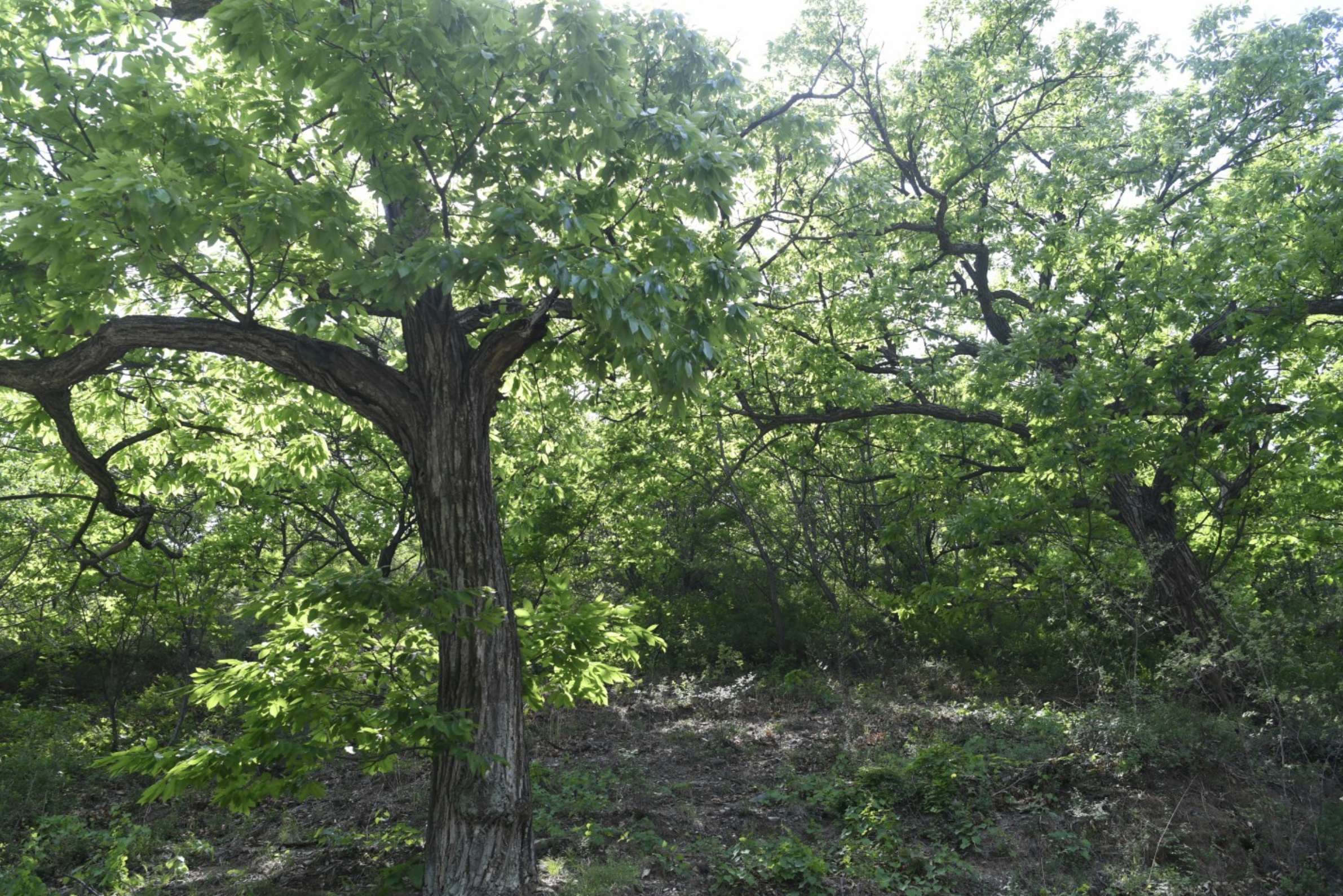
中窖村的百年栗子树
“北有棗栗之利,民雖不由田作,棗栗之實足食於民”。早在戰國時代,蘇秦遊說燕文侯時就曾贊揚燕國,其中提及的板栗,便是良鄉板栗。從古文中,便可見得板栗在過去人們的生活中佔據的地位。
歷史記載,在遼代設有“南京栗園司”,有專人來管理和養護。利用天然的板栗樹資源,少田耕作的人們,卻有著自然饋贈“板栗”作為食物,板栗樹哺育著一方水土的人們,自此人們養成了種植板栗的習慣,並將其延綿兩千餘年。
板栗樹日常的養護需求不多,生長在山間的它們有比其他果樹更堅韌的耐力,即便染上幾百年的歲月風霜,依舊在秋季報以豐碩的果實。果春利負責中窖村千畝板栗園的管護工作,他說:“我的日常工作就是除雜草,修剪枝條,我們村莊的水土天然能養出好的板栗樹。”
這是良鄉板栗種植兩千多年來的底氣,中窖的水土鑄就了良鄉板栗“殼薄易剝,糯質鬆軟”的優勢。中國現代小說家老舍曾在《住的夢》中提到:“秋天一定要住北平……良鄉的栗子也香聞十里。”