{{ 'fb_in_app_browser_popup.desc' | translate }} {{ 'fb_in_app_browser_popup.copy_link' | translate }}

{{ 'in_app_browser_popup.desc' | translate }}

Order Checkout Notes: When selecting a delivery option, please carefully choose the district, as incorrect information will affect your progress to checkout

We proudly present our locally bred Ping Yuen Chicken, Tin Hong Chicken. For the best chickens, come to us!

SF Express charges HK$10 for deliveries to remote areas of Hong Kong. Please inform SF Express staff that this fee will be paid by Healthy Express.

Order Checkout Notes: When selecting a delivery option, please carefully choose the district, as incorrect information will affect your progress to checkout

We proudly present our locally bred Ping Yuen Chicken, Tin Hong Chicken. For the best chickens, come to us!

SF Express charges HK$10 for deliveries to remote areas of Hong Kong. Please inform SF Express staff that this fee will be paid by Healthy Express.

Order Checkout Notes: When selecting a delivery option, please carefully choose the district, as incorrect information will affect your progress to checkout

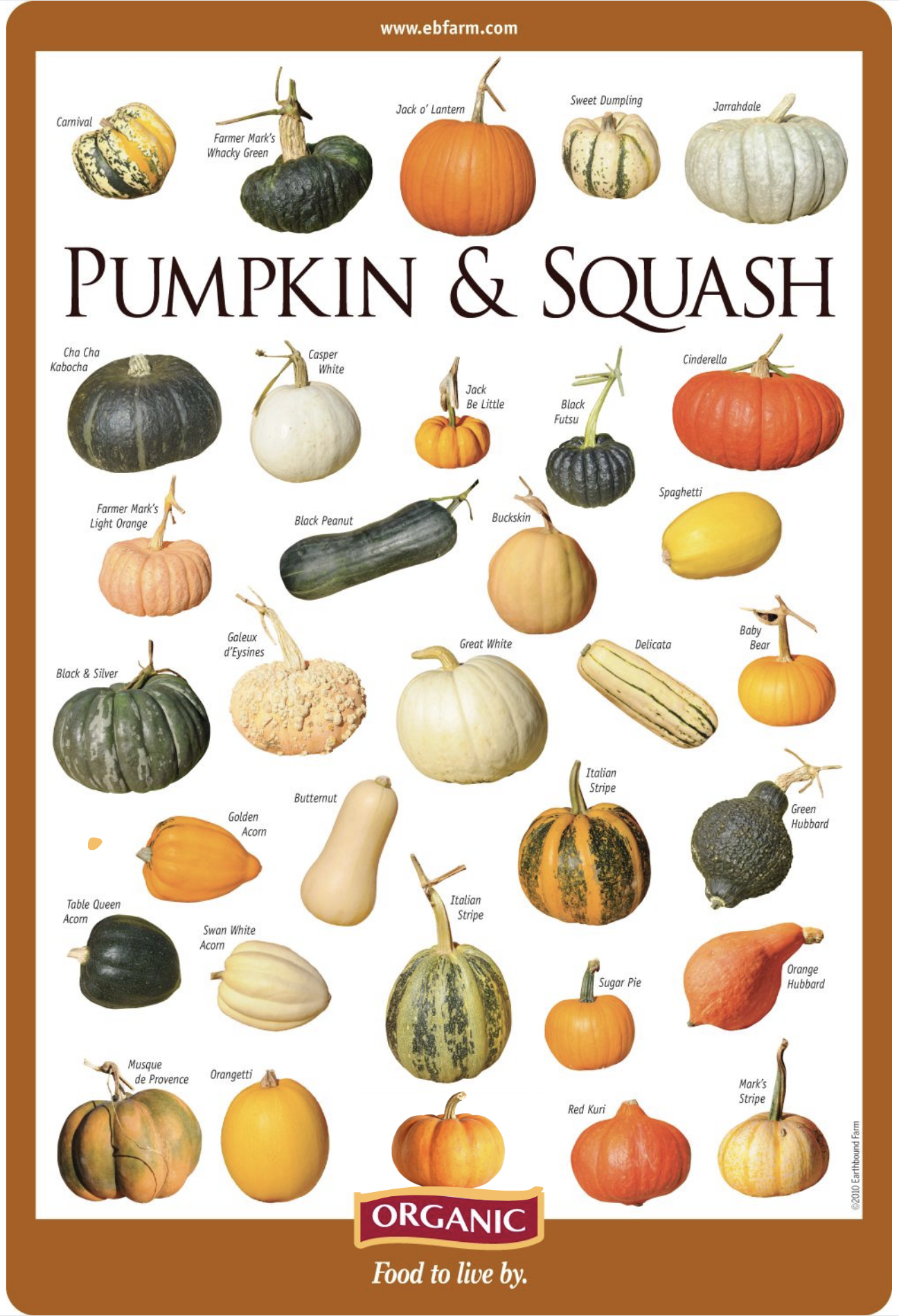
Pumpkin & Squash Varieties

The term is most commonly applied to round, orange-colored squash varieties, but does not possess a scientific definition.

The use of the word "pumpkin" is thought to have originated in New England in North America, derived from a word for melon, or a native word for round. The term is sometimes used interchangeably with "squash" or "winter squash", and is commonly used for some cultivars of Cucurbita argyrosperma, Cucurbita ficifolia, Cucurbita maxima, Cucurbita moschata, and Cucurbita pepo.

How to Choose The Right Pumpkin

Input text contents to promote your event, or tell the story about this slideshow.

How to Choose The Right Pumpkin

Using Pumpkin As Ingredients

Cultivars

Eating Pumpkin In Winter (冬季吃南瓜)

Pumpkins, like tomatoes, are a type of fruit. All pumpkins belong to the squash family, and pumpkins are often associated with large pumpkins carved into jack-o'-lanterns or Cinderella's carriages, but in fact, all hard-skinned squashes can be called pumpkins.


When choosing pumpkins, the basic principle is that the larger the size, the less flavorful it is, and large pumpkins are better for pumpkin carving. Small pumpkins are easier to cook and have a more fragrant taste.


If the pumpkin skin is dull, don't worry, as long as you don't see any large black spots or soft parts, it's generally fine. Pumpkins are suitable for long-term storage and can be stored for several months at cool room temperature.


Winter is the season for eating pumpkins, and we have put together a small guide to help you buy the most suitable pumpkin.


ImageNameSpeciesOriginDescription
Al Hachi 阿爾哈奇Cucurbita moschataKashmirThe people of Kashmir dry Al Hachi pumpkins to eat in the winter, when snowfall can isolate the valley.
Big MaxCucurbita maximaUnited StatesBig Max can exceed 100 pounds (45 kg) and 20 in (510 mm) in diameter under ideal growing conditions. The variety was hybridized for its size during the early 1960s. Individual fruits are round to slightly flattened.
CalabazaCucurbita moschataCuba and West IndiesThe calabaza is a variety originating in Cuba and the West Indies. It is also cultivated in the Philippines and United States.
Cheese pumpkinCucurbita moschataNorth America, possibly from an origin in Central America[74]So-called for its resemblance to a wheel of cheese, this cultivar has been noted for its long storage ability as well as relatively poor culinary characteristics. One of Duchesne's 1786 botanical illustrations depicts a fruit that has been identified with the Cheese Pumpkin.
Connecticut field pumpkin 康乃狄克州田間南瓜Cucurbita pepoNorth America[13]Considered to be "one of the oldest pumpkins in existence". Widely used for autumn decorations, either whole or as jack-o'-lanterns.
Dickinson pumpkinCucurbita moschataNorth AmericaThe oblong, ribbed fruits weigh up to 40 pounds and are widely used for canning. Derived from the Kentucky field pumpkin by Elijah Dickinson when he moved to Illinois in 1835. Libby's Select is classified either as a selection from the Dickinson Pumpkin or a selection from the same parent lineage.
Dill's Atlantic GiantCucurbita maximaNorth AmericaDill's Atlantic Giant was bred by Howard Dill from sources including the Mammoth Pumpkin variety.[83][84] The variety were patented in 1979, who then went on to set the giant pumpkin in 1980 with a 459 lb (208 kg) record.
Galeux d'EysinesCucurbita maximaFranceThe Galeux d'Eysines is mentioned in the Vilmorin-Andrieux vegetable catalogue Les Plantes Potagères in 1883. It is noted for peanut-sized growths on its skin, caused by a buildup of sugar. Its name may have originally been Brodé galeux d'Eysines, translating to embroidered with scabs, from Eysines. Immature pumpkins can be etched with words or designs that become warts as it matures. Galeux d'Eysines was reportedly brought to the United States in 1996 from the Foire aux Potirons pumpkin festival in Tranzault, France, by author Amy Goldman.
Japanese pie pumpkinCucurbita argyrospermaPennsylvaniaThe Japanese pie pumpkin is so-called because its seeds become crazed, resembling to Americans the appearance of Chinese characters or Japanese kanji. This variety was introduced by Samuel Wilson of Pennsylvania in 1884.
Jarrahdale pumpkinCucurbita maximaAustraliaA variety with a blue-gray skin, named after the Western Australian town of Jarrahdale. The Jarrahdale closely resembles the Queensland Blue. It cuts easily, and has orange, sweet-tasting flesh.
Jonathan pumpkin[13][90]Cucurbita argyrospermaAvailable commercially as early as 1891 from Livingston Seed. The name Jonathan may originate as a form of melioration against the character of Brother Jonathan which was sometimes used as mocking personification of the United States by satirists in Europe. Brother Jonathan was also used within the United States either as characterizing the epitome of thrift and industriousness, or an unsophisticated bumpkin.
Kabocha 日本南瓜 (栗子南瓜)Cucurbita maximaJapanKabocha is the general Japanese word for winter squashes. In English, the term "kabocha" is usually used for a green-skinned cultivar derived from buttercup squash.
Kentucky field pumpkinCucurbita moschataCubaMexico, or the United StatesKentucky field pumpkin is among the pumpkin cultivars grown specifically for jack-o-lantern carving. It has been classified as part of a group of Cucurbita moschata cultivars historically grown by the Seminole 塞米諾爾南瓜 people of the United States southeast, as well as by farmers in LouisianaAlabama, and Mississippi. Similar cultivars were identified in Cuba as well as coastal and southern Mexico.
Musquée de Provence, Moscata di Provenza or fairytale pumpkinCucurbita moschataFranceA large pumpkin from France with sweet, fragrant, deep-orange flesh often sold by the slice due to its size.
Seminole pumpkinCucurbita moschataFloridaA landrace originally cultivated by the Seminole people of what is now Florida. Naturalists in the 18th century recorded Seminole pumpkins growing with their vines hanging from trees.
Styrian pumpkin 史蒂利亞南瓜Cucurbita pepoStyriaStyrian pumpkins (Cucurbita pepo subsp. pepo var. styriaca or var. oleifera) have hull-less seeds, which are used in Austria and Slovenia as part of a pumpkin seed oil industry that presses their roasted seeds.[99][100]
Sugar pumpkin 糖南瓜Cucurbita pepoNorth AmericaThe sugar pumpkin is one of the earliest varieties of pumpkin documented by European colonists upon arrival in North America. It has sweeter flesh than the similar but larger Connecticut Field pumpkin from which sugar pumpkins may have been selected.