Description
Tai Shing Food Ltd 大承食品
🚚 The Fastest Delivery Time : 2-3 day delivery.
🐝 Supplier / Place Of Origin:Tai Shing Food Ltd
🌱 About the Supplier:
Tai Shing Food Ltd Tai Shing Food Ltd is a large-scale fruit wholesale market supplier in Hong Kong. It mainly sells high-end fruits and vegetables from Japan and China. Its customers include major supermarkets, fruit wholesalers and high-end restaurants, providing friendly customer service experience and prompt response. Prices that follow the pulse of the market.
🛍 Product Information:
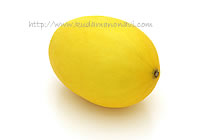
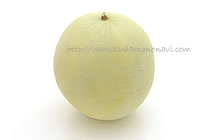
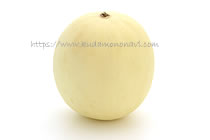
Papaya Melon, also known as Nagasaki Papaya Melon or Papaya-Melon Hybrid, is a rare and premium hybrid fruit variety primarily cultivated in Nagasaki Prefecture, Japan. It is a unique cross between papaya and melon (specifically a type of sweet melon), combining the best qualities of both: the elongated, smooth, papaya-like outer appearance with yellow-green stripes, and the juicy, fine-textured, ivory-white flesh similar to high-quality Japanese melon. The fruit is exceptionally sweet, often reaching an average sugar content of 14–16 degrees or higher, with a refreshing, clean sweetness reminiscent of melon, abundant juice, and a smooth, melt-in-the-mouth texture with almost no fibrous residue.
When ripe, it releases a rich, fragrant aroma. Papaya Melon is prized for its high moisture content, natural sweetness, and potential soothing benefits for the throat and cough relief. It is a seasonal luxury fruit, popular as a special gift box item, enjoyed fresh by scooping the flesh (the seeds are also edible), or used in desserts and juices. Its elegant shape and superior flavor make it a sought-after summer treat in premium fruit markets.
Product Features Supplement:
Main Origin: Nagasaki Prefecture, Japan (also grown in parts of Okinawa and other regions)
Appearance: Oblong shape, smooth skin with yellow-green stripes, resembling a papaya.
Flesh: Ivory white, smooth, juicy, and very sweet.
How to Eat: Freshly cut open and eat, juiced, used in yogurt, or in desserts.
Storage: Store at room temperature or refrigerated; consume as soon as possible to maintain optimal sweetness and aroma.
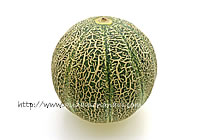
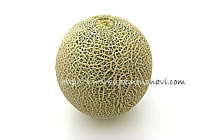
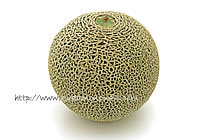
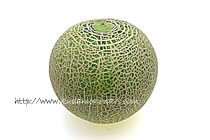
Grade and quality judgment of cantaloupe
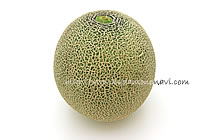
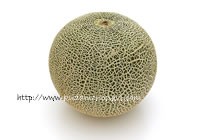
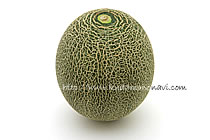
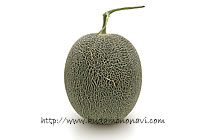
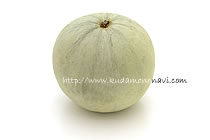
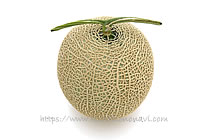
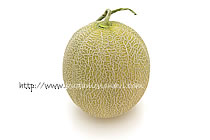
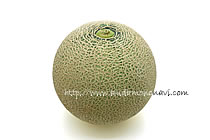
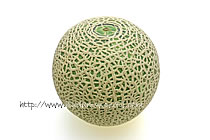
Domestic cantaloupes are graded and ranked based on the strict standards of the shipping group. The grade is determined based on the sweetness of the cantaloupe (judged with a measuring meter), ripeness, appearance, presence or absence of damage, texture distribution, color, etc. (Quality Standard), from the best to the average, they are "Special Supreme Products" (特秀品) > "Supreme Products" (秀品) > "Excellent Products" (優品) > "Good Products" (良品) and so on. Classes are simply judged based on size and weight, and are divided into sizes such as S, M, L, 2L (or LL).
Therefore, the cantaloupe on the Japanese market will be marked with grade + class, such as "秀 L", "優 (Excellent) 2L", etc., to facilitate everyone to select and judge the quality and size of the cantaloupe.
🔅 Remark:
🍎 Preserve fruits
1. Fruits especially with softer skin, if packaged, should be placed in the cold box in the original package;
2. Organic fruits are more prone to spoilage if they have water droplets. Put the fruits in a ventilated place to dry or wipe off the water vapor, then wrap the fruits in slightly damp newspaper and put them in a plastic bag before refrigerating. ;
3. Organic fruits do not use preservatives or special treatments. fruits are generally stored for three to five days in room temperature only, should be kept in fridge. Some fruits e.g. papaya will decompose enzymes, so they should be eaten as soon as possible.
🍏 How to wash fruits
Special attention: Fruits are best soaked in the water to remove residual pesticides (this is organic farm, but will have, but not chemical, except to Re-generative Farm). It is recommended to use our vegetables and vegetables environmentally friendly cleaner
Dish Drops for 3 to 5 minutes to eliminate residuals Sand and organic pesticide.
1. Wash fruits before eating to keep them fresh;
2. It is not advisable to soak the fruits for too long, and they should be washed first and then cut to avoid the loss of vitamins;
3. Washing fruits with dilute salt water or Dish Drop can easily remove vegetable insects;
4. Cut fruits with a stainless steel knife to reduce vitamin loss;
5. Vegetable leaves contain a lot of nutrients, so you should avoid shredding, chopping or grinding the leaves;
6. Immediately eat after cutting, to avoid the loss of vitamins due to air oxidation.
Reference
-
「アムス」メロンはネット系青肉メロンです。ほかのネットメ……続きを読む
-
「アンデス」は、サカタのタネが開発し、1977年(昭和5……続きを読む
-
「イバラキング」は茨城県農業総合センターが育成した緑肉の……続きを読む
-
「オトメ」メロンは果肉が緑肉のネット系メロンです。タキイ……続きを読む
-
「キスミー」メロンは埼玉原種育成会が1995年(平成7年……続きを読む
-
「キンショーメロン(キンショウメロン)」は果皮に網目がな……続きを読む
-
「クインシー」メロンは赤肉のネット系メロンです。1989……続きを読む
-
「タカミ」メロンは果肉が緑肉のネット系ハウスメロンです。……続きを読む
-
「ハニーデュー」メロンは果皮が乳白色のノーネットメロンで……続きを読む
-
「肥後グリーン」は果肉が緑色のネット系青肉メロンです。奈……続きを読む
-
「プリンス」メロンはサカタのタネが開発した品種で、発表さ……続きを読む
-
「ホームラン(ホームランスター)」メロンは表面に網目がな……続きを読む
-
「マスクメロン」は果肉が黄緑色のネットメロンです。マスク……続きを読む
-
「夕張メロン」は北海道夕張市の特産として有名な赤肉メロン……続きを読む
-
「ルピアレッド」は赤肉のネット系メロンです。みかど協和が……続きを読む
-
「レノン」メロンは網目の細かな赤肉系ネットメロンです。皮……続きを読む