What are peptides? The Miracle Skin Care Ingredient That Got Popular Overnight
Peptide is a small fragment of protein, composed of the smallest unit of amino acids. Peptides are present in skin cells, hair, nails, etc.
✔️ Molecular size: protein > peptide > amino acid

Using Lego blocks as an analogy, the blocks of different colors and shapes are like amino acids. By arranging them in different quantities and combinations into round, long, irregular and other shapes, they are fragments of peptides. These fragments of peptides can eventually be combined into large patterns and buildings, which are proteins. Peptides with different numbers, such as tripeptide and hexapeptide, represent how many amino acids they are composed of, and their effects will also vary.
When did peptides become the new favorite in skin care?
It originated from an American brand accidentally discovering that its pregnancy cream was also effective in anti-wrinkle on the face according to customers. It not only boosted sales but also sparked heated discussions. The mystery was not revealed until the World Congress of Dermatology held in France in 2002: it turned out that peptide ingredients were used in the formula. As the skin care effects of peptides are discovered, more and more different peptides have been developed and added to skin care products to enhance skin beauty.
Compared to large-molecule collagen, peptides are just nano-sized fragments that can act more deeply on the skin base. Compared to amino acids, peptides are composed of larger molecular fragments, so they are relatively stable during the production of skin care products.
First of all, it should be made clear that peptides are an extraction technology in agriculture and food processing industries, not a new thing or new technology.
For example, in Taiwan, plums are soft, yellow and fragrant after being ripened, making them a good material for making juice and jam. The only drawback is that they still contain bitter substances, which affects the quality of the products.
Fresh plums were crushed, freeze-dried, and then extracted with chloroform and methanol (CHCI3:CH3OH=2:1 v/v). The resulting extract was concentrated by evaporation and the peptides were separated by colloid filtration.
The sensory tasting test showed that plums contain five bitter oligopeptides, including sine, leucine and phenylalanine.
What do the common peptide numbers 2-9 in peptides mean?
Peptides are composed of amino acids of different numbers and properties. The number in front of the peptide name represents the number of amino acids. There are more than 20 kinds of amino acids in the human body, which can produce different peptide arrangement fragments. There are actually a lot of peptides, ranging from 2 to 100. The most commonly added to skin care products are oligopeptide chains with less than 10. 2, 3, 4, 5, 6, 7, and 9 peptides are the most common, and each has its own advantages in skin care effects.
Peptides are chain-like amino acid polymers.

Dipeptide
The arrangement and combination is similar to the protein structure of human skin, which helps to resist glycation, improve sallowness and dullness, and enhance transparency.
Tripeptide
The common "blue copper peptide" is a tripeptide. In addition to amino acids, it also carries a copper ion (tripeptide copper), which can enhance skin repair and smooth lines. There is also a snake venom peptide extracted from snake venom serum that can relax facial expression lines; now there are also synthetic peptides similar to snake venom serum.
Tetrapeptide
Tetrapeptides can enhance skin tolerance! It is very suitable for soothing the skin, stabilizing the skin after sun exposure or medical aesthetics.
Pentapeptide
It is the first peptide to be compared with anti-aging ingredients such as vitamin A and vitamin C. It helps to promote collagen elasticity and enhance plumpness.
Hexapeptide
It has a botulinum toxin-like effect and can relax lines caused by excessive contraction and pulling. Currently, a new hexapeptide has been developed that is similar to the pentapeptide and can increase collagen production capacity.
Heptapeptide
Helps fight against environmental free radicals and assists in whitening or anti-aging skin care benefits.
Nonapeptide
Block excessive melanin production to make the skin more even, brighter and clearer.
The Difference Between Animal Peptides and Plant Peptides
Peptides are also divided into animal and plant types. Early animal peptides extracted from eggs, meat and dairy products were high in protein and amino acids, but there were also concerns about their unstable quality. As skin care technology becomes more advanced, peptides extracted from plants such as soybeans, corn, buckwheat, or artificially synthesized peptides have been born. They have smaller molecules, are easier to absorb, have rich skin-beautifying nutrients, are more stable, and are gentle and skin-friendly. Although the cost is relatively high, they have gradually become the mainstream choice.
Extraction method: hydrolysis
Peptides can be hydrolyzed from dietary protein by chemical methods or obtained artificially. It is composed of two or more amino acids and is very important in the regulation of cell physiology and metabolic functions. Most peptides are unstable in nature and should be stored away from moisture at temperatures below 4°C for long periods of time.
Synthetic peptides and drugs
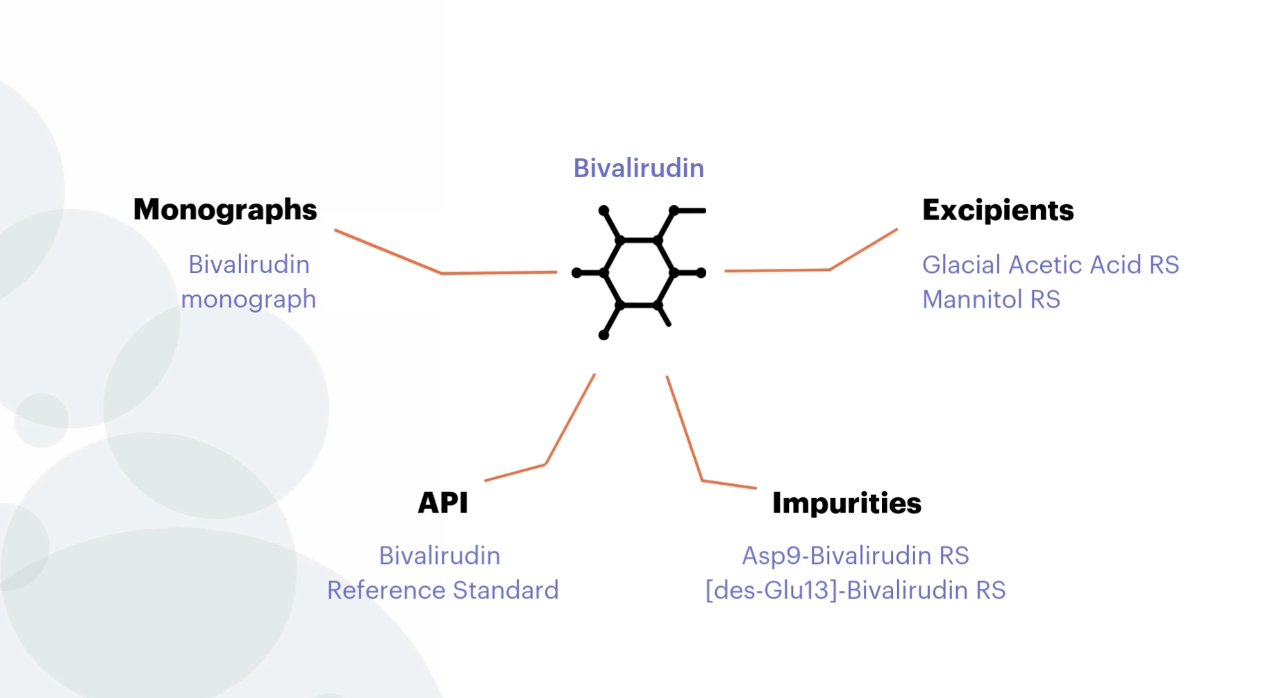
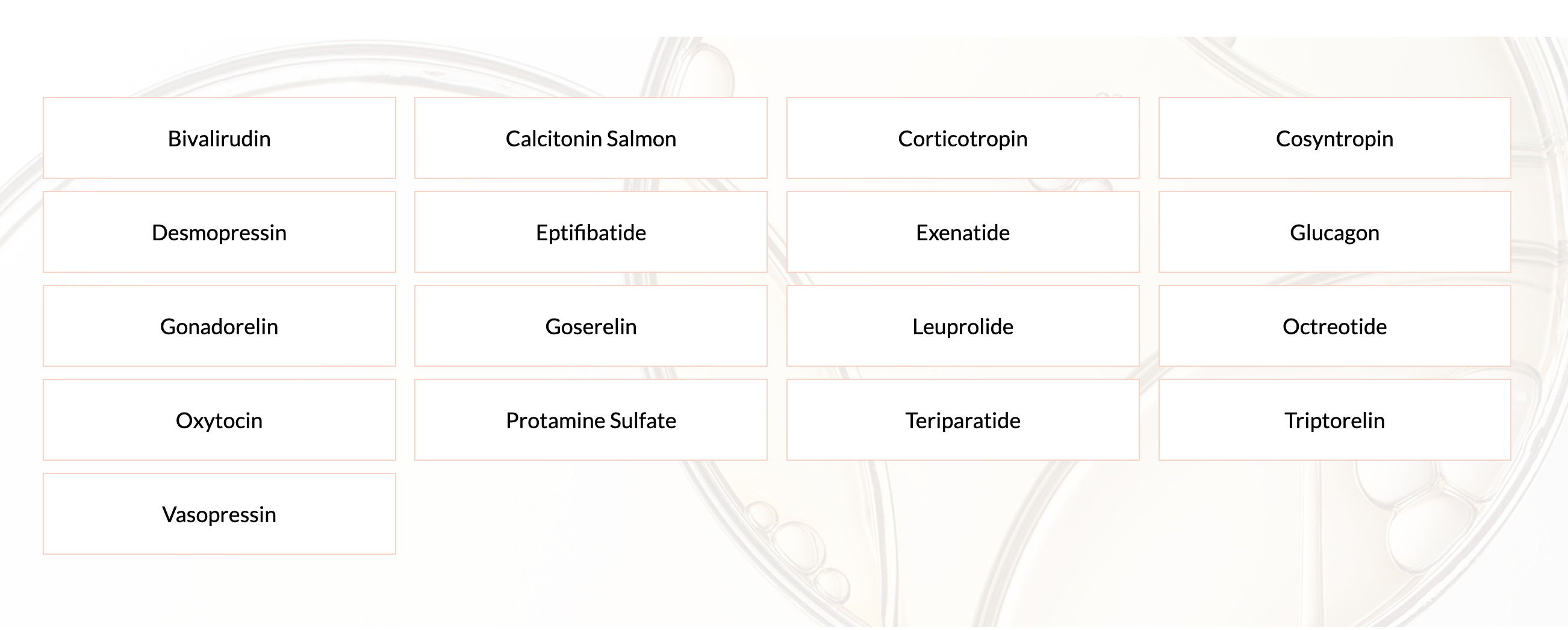
The peptide family also includes some synthetic drugs. Emerging biologics are developing rapidly. From a chemical point of view, most of them are synthetic analogs of natural drugs. You can learn more about the peptides you are interested in. Pharmaceutical companies are also constantly launching new peptide impurities, mainly including vasopressin, bivalirudin, adrenocorticotropic hormone, desmopressin and glucagon. As the peptide family continues to expand its material selection, medicine will be able to develop higher quality drugs. Peptides are key therapeutic drugs that patients rely on to treat diseases such as diabetes, obesity, cancer, etc.
Usage
Active peptides are closely related to nutrition, hormones, enzyme inhibition, immune regulation, antibacterial, antiviral[10], and antioxidant effects.


