What are food preservatives?
Adding a small amount of preservatives to food can improve the color, taste, or improve food safety and extend the shelf life of food.
The role of food preservatives:
- Can inactivate bacterial growth in food to improve food safety and quality
- Prevent food from being oxidized and extend food storage period
FSA Explains: Food additives
January 7, 2013
Food Additives (in Cantonese)
Every Monday and Thursday at 9:50pm NOW news channel
Types and functions of food additives
Functional classification, common food preservatives include:
- Emulsifiers and stabilizers
- preservative
- Antioxidants
Preservative
- Preservatives help prevent or slow down the growth of microorganisms
- Preservatives extend the shelf life of food and reduce food waste
Examples of preservatives:
- Salt, sugar and vinegar are commonly used preservatives in households
- Sulfur dioxide is used to prevent food from discoloring
- Nitrates and nitrites are used in cured meat products
Antioxidants
What are antioxidants?
Antioxidants prevent food from spoiling due to oxidation, such as slowing down browning
Antioxidant uses:
- Prevent fat-soluble vitamins (vitamin A and vitamin D), oils and fats from being oxidized by oxygen in the air, causing rancidity.
- Fat rancidity is the reaction between oxygen and fat that produces unpleasant, rancid odors and tastes
- Prevents fruits (such as apples and pears) from browning due to exposure to air
Examples of antioxidants:
- Vitamin C (also known as ascorbic acid) is one of the most widely used natural antioxidants
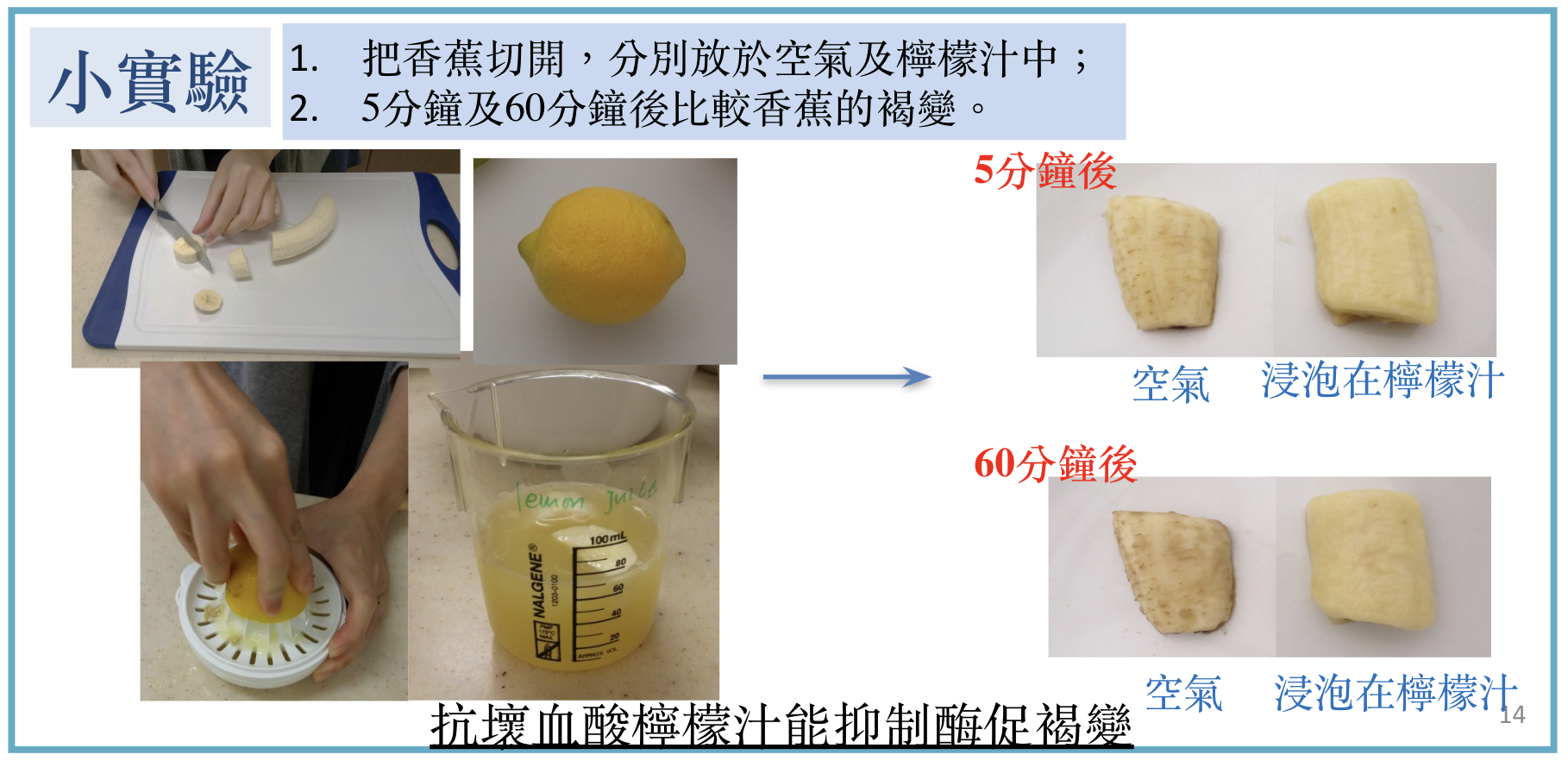
Ascorbic acid lemon juice inhibits enzymatic browning
Common preservatives and antioxidants:
- Sulfur dioxide and sulfites
Phytic Acid Dipping and Chitin Preservation
Strawberries typically lose firmness quickly after harvest. Phytic acid dipping and chitin preservation can be used to preserve freshness. Phytic acid is a natural food additive that delays the degradation of vitamin C in the fruit, maintaining its acid content. Chitin forms a translucent film on the fruit's surface, minimizing the loss of nutrients and maintaining freshness.
Sodium Bicarbonate / Fruit Wax
Oranges, tangerines, and mandarins are often treated with sodium bicarbonate as a preservative. While sodium bicarbonate itself doesn't have a direct antibacterial effect, it does dissolve in water, making it alkaline. This increases the pH on the fruit's surface, inhibiting the growth and reproduction of Penicillium and Chloride molds, which prefer slightly acidic environments. The alkaline solution also removes residual dirt and pathogens from the fruit's surface, indirectly reducing the risk of decay. Citrus fruits are also often treated with wax preservatives, which isolate oxygen and microorganisms, enhance gloss, and reduce water evaporation.
EMQ | Ethoxyquin
Hupi Ling is a commonly used preservative for pears. It is an antioxidant fruit preservative that is insoluble in water but soluble in ethanol. Hupi Ling is effective in preventing and treating black skin disease, a physiological disease of Ya pears during storage. Currently, a common preservation method involves preparing a solution of Hupi Ling at a certain concentration and spraying it directly onto packaging paper to create a fresh-keeping paper.
Because its metabolite ethoxyquinoline quinone is genotoxic and the preparation process may produce potentially mutagenic paraethoxyaniline, the European Union officially banned its addition to feed and food in 2022.
Sulfite | Sodium Metabisulfite | Fungicide
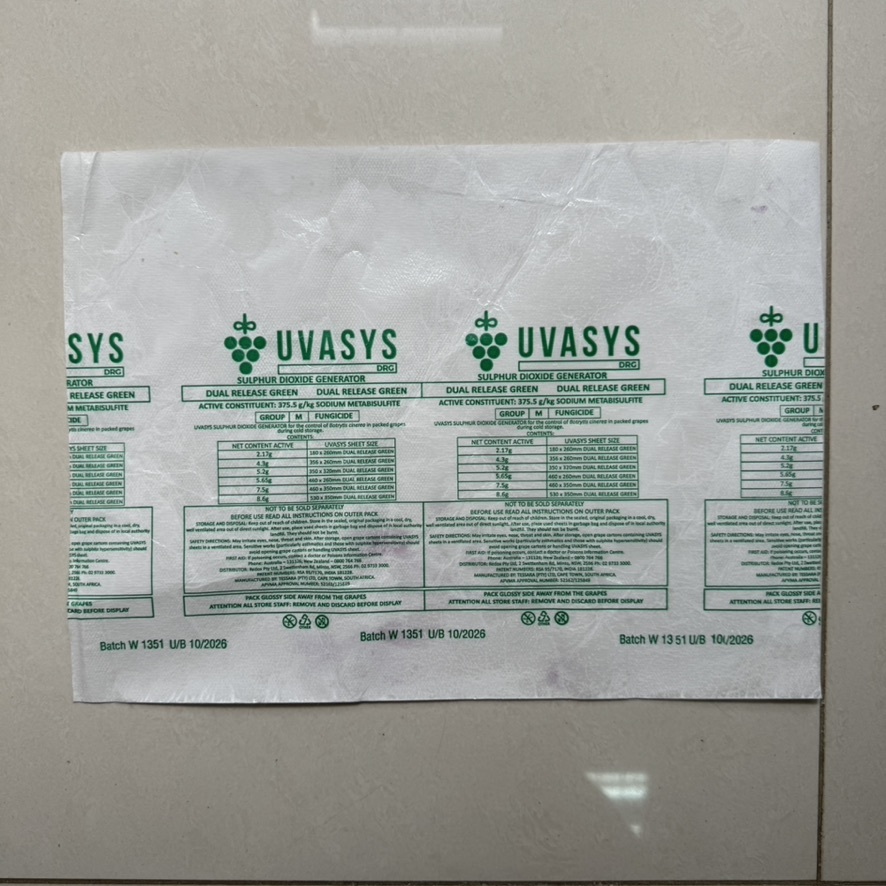
Sulfite gel membrane are currently the most ideal preservative for grapes. Sulfite decomposes in water to release sulfur dioxide, which not only kills pathogens such as gray mold that cause storage rot in grapes, but also significantly inhibits abscisic acid content and ethylene release in grapes, reducing threshing during storage. It also inhibits the oxidative activity of polyphenols in various parts of the fruit during storage.
Sulfur and Paraffin Wax
How can sweet, juicy peaches be flawless, free of insect bites and bird bites? Isn't that bizarre? Many peaches are soaked in industrial citric acid, giving them a vibrant red color and preventing them from rotting. White peaches are smoked with sulfur, which can leave sulfur dioxide residue. Many beautiful, shiny fruits like apples, oranges, and grapefruits are polished with paraffin wax. Impurities in industrial paraffin wax contain heavy metals like lead, mercury, and arsenic, which can seep into the fruit's flesh. The toxic effects of these "beautifying and preservative" ingredients can damage the human nervous system, cause allergies, induce cancer, and contribute to memory loss and dementia. So, if you choose the wrong fruit, you won't get the healthy benefits you envision!
1-MCP | SmartFresh
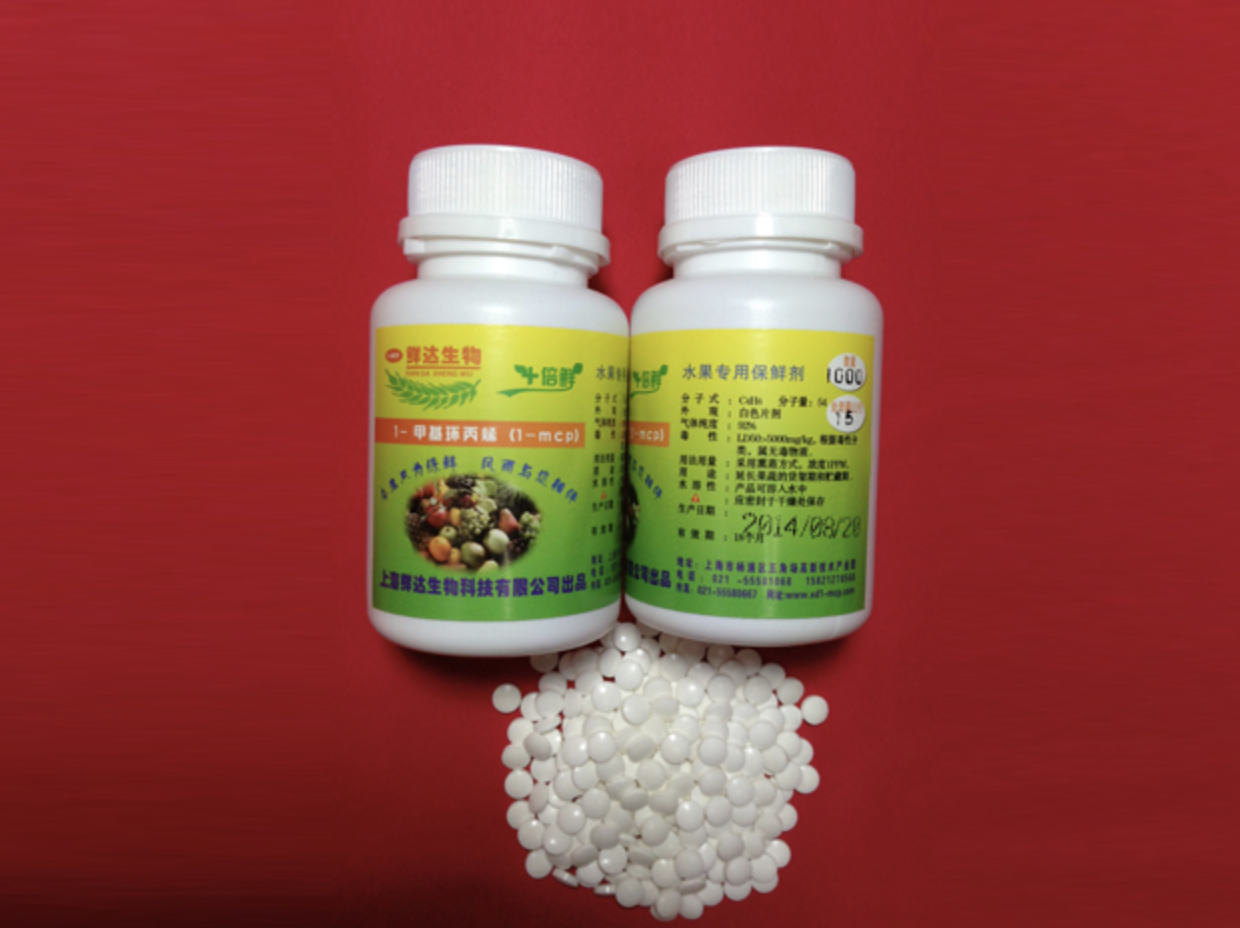
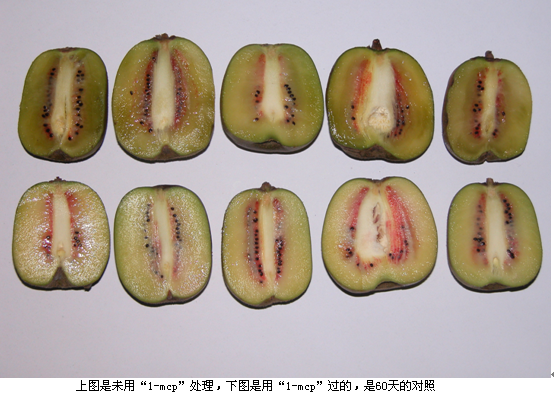
Methylcyclopropene (1-MCP) is a cyclopropene derivative used as a synthetic plant growth regulator. Its structure is similar to the natural plant hormone ethylene and is commercially used to delay fruit ripening and help preserve the freshness of flowers. 1-MCP is commercially used to maintain the freshness of ornamental plants and flowers and prevent fruit from ripening. It is commonly used in enclosed areas such as cold storage, truck trailers, greenhouses, storage facilities, and shipping containers.
1-MCP, under the brand name EthylBloc, was approved by the US Environmental Protection Agency for use on ornamental crops in 1999. For cut flowers, potted plants, flower beds, nurseries, and foliage plants, 1-MCP can prevent or delay wilting, leaf yellowing, cracking, and death.
Under the brand name SmartFresh, 1-MCP is used by agricultural growers, packers, and shippers to prevent or delay the natural ripening process of fruit. 1-MCP is approved in more than 34 countries, including the European Union and the U.S., for use on produce such as apples, kiwifruit, tomatoes, bananas, plums, persimmons, avocados, and melons. While consumers can enjoy fresher produce and lower costs, the fruit they purchase may be older than expected.
sulfur dioxide
The role of sulfur dioxide:
- Antibacterial effect: Sulfur dioxide inhibits molds and bacteria, but not artificially cultivated yeasts
- Used as antioxidant: inhibits browning
Sulfur dioxide occurs in food in several chemical forms:
- Sulfur dioxide (E220)
- Sodium sulfite (E221)
- Sodium bisulfite (E222)
- Sodium metabisulfite (E223)
- Potassium metabisulfite (E224)
- Potassium sulfite (E225)
Sulfur dioxide is widely used in a variety of foods, such as:
- Used in dried fruits, pickled vegetables and meats to inhibit the growth of yeast and bacteria
- Slows the discoloration of meat, fruits and vegetables caused by oxidation
- Prevents further fermentation of sugar by residual microorganisms in the wine
What is fermentation?
Fermentation is when microorganisms, such as bacteria and yeast, break down sugar into alcohol or acid
Fermentation using yeast
Examples of foods with added sulfur dioxide and sulfites
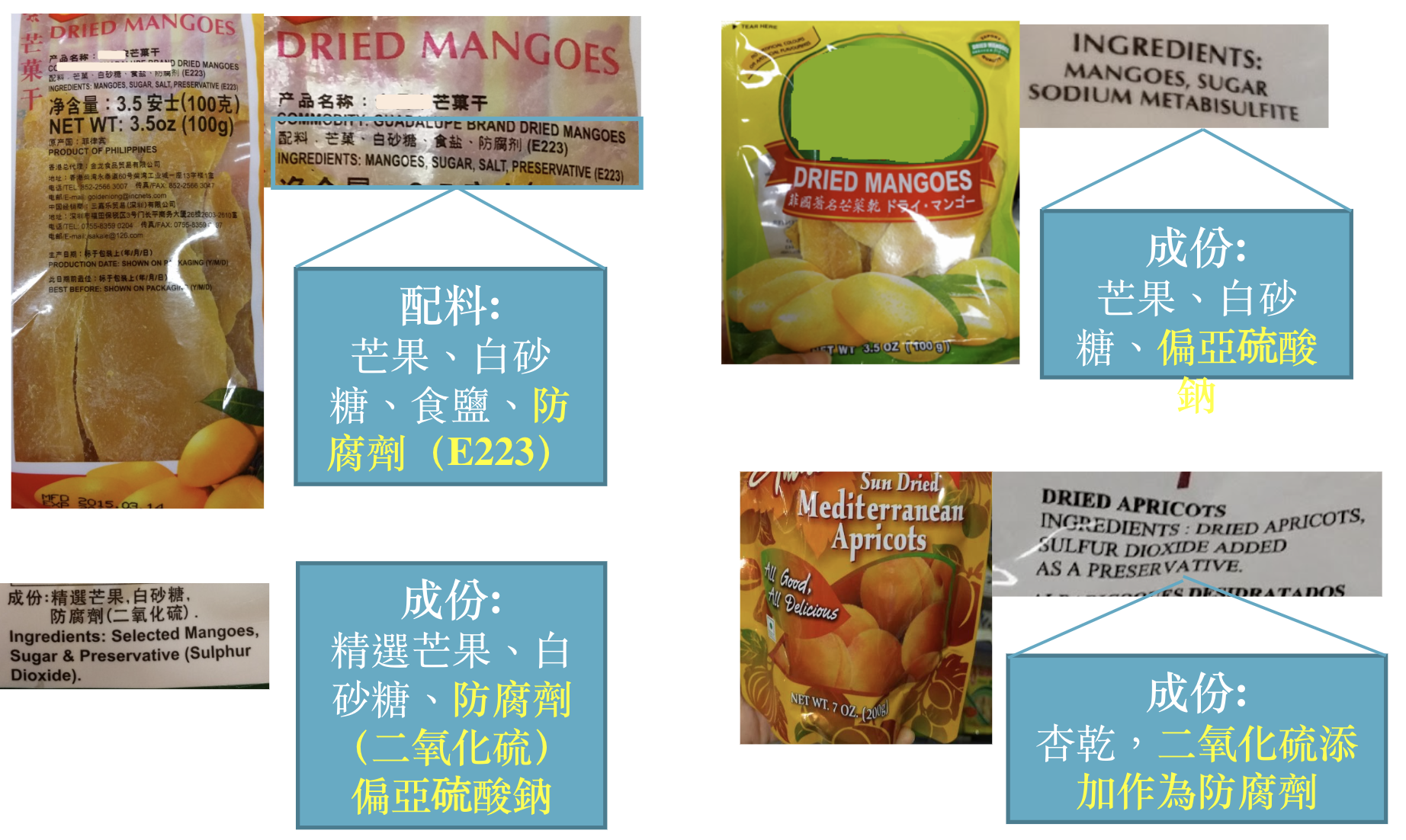
Dried mango and apricots with added sulfur dioxide or sodium metabisulfite (E223)
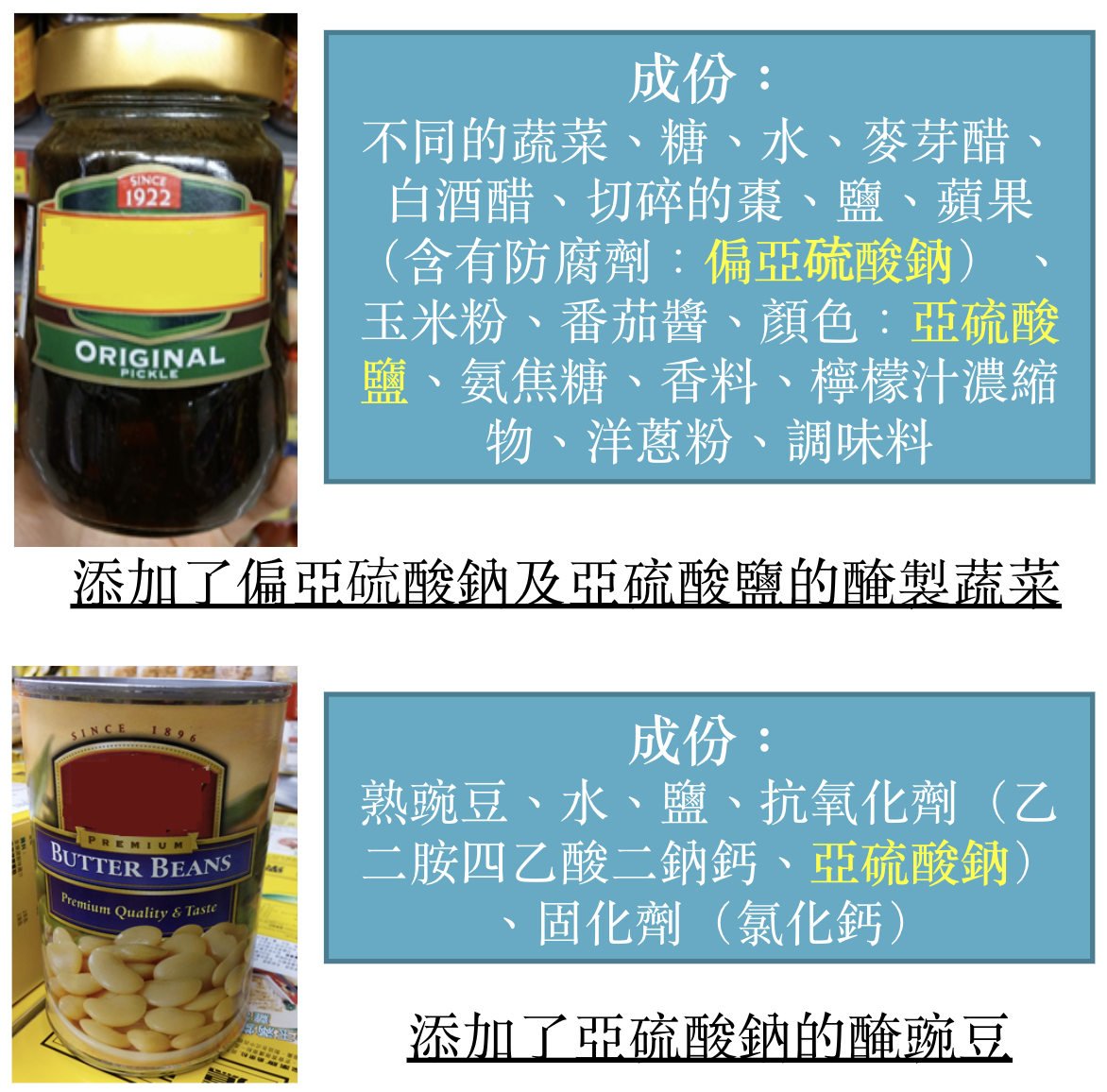
Pickled vegetables with added sodium metasulfite and sulfite, and pickled peas with added sodium sulfite
Health risks to humans:
- Sulfur dioxide has low toxicity and generally does not cause adverse health effects
- Some people who are allergic to sulfur dioxide may experience symptoms such as asthma attacks, headaches and nausea.
- People with allergies should read the labels of prepackaged foods to avoid consuming certain preservatives that may cause allergies
Sulfur dioxide must not be used in fresh or chilled meat in Hong Kong
Sulfur dioxide can slow down the discoloration of meat caused by oxidation, thereby maintaining the color of meat.
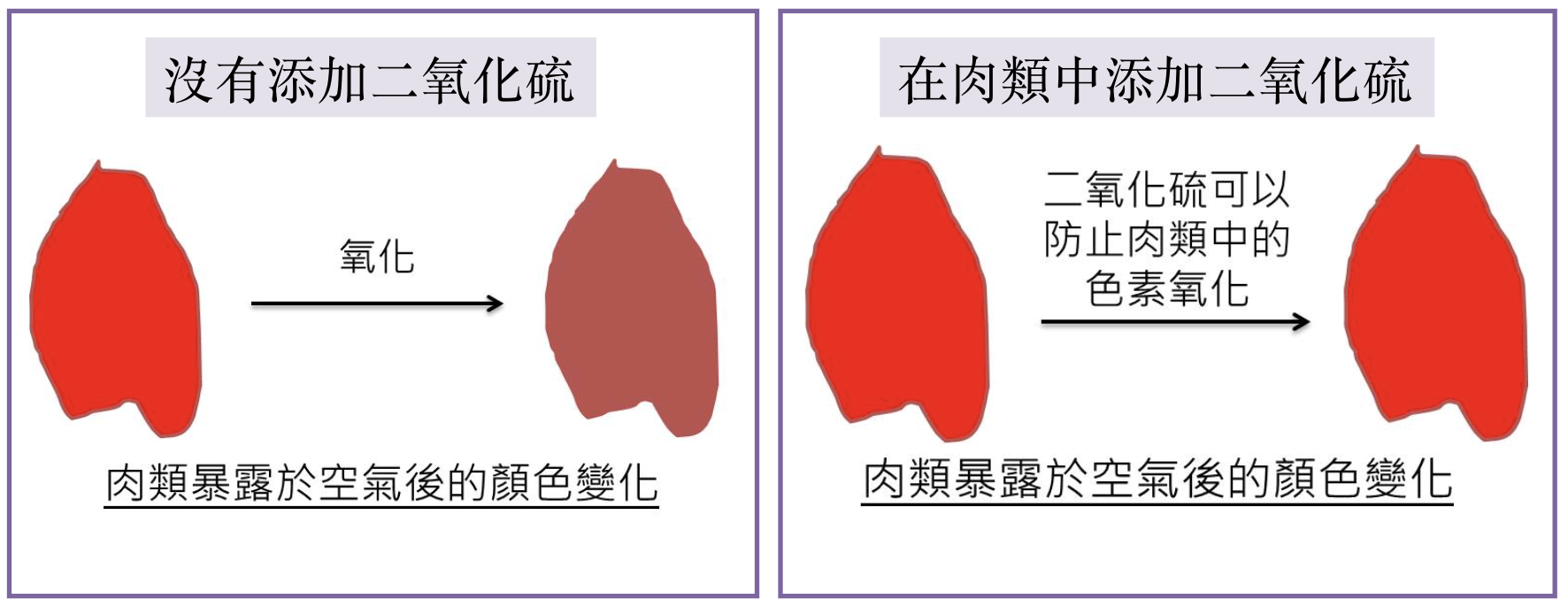
Color changes of meat after exposure to air without and with added sulfur dioxide
Sulfite
Common preservatives and antioxidants: nitrates and nitrites
What are nitrates and nitrites?
- Nitrates are naturally occurring compounds
- Food manufacturers add nitrates and nitrites to meat products (such as sausage, ham, bacon, lunch meat) to preserve the red color and inhibit bacterial growth
Common nitrates and nitrites:
- Potassium nitrite (E249)
- Sodium nitrite (E250)
- Sodium nitrate (E251)
- Potassium nitrate (E252)
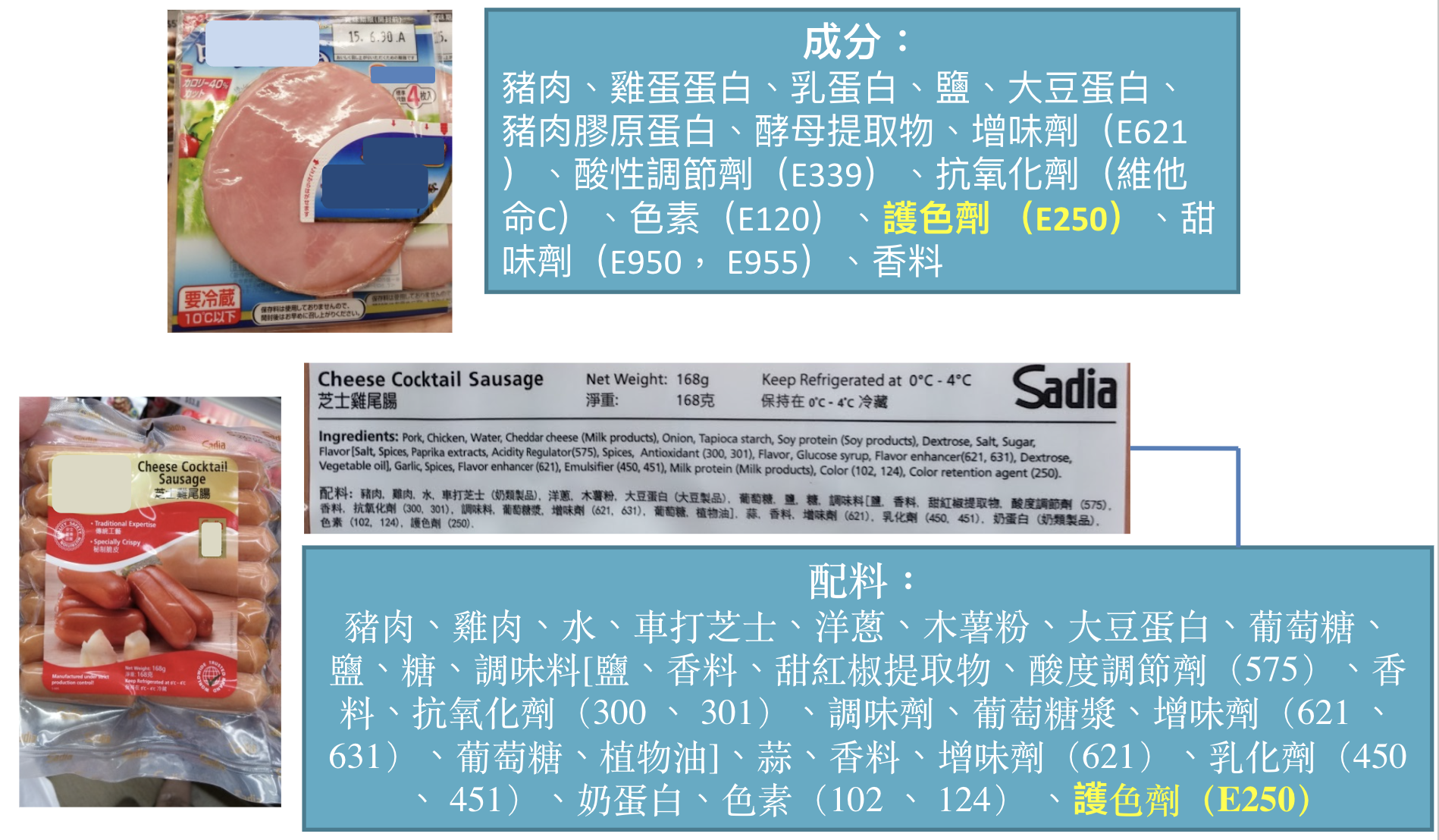
Ham and sausages with added sodium nitrite (E250)
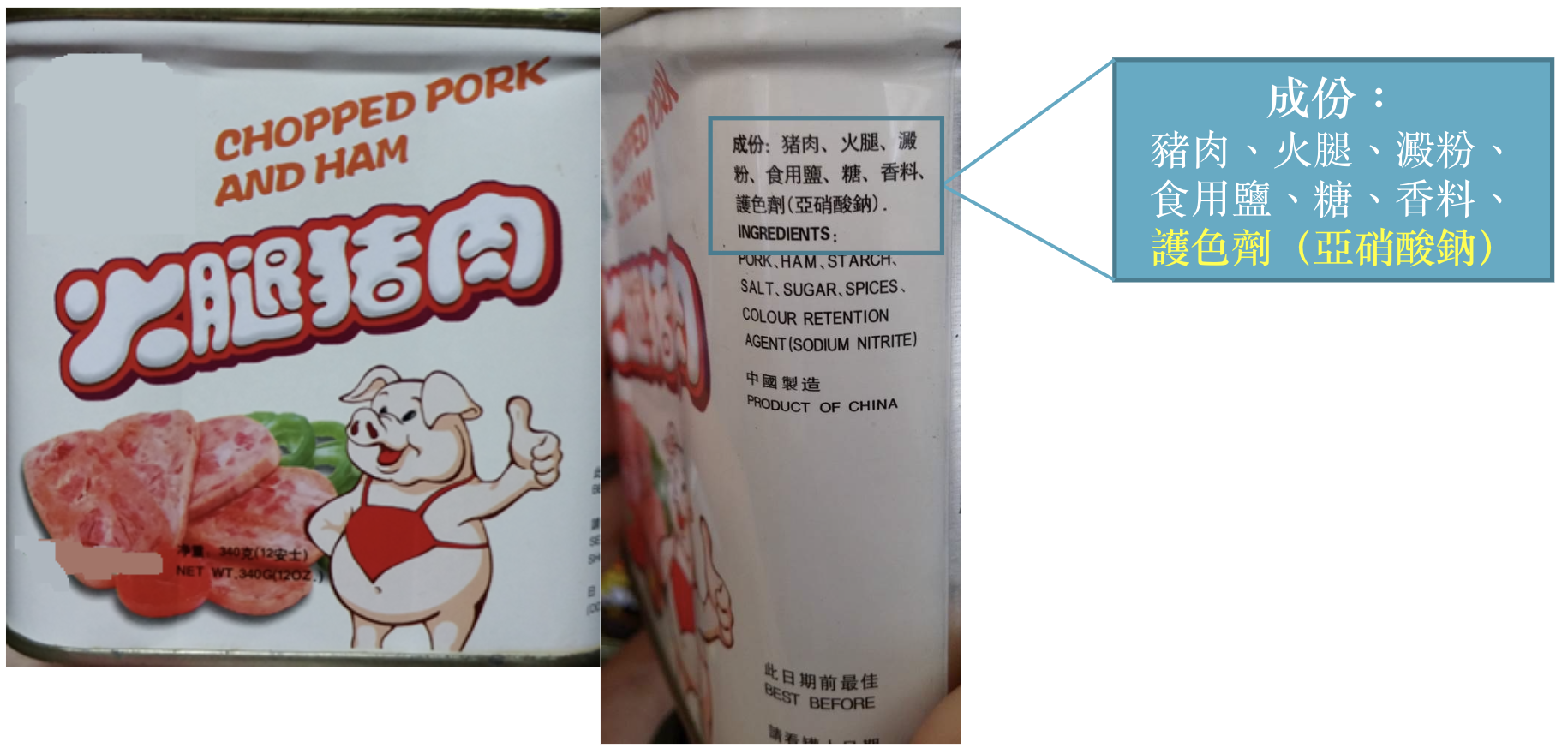
Luncheon meat with added sodium nitrite
Health risks to humans:
- Nitrate itself is non-toxic, while nitrite has low acute toxicity and will not cause adverse effects on human health under normal consumption.
Long-term excessive nitrite intake may increase the risk of cancer:
- Nitrates or nitrites ingested from food are converted into nitrosamines in the intestines and stomach
- Nitrosamines are known carcinogens
Acetic acid
Acetic acid occurs in food in several chemical forms:
- Acetic acid (260)
- Vinegar (contains 4% acetic acid)
- Sodium acetate (262(i))
- Potassium acetate (261(i))
- Calcium acetate (263)
Used in mayonnaise and pickled foods to prevent the growth of microorganisms and contribute to the flavor of food
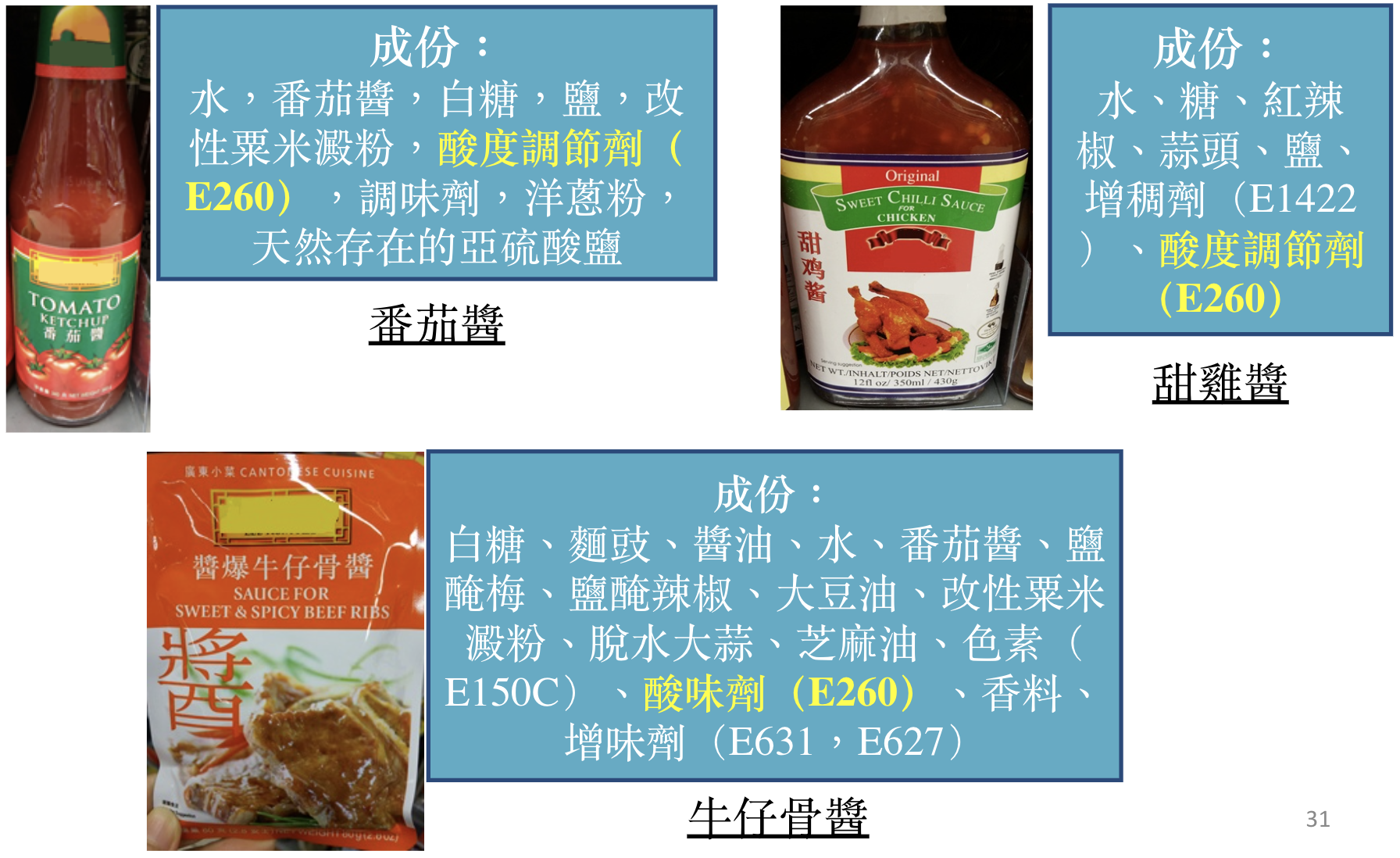
Sauce with added acetic acid (E260)
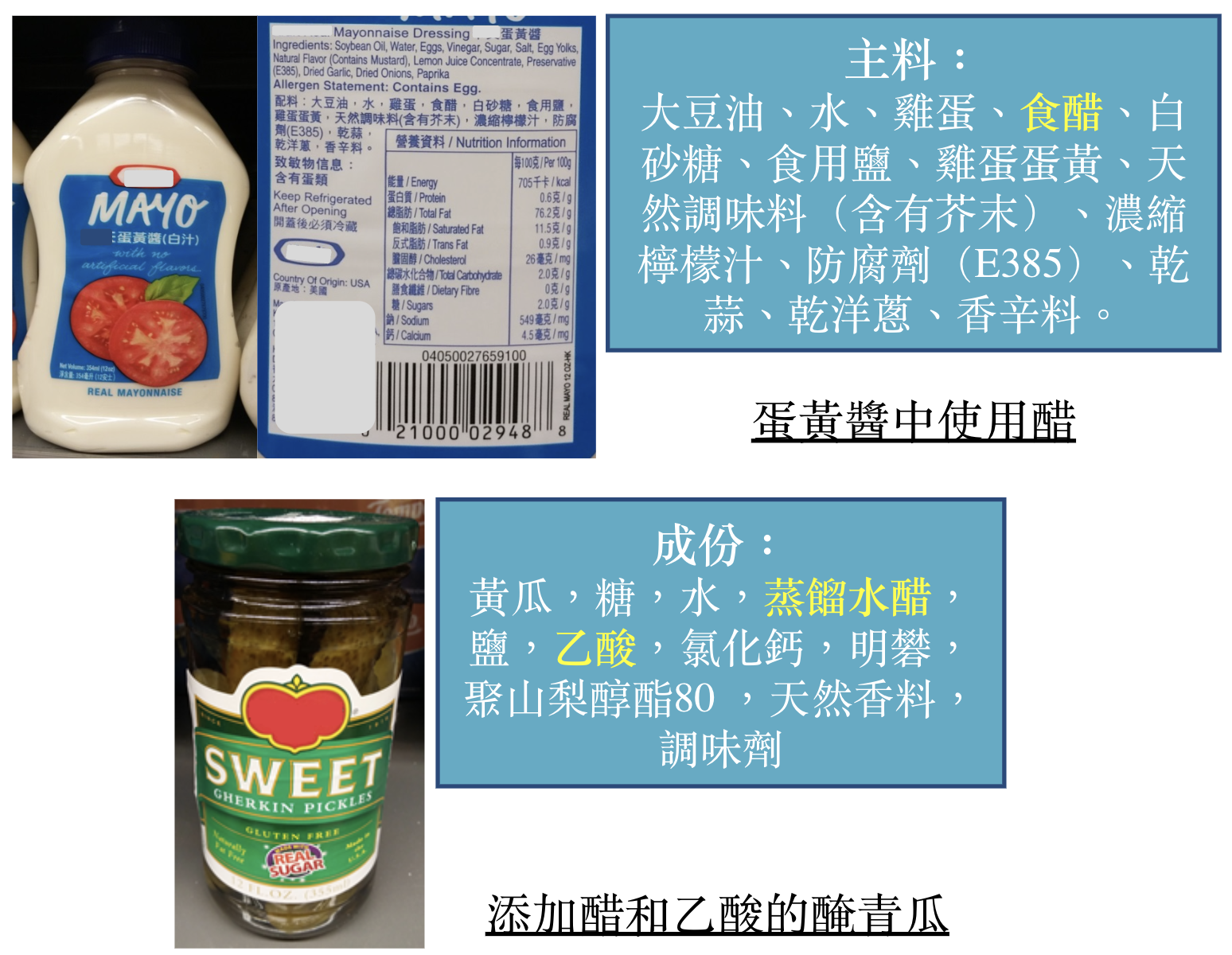
Vinegar used in mayonnaise, and pickled cucumbers with added vinegar and acetic acid
Fear of preservatives = fear of bad food producers
A question: "Would you rather eat beef without any food additives and preservatives or eat beef with food additives?"
The answers are all one-sided:
- "There is no reason not to eat beef that does not contain any food additives and preservatives!"
- "Of course I am willing to eat beef without any food additives or preservatives, especially for my children, for fear that it will be unhealthy!"
- "Normal people will choose food without food preservatives, because natural food is the safest, but in real life, it is absolutely impossible to have no preservatives!"
- "This question is like asking whether you would choose health and longevity or chronic suicide. Of course I choose the former."
- It can be seen that everyone does not trust food manufacturers, nor do they trust the guarantees of government health laws.
Food labeled "absolutely no preservatives" emerged
American McDonald's fast food restaurants all over the world also emphasize: No artificial preservatives. This may be the "wisdom" of our consumers, but will it be a "trend"? A kind of "distrust"? A kind of "contradiction" in modern life? Want to eat food without preservatives that won’t go bad and cause food poisoning?

Antioxidants are any substances added to food that can delay, slow down or prevent food from becoming rancid or tasting bad due to oxidation. Generally speaking, antioxidants are safer and have less impact on physical health. Vitamin C, for example, is a commonly used food additive to prevent spoilage. However, some research reports have found that excessive amounts of certain antioxidants added to food can increase the toxicity of carcinogens.
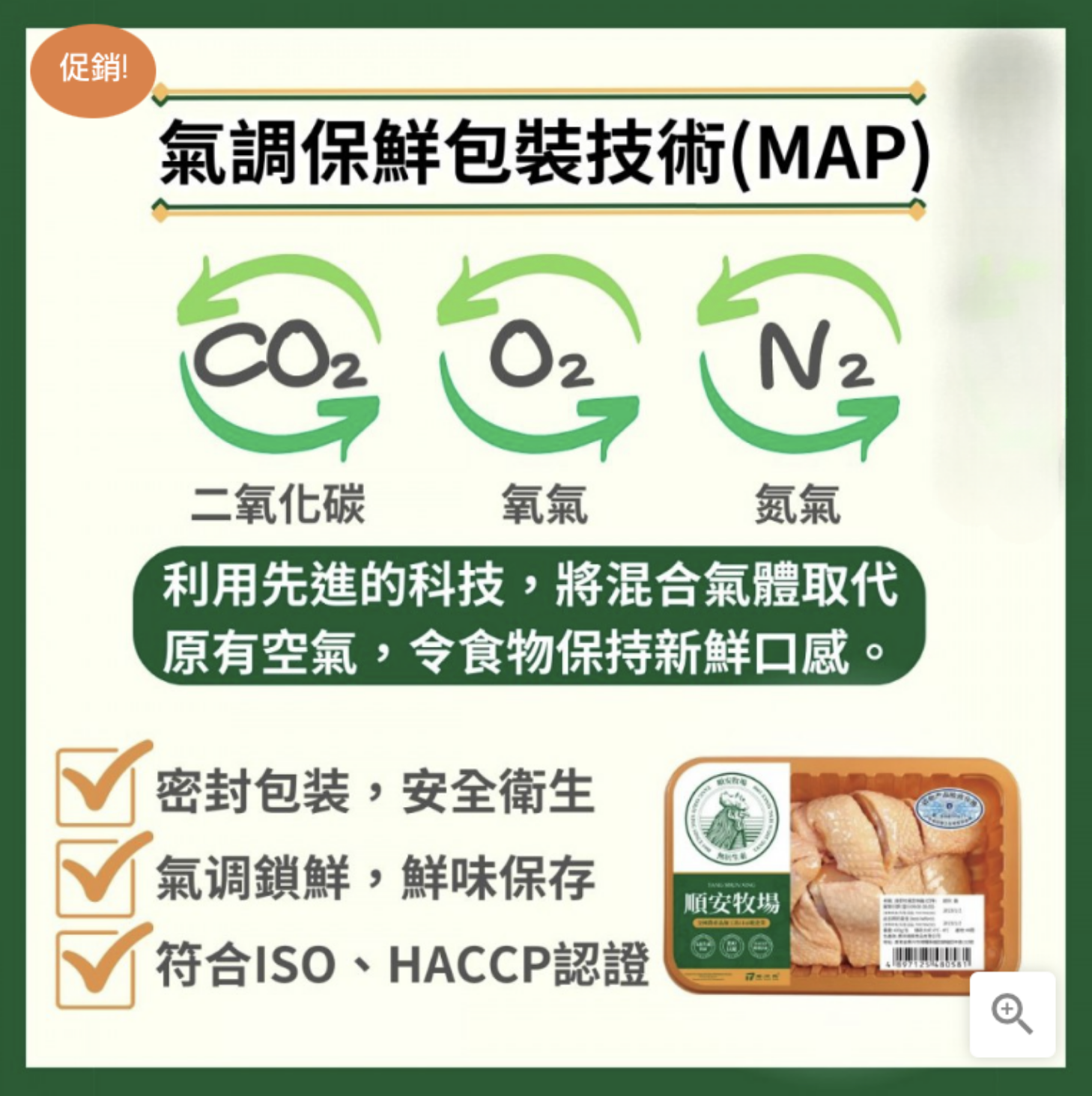
Modified atmosphere (MA)
Modified atmosphere (MA) preservation technology is a state-of-the-art preservation technology that replaces air with mixed gases, utilizing carbon dioxide, oxygen, and nitrogen to preserve the freshness of food.
Germination Inhibitors (ABA, MH)
Germination inhibitors, also known as growth inhibitors, are chemicals or methods used to prevent or delay the germination of plant seeds. These substances can be naturally occurring or synthetic, and they work by interfering with plant growth hormones or directly inhibiting the physiological process of seed germination.
Maleic hydrazide (MH) was once used to inhibit germination, but its use is currently banned due to health risks and its carcinogenicity.
Types of Germination Inhibitors and Their Mechanisms of Action:
Natural Germination Inhibitors:
Abscisic acid (ABA): A plant hormone that inhibits protein synthesis, stimulates stomatal closure, and slows seedling growth.
Methyl jasmonate: A plant hormone that inhibits seed germination and is used in potato storage.
Synthetic Germination Inhibitors:
CIPC: Once widely used in the storage of crops such as potatoes and onions, but its use is no longer permitted.
Cyclomequat: It inhibits stem growth and may also affect germination.
Other Methods:
Radiation: For example, cobalt-60 irradiation can reduce the germination rate of sweet potatoes.
Refrigeration: Storing sweet potato tubers in a low-temperature environment can effectively inhibit germination.
Special Treatment: For example, treating seeds with special methods, such as soaking or germination, can accelerate germination.
Applications and Impacts:
Storage and Preservation:
Germination inhibitors are widely used in the storage of agricultural products, such as potatoes and onions, to extend storage life and reduce losses.
In some cases, they can reduce fertility in rats. After weekly injections of 5 mg of maleic acid dimethylamine salt as maleic hydrazide for 14 months, an "unusually high" incidence of localized sarcomas was observed in 3 of 52 at-risk rats and none in the control group. In another experiment, after subcutaneous injections of 260 mg of maleic hydrazide in peanut oil for 65 weeks, three of six rats developed three localized sarcomas, one of which was also associated with liver cancer. The conclusion was that the herbicide was clearly carcinogenic.
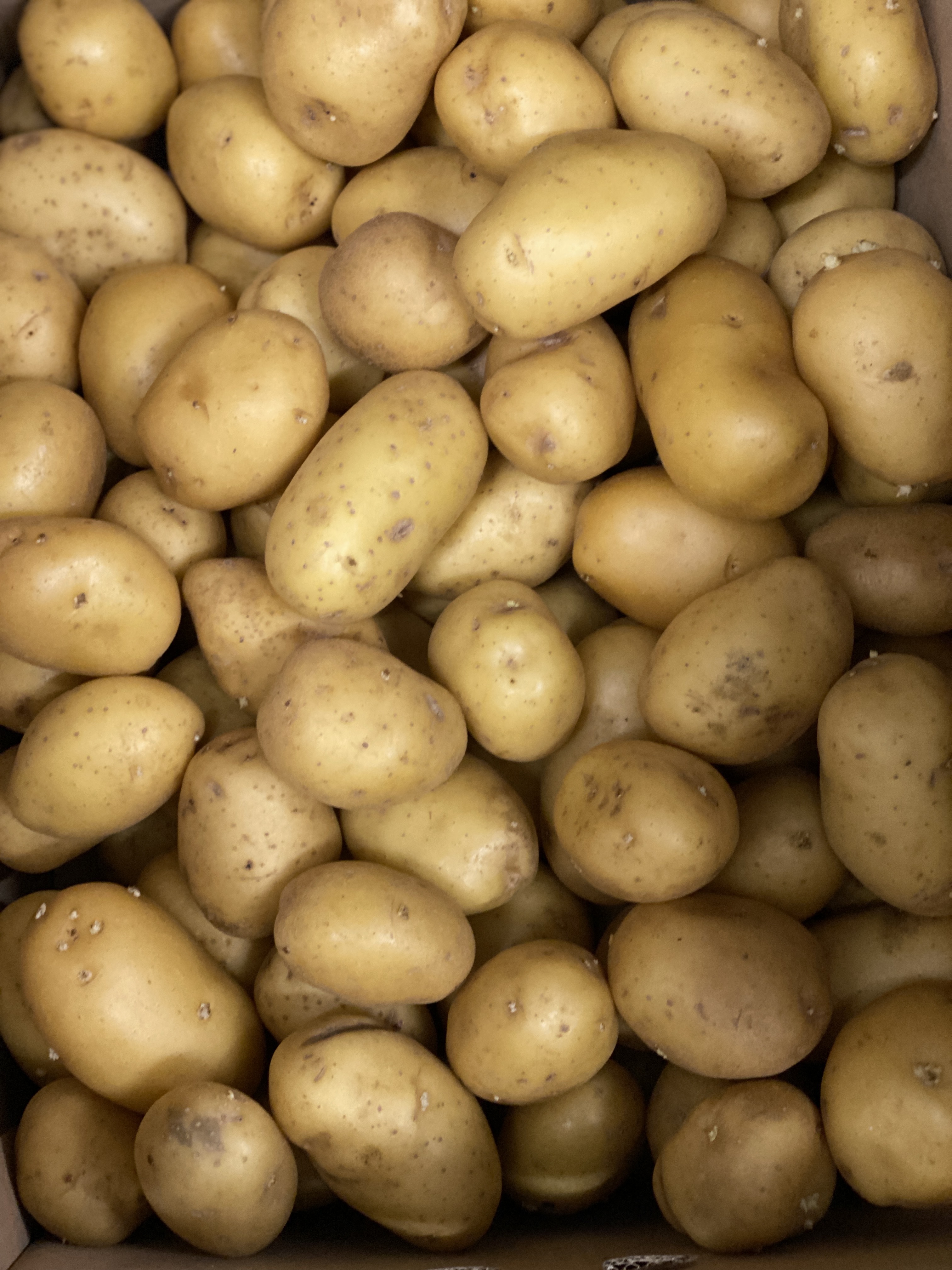
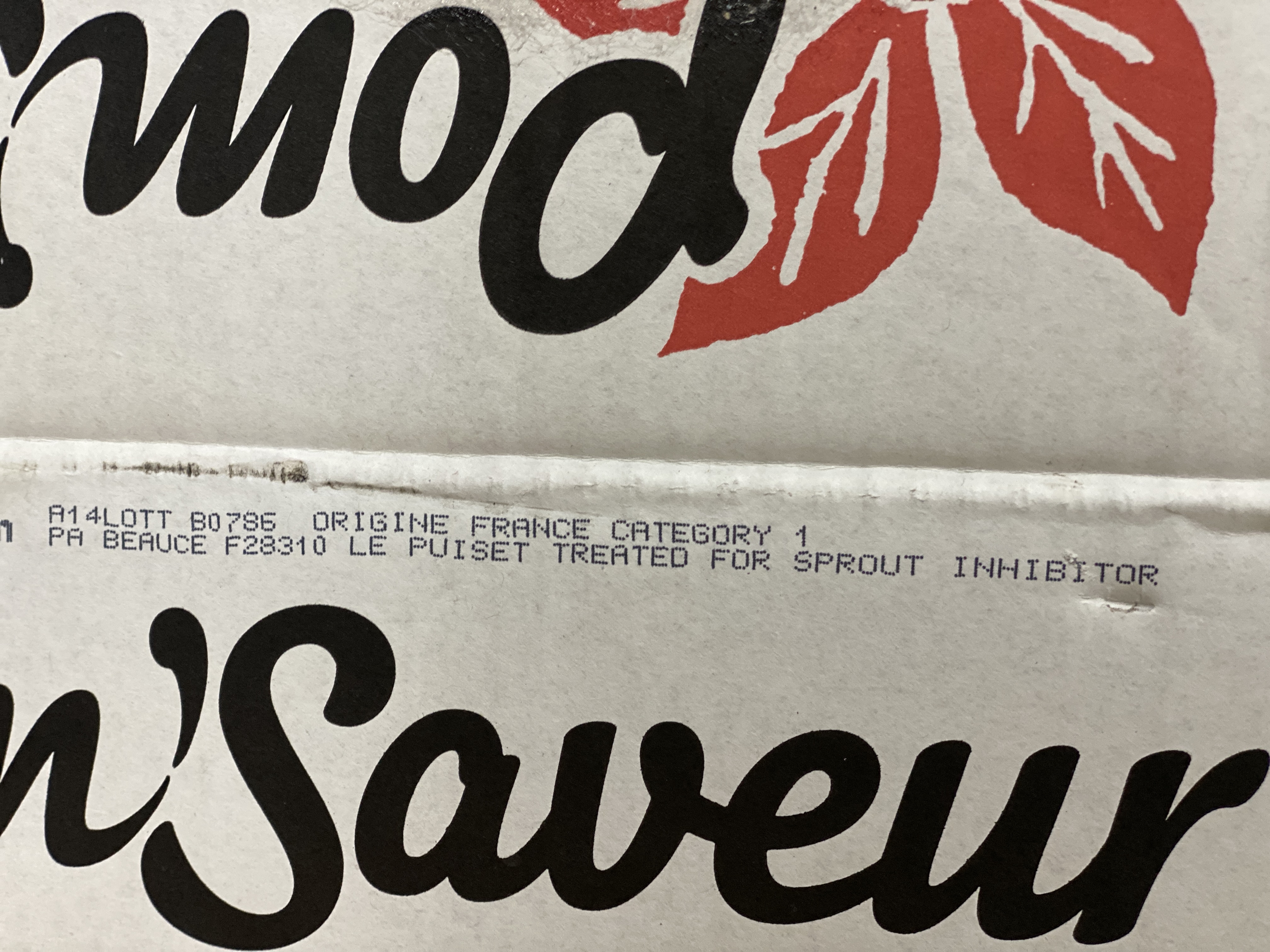
Garlic is typically stored for extended periods after harvest until market. Sprouting is a major concern during storage. Maleic hydrazide (MH) was once used to inhibit sprouting, but its use is currently prohibited due to health risks. This study was conducted to identify alternative treatments to MH for sprout inhibition. Preharvest treatments used protocatechuic acid (PCA) at 0, 500, 1,000, 1,500, 1,500, 2,000, and 2,500 ppm, and abscisic acid (ABA) at 0, 5, 10, 15, 20, and 25 ppm, with MH at 2,500 ppm applied to the leaves three weeks before harvest. Harvested garlic cloves were cured under ambient conditions and then stored at either 5°C, 90-95% relative humidity (RH), or at ambient temperature (30°C), 70-75% relative humidity (RH). The results showed that when stored at room temperature with 2,500 ppm PCA, 25 ppm ABA, and 2,500 ppm MH, the longest storage life was 300 days, with 30% of the cloves failing to germinate.
Do organic vegetables and fruits use preservatives?
Answer: No, and this is not permitted.
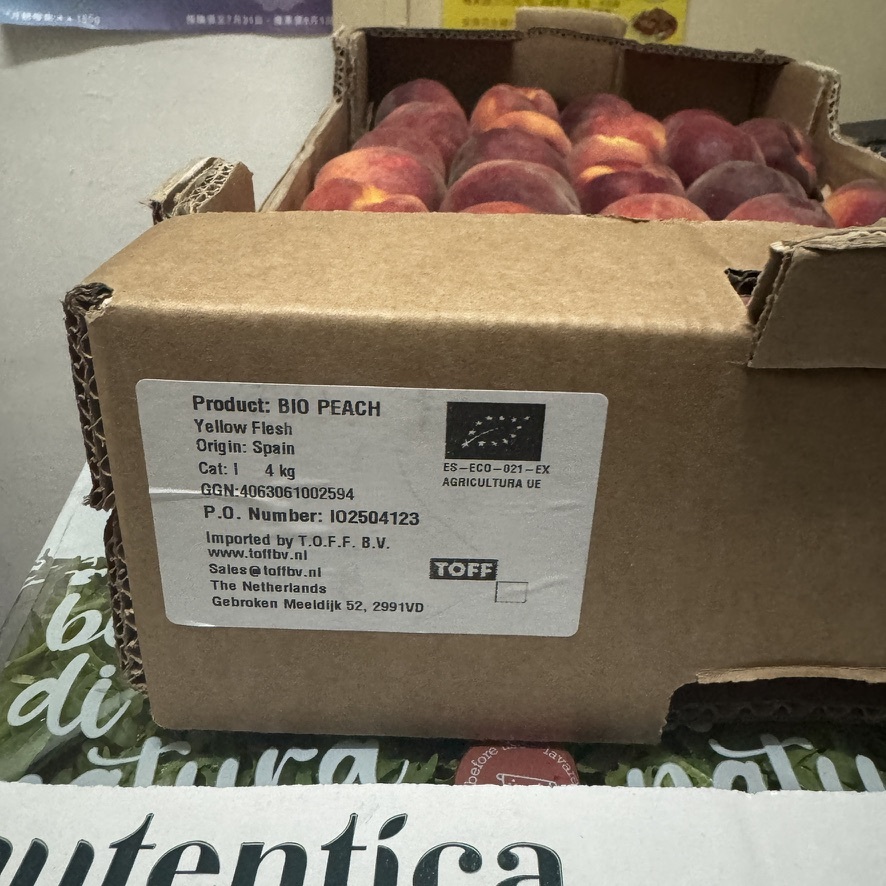
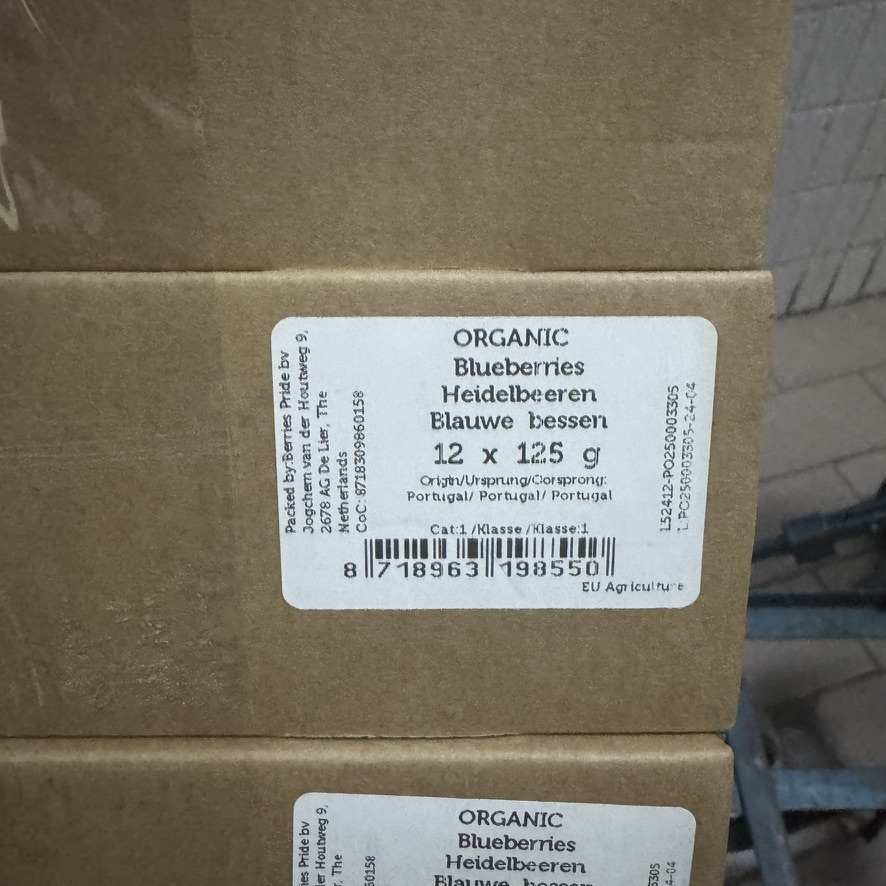
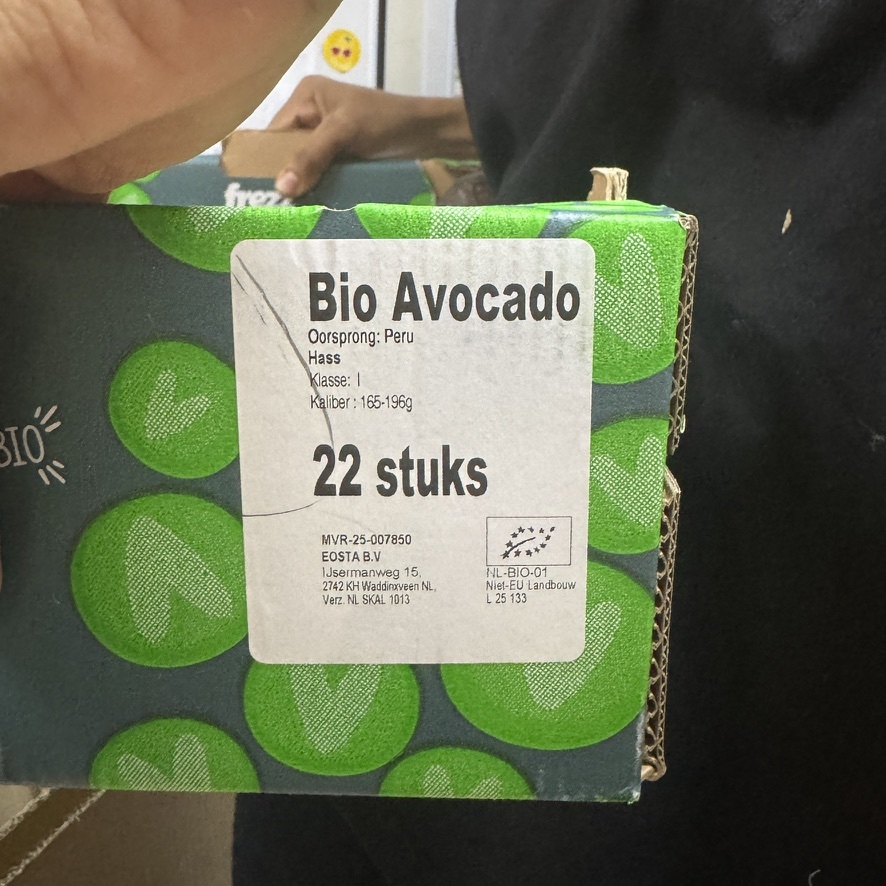
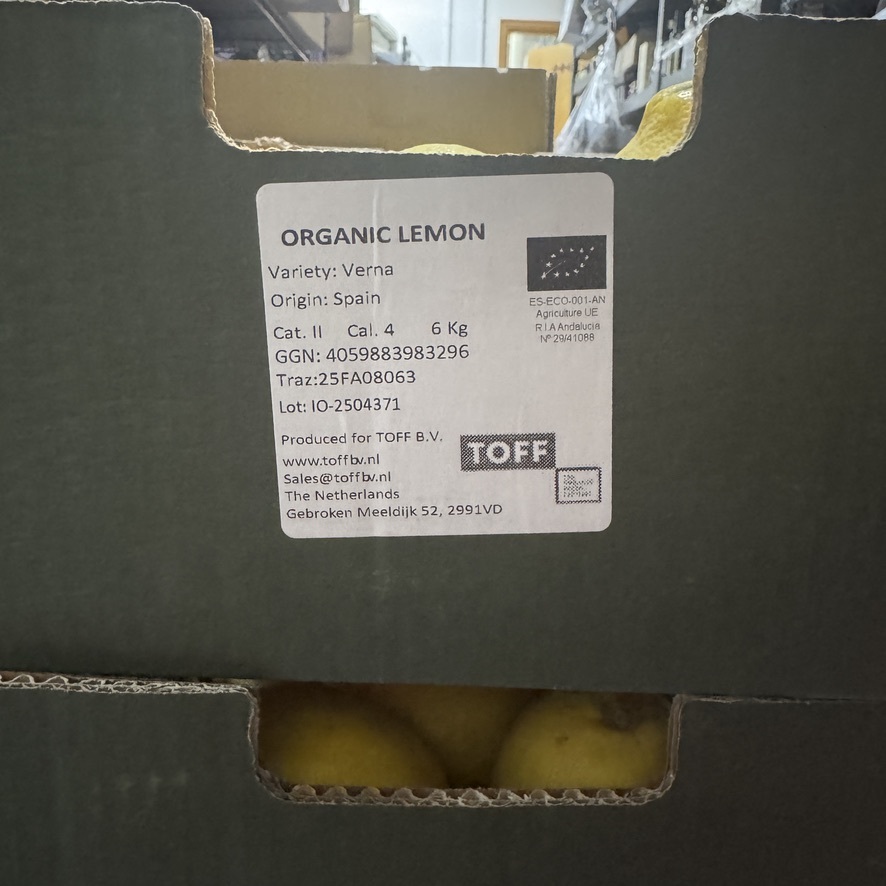
Organic vegetables and fruits generally do not use artificial or chemical preservatives, as organic food standards strictly prohibit the use of artificial preservatives, colorings, and flavorings. Even processed organic foods may only contain limited amounts of certain natural or approved ingredients, such as vitamin C and citric acid. Conventional chemical preservatives like sodium benzoate and sorbic acid are prohibited.
Fresh organic fruits and vegetables are typically kept fresh by refrigeration, vacuum packaging, and fast shipping, without the use of conventional preservatives. If an organic product claims to be additive-free, you can be assured that it is free of chemical preservatives.
Want to know how to distinguish organic from conventional fruits and vegetables?
To distinguish organic from conventional fruits and vegetables, consider the following points:
1. Organic fruits and vegetables must be labeled with a certification label (such as the Hong Kong Organic Certification Center or the International Organic Certification logo).
2. Organic fruits and vegetables will have "Organic" or "Organic" marked on the packaging, indicating more complete information.
3. Organic fruits and vegetables may not be perfectly finished; they may show insect bites or uneven color.
Safety of Preservatives vs. Effects of Human Ingestion
Generally speaking, the toxicity of food additives is very low. However, our primary concern is the safety of long-term consumption of food additives above the safety reference level. The Joint Food and Agriculture Organization/World Health Organization Expert Committee on Food Additives (JECFA) is an international food safety body responsible for collecting and analyzing scientific data on food additives and establishing safety reference levels (i.e., Acceptable Daily Intakes (ADIs)) for evaluated food additives. The JECFA also makes recommendations on safe levels of food additives.
The ADI for a chemical is the estimated daily intake of a chemical from food or water, calculated based on a person's body weight, over a lifetime without posing a health risk. Exceeding the ADI does not necessarily mean that health will be adversely affected. Because the ADI is based on lifetime intake, occasional exposure above the ADI is not likely to affect health as long as it is not exceeded over a long period of time.
However, a small number of people cannot tolerate the effects of certain food additives, and consuming even small amounts of these additives may cause acute effects on their health. For example, in some individuals who are sensitive to sulfur dioxide, ingesting even small amounts of it may cause bronchoconstriction and asthma.
References
JECFA Food Additives Website
JECFA is an international scientific expert committee administered jointly by the Food and Agriculture Organization of the United Nations (FAO) and WHO (農組織/世衛組織食品添加物聯合專家委員會).
This searchable database contains summaries of all JECFA evaluations on flavorings, food additives, contaminants, toxicants, and veterinary drugs. Each summary includes basic chemical information, the ADI/TDI, links to the latest reports and monographs, the specification database, and a history of JECFA evaluations. The database can be searched by partial name or CAS number, first character (letter or symbol), or functional class.
The industry can also access the JECFA website for reference on food additive safety assessments and specifications.


