Every summer, the most anticipated fruit is the juicy and sweet mango. Whether it is eaten directly or made into ice cream or dessert, it is quite delicious. The most common mango varieties on the market are "Aiwen, Jinhuang, Philippine mango, Thai mango, Narcissus mango" and other familiar varieties. There are also some improved varieties with good flavor!
Common mango varieties
Philippine Luzon mango (菲律賓呂宋芒 )
Production season: ~ all year round
Eating mangoes is up to people. Relatively speaking, Philippine mangoes are much cheaper, only ten or eight yuan per piece, and they are available almost all year round. Since China called the Philippines "Luzon" in ancient times, Hong Kong people generally call mangoes produced in the Philippines "Luzon mangoes". Regardless of size, the common point is sweetness and strong mango flavor. Due to the stable supply, dessert shops love to use it to make mango desserts, such as mango sago, mango glutinous rice, mango pudding, etc.
Aiwen mango (愛文芒果)
Production season: April to August
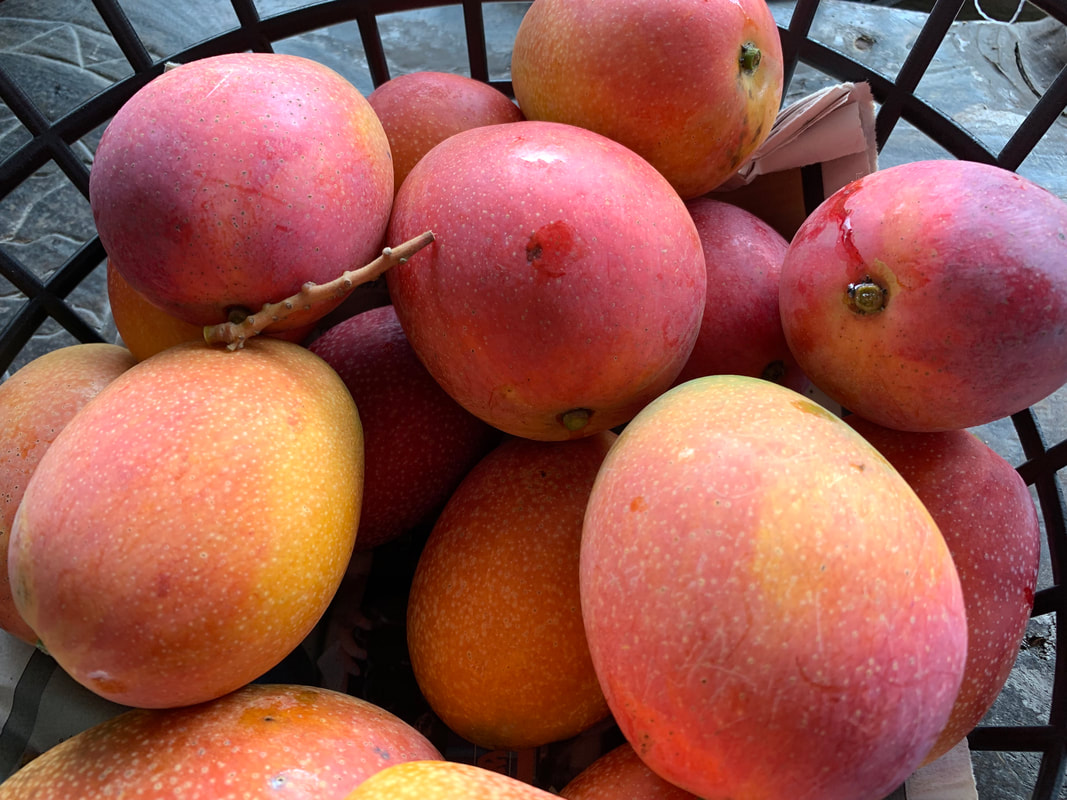
Features: Red skin and yellow flesh, strong aroma, red appearance like an apple, also known as "apple mango"; in addition, because the flesh is golden, it is also called "sun fruit". When selecting, if the surface color is red and the tail is not green, it means it is ripe enough and tastes sweet. The temperature in the south is high, the sunshine is sufficient, and the warm south wind brings moisture from the sea surface, which brings salt that will increase the sweetness of Ivan mango. Pingtung Fangshan, Shizi and Tainan Yujing, Nanhua and other places are the main production areas of Ivan mango because of the well-drained sandy terrain on the hillside and suitable weather.
Thai Red Ruby Mango (泰國紅鑽芒 )
Production season: May to June
Mangoes produced in Thailand are also very famous. Because mangoes were introduced to Thailand from India, it has a history of more than 700 years, and Thais have cultivated more than ten varieties. There are round, oval, and heart-shaped, and the skin is green, light yellow and dark red. In recent years, Thai Narcissus mangoes have become more popular among mango fans. They have a lot of flesh, small cores, and a fresh fruity aroma. In addition to eating it raw, Thais also use it to make ice cream, jelly, and traditional Thai desserts - mango with sticky rice.
Thai Red Diamond mangoes are another highlight, which have recently landed in Hong Kong. Each weighs 750 to 1000 grams, and the sweetness is generally 17 to 18 degrees. The flesh has a unique floral fragrance and is tender and juicy. Because it is only harvested once a year and is very sensitive to water and soil, it must be fully supervised by agricultural experts during planting, so the supply is limited and it is not easy to find in Hong Kong. If you want to eat it, you have to make an order from the supplier. The price is certainly not cheap, and each one sells for fifty or sixty yuan.
Japanese Kyushu Miyazaki Fully Ripe Mango (宮崎完熟芒果)
Production season: May to June
Japanese mangoes have also been common in Japanese supermarkets in recent years and are sold at a very high price. Kyushu Miyazaki Fully Ripe Mangoes, known as the "Eggs of the Sun", were once sold at a high price of more than two thousand yuan per box, becoming the most expensive mango in the world. The reason is that they are cultivated in a greenhouse. The temperature in the greenhouse is maintained above 25 degrees Celsius throughout the year. Each tree has a maximum of 80 mangoes. If they grow too much, they will be picked for fertilizer to make the nutrients of the fruit tree more concentrated. They will be harvested only when they are fully ripe. Desserts are generally very sweet, with an average sweetness of 17. Those who love sweetness will like it.
Small Native Mango / Indigenous Mango (土芒果)
Production season: May to July
Taiwanese mangoes are also deeply rooted in Hong Kong. They are available in supermarkets and fruit stalls. There are mainly two types. One is native green mango, which Taiwanese people call "檨仔". It has green skin and less flesh, and is usually pickled into dried fruits. Local mango is commonly known as "local 檨仔" and is the earliest mango variety in Taiwan. The appearance of local mango is green and yellow. Because the fruit is small, the flesh is thin and the fiber is coarse; however, the fragrance is quite strong, and the sweet and sour taste is the old-fashioned taste that many people like. The young fruits that are five or six points ripe are mostly pickled into "lover fruit" (mango green), and can also be processed into candied fruit, dried mango, etc. after maturity.
When choosing, if the skin has a little bit of fruit powder, it means it is very fresh. After two days, the surface will gradually become shiny. Local mangoes are usually eaten whole after peeling. It is recommended to check the skin twice before eating to see if it is intact and whether there are small holes where small insects have drilled.
Yuwen mango (玉文芒果)
Production season: May to July

Features: It was cultivated by Mr. Guo Wenzhong from Yujing Township, Tainan, using "Jinhuang" + "Aiwen". It was named "Yuwen" after Yujing and the first character of his name. It has the characteristics of Jinhuang's large fruit grains and Aiwen's fragrance and sweetness. The fruit grains are between the two; the ripe fruit skin is a pleasing red, and the sweetness is higher than Aiwen.
Xiaxue mango (夏雪芒果)
Production season: June to July
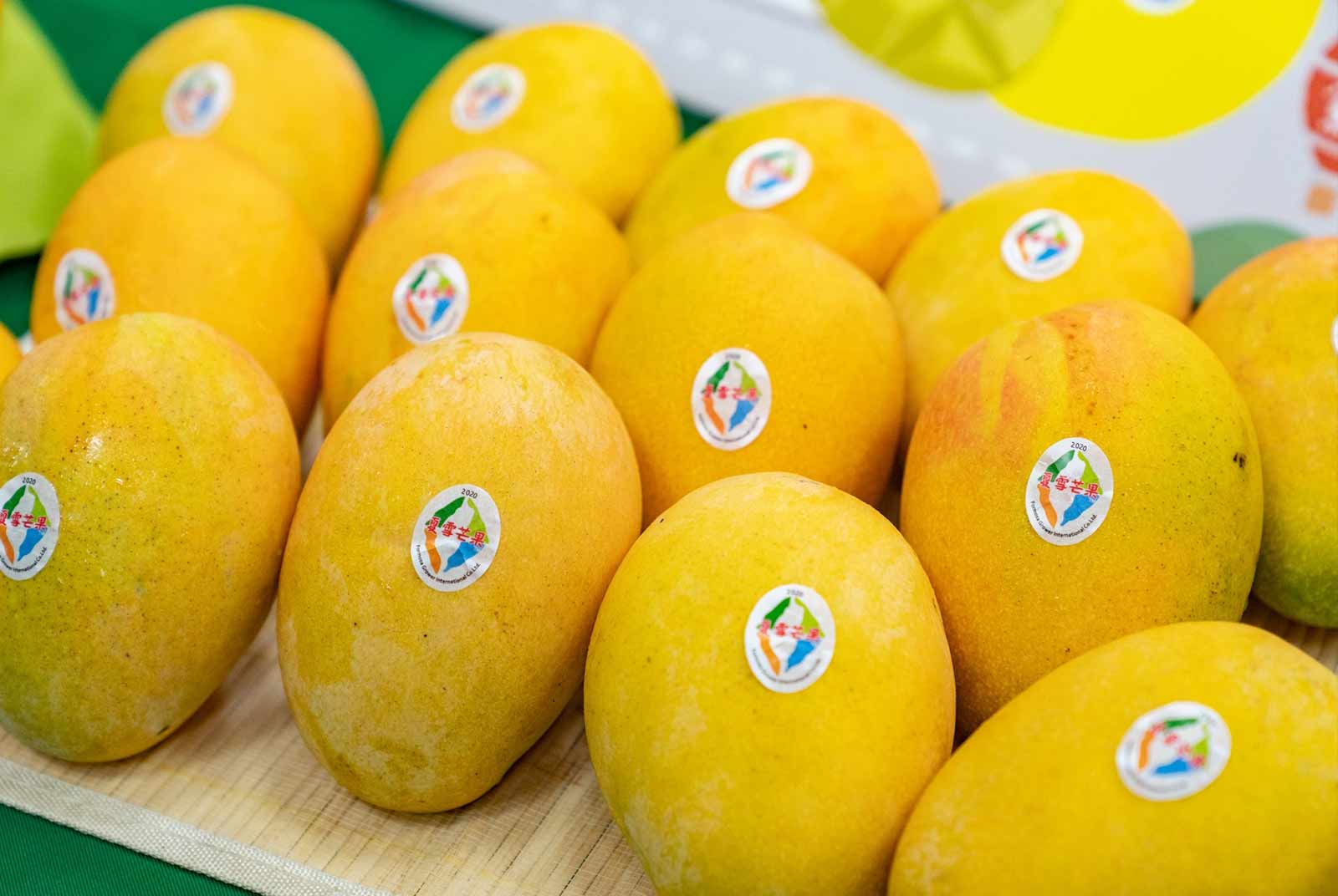
Also known as "Kaohsiung No. 3", unlike Aiwen, which is an imported foreign variety, Xiaxue is completely researched and cultivated by Taiwanese people. It is the first patented mango in Taiwan; but the price is also higher, about 3 times the price of ordinary Aiwen. More than half of the production of summer snow mangoes is in Taitung. The characteristics are large fruit, high flesh rate and small core, and the strong mango aroma.
Indian Alphonso mango (印度阿芳素芒)
Production season: April to June
Alphonso mango is one of the best mango varieties in India and also the most expensive mango variety. If you like to eat mangoes, how can you miss the most advanced variety in India - Alphonso, which is praised by Indians as the "king of mangoes". Compared with other mangoes, the biggest feature of Alphonso is that it has a unique fragrance, like coconut mixed with spices, which can be smelled if you get closer.
It has an oblate shape, as big as a fist, and the flesh is dark orange. The mango flavor is strong and distinct, the sweetness is quite high, the juice is rich, and the flesh is smooth. This kind of mango is not only loved by Indians, but also sold well in the United Kingdom, the United States, Europe, and the Middle East. It is rumored that more than half of the Alphonso produced in India is sold abroad.
Chaunsa mango (喬薩芒果)
Season: July-August
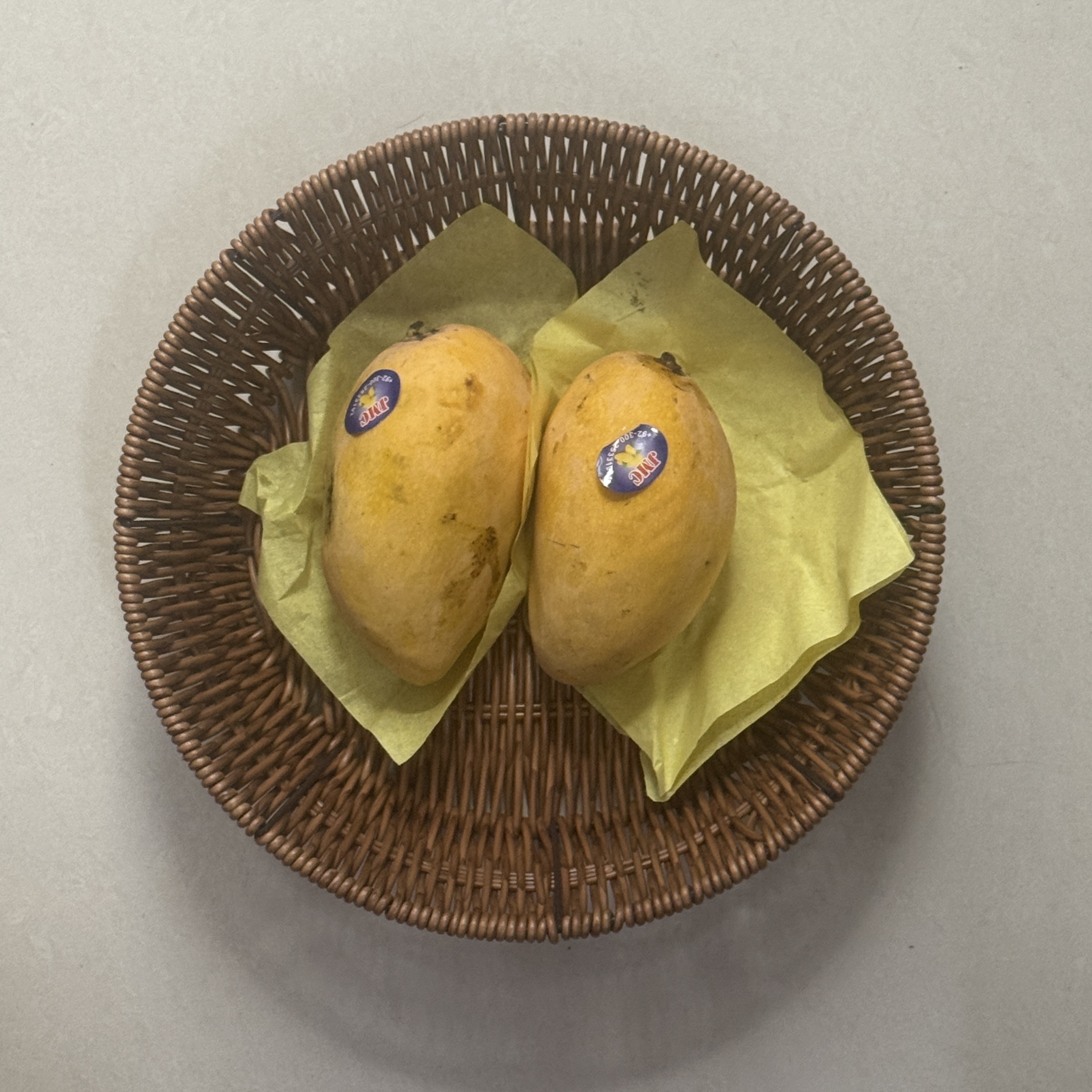
This variety is popular in North India and Bihar and was introduced by Sher Shah Suri during his reign in the 16th century. Named after a town in Bihar, this variety is characterized by very sweet flesh and bright yellow skin. It is characterized by golden yellow.
Langra mango (蘭格拉芒果)
Season: July-August
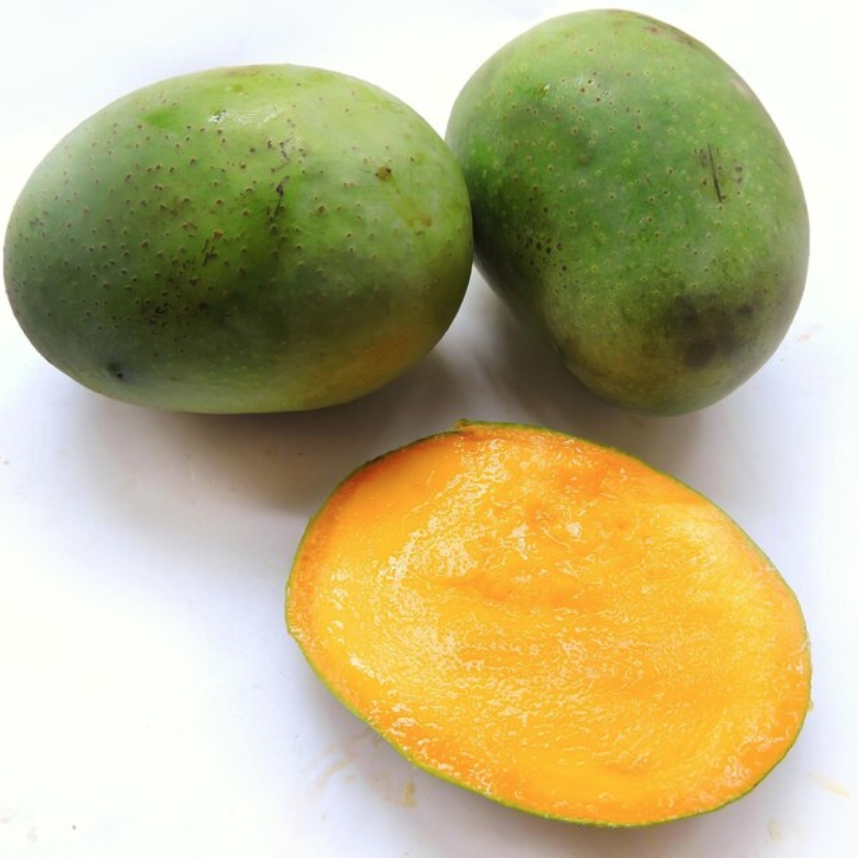
Langra is a famous variety of mango, native to Varanasi, Uttar Pradesh. If you look at the name, it is called Langra because it was originally grown in the farmland of a legless man. It is available from July to August. It is oval in shape and green even when ripe.
Golden Honey Mango (金蜜芒果)
Season: Early July-August
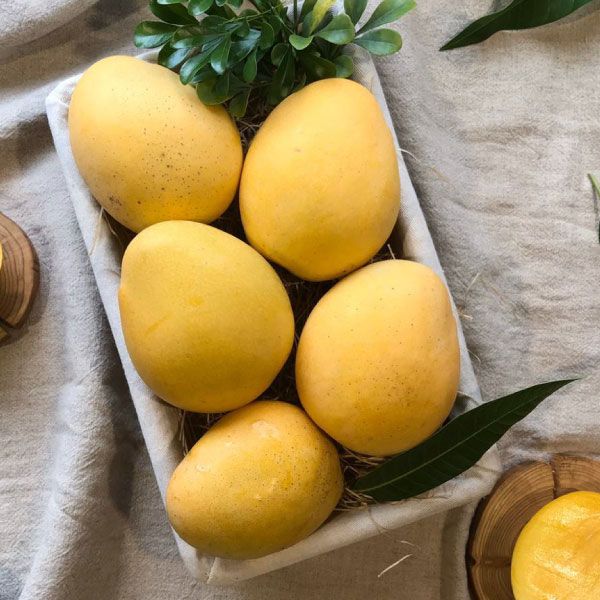
Golden Honey mango is endemic to Taiwan and is a specialty of Puxin Township, Changhua County, accounting for 95% of the country's production. The characteristic is that the fruit has a convex spot on the outside, tastes like earthy mango, and has a sweetness of up to 21 degrees, which is very popular in the market.
Golden Huang Mango (金煌芒果)
Production Season: August to October
The fruit is long and large like a papaya. The advantages are that the flesh is rich and the fiber is fine, but the mango flavor is not as strong as that of the Aiwen. Most of the mango ice and mango smoothies on the market use Golden Mango.

The Golden Mango cannot be harvested when the fruit is yellow on the tree (commonly known as yellowing on the tree), because the flesh of the fully ripe fruit will become rotten and deteriorate. Therefore, it is better to harvest hard-ripe fruit, which is 7 to 8 minutes ripe, and then artificially ripen it for sale. The color of the ripened fruit skin is just as its name "Golden", showing golden yellow.
Keitt Mango (凱特芒果)
Production Season: September to October
The latest ripening variety in Taiwan, commonly known as September mango or September mango. Kate mango is oval in shape, similar to Aiwen, but the fruit is larger. The color of the peel is a gradient of green and yellow from bottom to top, and some fruits have a touch of pink on the upper half; the main reason for the different fruit colors is the different colors of the paper bags used during planting, and golden yellow is generally more common.
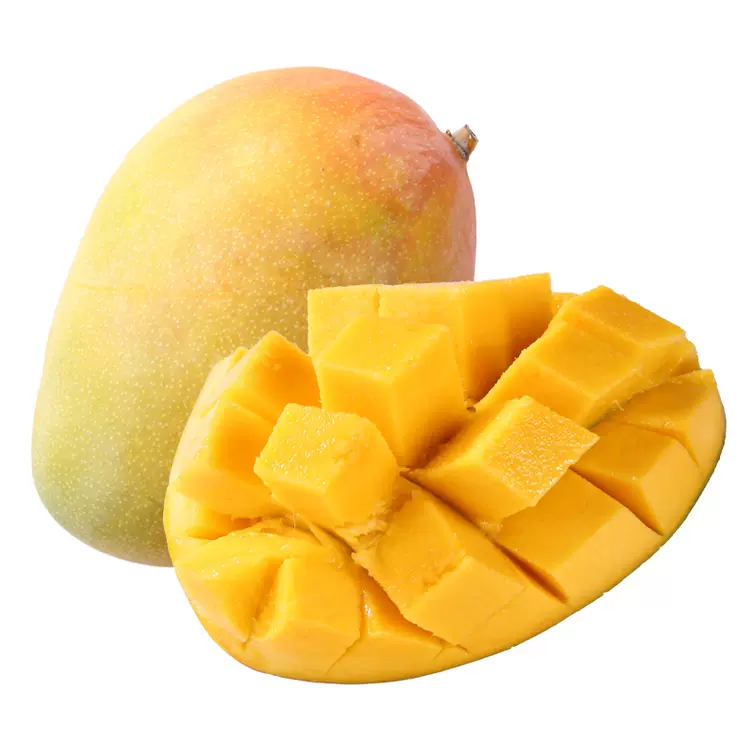
The flesh of Keitt mango has less fiber, and its characteristic is that it tastes sweet and sour, not greasy, and the flesh near the seeds is slightly sour. Because Kate mangoes are harvested before they are fully ripe, they need to be left for about 3 to 5 days after they are brought home to naturally reduce the acidity and ripen before they taste better.


