"The progress of science and technology has led to many technological innovations. While people are worried about radiation contamination of food, they should also understand radiation-exposed food. Don't let fear cloud your rationality. At the same time, consumers also need the right to know about food!"
If a label "Radiated for freshness" is added to fruits, will it cause panic among consumers?
If it were actually written like this, it might raise some eyebrows among consumers, but the label has secured $20 million worth of Vietnamese exports to the United States each year. The use of irradiation to rid fruits of pests is gaining attention in the high-volume agricultural trade, and Vietnam, with help from the International Atomic Energy Agency (IAEA) and the UN Food and Agriculture Organization (FAO), now plans to expand the service to compete in other markets.
However, local governments have also stipulated that food that has been irradiated should be prominently marked with the "Radiation Treatment Mark" (as shown below) on the packaging so that the public can clearly identify it.


Radura symbol used to indicate that food has been treated with ionizing radiation (US FDA version and international versions)
Food irradiation is already used to sterilize and prolong the shelf life of food. In supermarkets, for example, in the Netherlands, signs selling irradiated mushrooms are common, explaining the process and the benefits of the treated product. Commodities such as spices, herbs and vegetable seasonings are also or have undergone food irradiation to extend their shelf life. If products are not treated, pests can remain in agricultural products and hitch a ride abroad through trade, where they can harm local food production and the environment when they multiply and spread in destination countries. They use low levels of radiation to kill microorganisms, such as bacteria or fungi, that could spoil the food. Low levels of radiation would also prevent insects from reproducing.
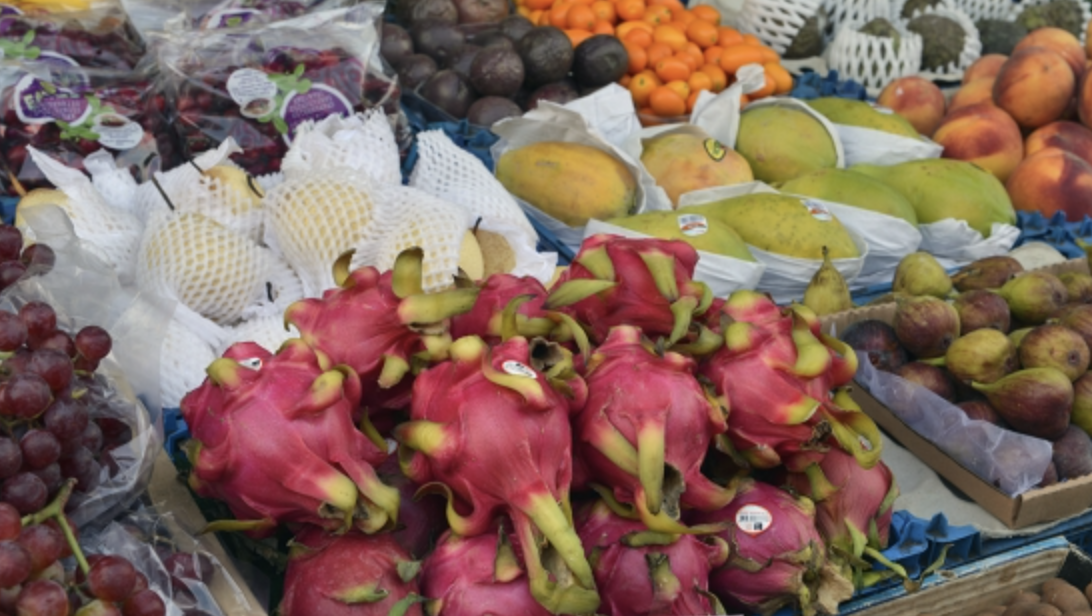
Earlier, the Minister of Agriculture of a certain country once said that food irradiation was used because this technology could reduce food losses and promote agricultural product exports. These foods are often used, including mango, dragon fruit and lychee, which are mainly exported to the United States, as well as fresh and frozen shrimp and oysters. Detection of the Mediterranean fruit fly in fresh fruit and vegetables has led to immediate import bans, with devastating consequences for the exporting country.
Did you know that the fruits you buy in the market are treated with chemicals?
Irradiation is increasingly used to sterilize fruit before export
Common methods of treating fruit and vegetables to sterilize them include fumigation with chemicals such as sulfur dioxide (which can leave residues harmful to humans and the environment) or heat treatment (which can change taste and texture). In addition, irradiation using low-dose gamma rays, electron beams (e-beams) or X-rays can be used. The benefit of this technology is that large quantities of food can be processed without compromising quality.
Food irradiation is a type of "cold sterilization" technology, and it has a history of more than 50 years since its development in 1964. The principle is to irradiate food with radiation such as X-rays, gamma rays or electron ionization radiation, so that the DNA structure of microorganisms and pests that may exist in the food is destroyed by the radiation energy, making it impossible for them to reproduce and achieve the effect of killing insects and sterilizing, preserving and preserving freshness, or further inhibiting the germination of plants after harvest by destroying the enzymes in the organisms.
India, Thailand and Vietnam, for example, are using food irradiation, as are countries such as the United States, Australia and New Zealand, which rely on this method to ensure the safety of imported products.
With support from the International Atomic Energy Agency, local experts began studying food irradiation in the late 1990s. Currently, gamma rays are the most commonly used, and can process about 1 ton of fruit per hour. Vietnam and Thailand use gamma and X-rays to irradiate an average of 200 tonnes of fresh export fruit per week.
Correct use of radiation irradiated food can effectively help prevent the spread of agricultural products
In fact, as long as it is used correctly, radiation can have positive uses. With the prevalence of international trade, "radiation irradiation" has also become an effective solution for agricultural product prevention work, avoiding the cross-border spread of many harmful microorganisms. Compared with the common high-temperature sterilization method, it is widely used by various countries in the processing of international agricultural products and food trade because it can better retain the original nutrients of food, reduce the use of chemical preservatives, has strong penetrating power without being restricted by product packaging, and has low energy consumption.
Taiwan will release a video to explain whether radiation will remain after food irradiation. (Video source: Taiwan Executive Yuan Nuclear Energy Committee)
How do you know which foods have been irradiated?
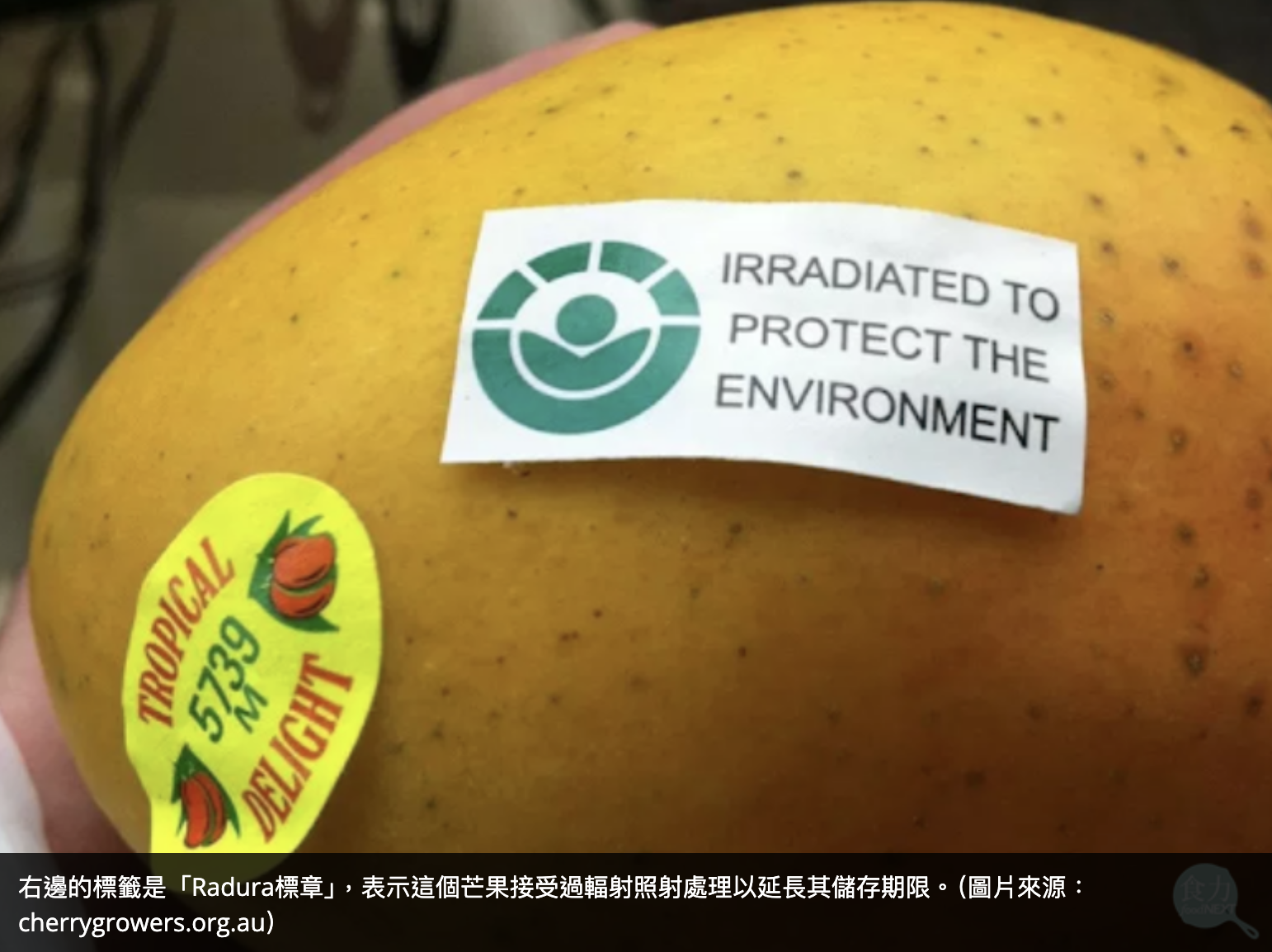
The most commonly used vegetables and fruits for radiation treatment include mushrooms, potatoes, sweet potatoes, onions, garlic, ginger, and tropical fruits produced in Southeast Asia (mango, longan, pitaya, lychee and passion fruit). They can be irradiated according to regulations to inhibit germination that may occur after harvest. Some dried or dehydrated seasoning plants (including herbs, seeds, spices, tea, and vegetable seasonings) can also achieve the effect of pest control and sterilization through appropriate food radiation irradiation. In addition, there are relevant restrictions on the use of frozen livestock meat, chilled poultry, beans, cereals and other foods. Many imported garlic and potato products currently on the market also use radiation irradiation technology to prevent sprouting.
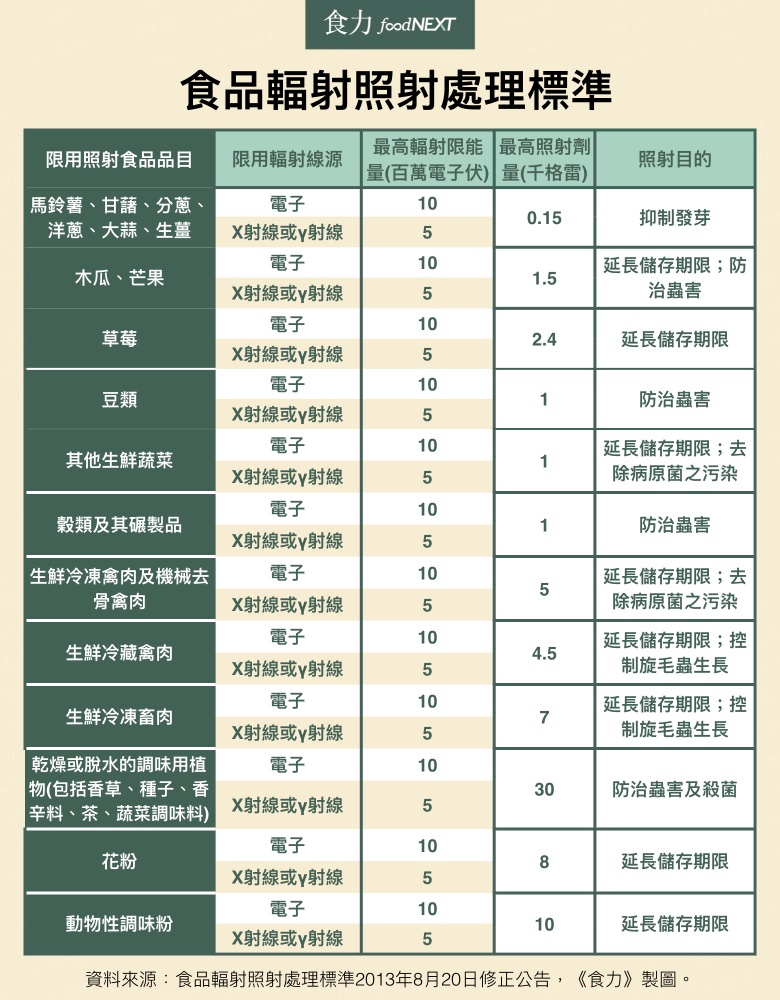
Since people’s views on Radura are often intertwined with interpretations of radiation. Food radiation has not yet been widely adopted in some U.S. states due to negative public perceptions, concerns expressed by some consumer groups, and hesitation from many food producers. On the other hand, proponents of food radiation are frustrated by the proposal to use international warning signs to indicate radiation hazards or biohazards because of consumer concerns.
The European Community (EU) then simply does not provide the use of the Radura logo, but relies entirely on the appropriate phrases in the respective languages of the Member States for labeling, irradiating ingredients must be labeled, and also requires that until the last ingredient contained in the final product is required; However, we have never seen the relevant markings in Hong Kong, let alone the Radura markings.
As part of the U.S. approval, the U.S. Food and Drug Administration (FDA) has required since 1986 that irradiated foods must be labeled as “treated with radiation” or “treated with radiation” and Radura. In the United States, irradiation labeling requirements apply only to foods sold in stores. For example, irradiated spices or fresh strawberries should be labeled. Irradiated labels do not apply to restaurant food or processed food. (Note: The mandatory Radura logo is designed slightly differently than the Codex Alimentarius version according to FDA regulations.)
Consumer groups believe that such requirements would be useful information for consumers concerned about food irradiation.
Will it affect health?
In fact, this proposition is the same as the question of whether there is any residual radiation in food cooked in a microwave oven. The current scientific insights and consumers' concerns are about the same topic.
I once heard an expert make this analogy: eating nuclear-radiated food is like eating food that is on fire, and it is still burning in your stomach; whereas irradiated food is like carefully baked sweet potatoes that you can enjoy with peace of mind.
First of all, “food exposed to radiation” and “food contaminated by radiation” are not exactly the same!
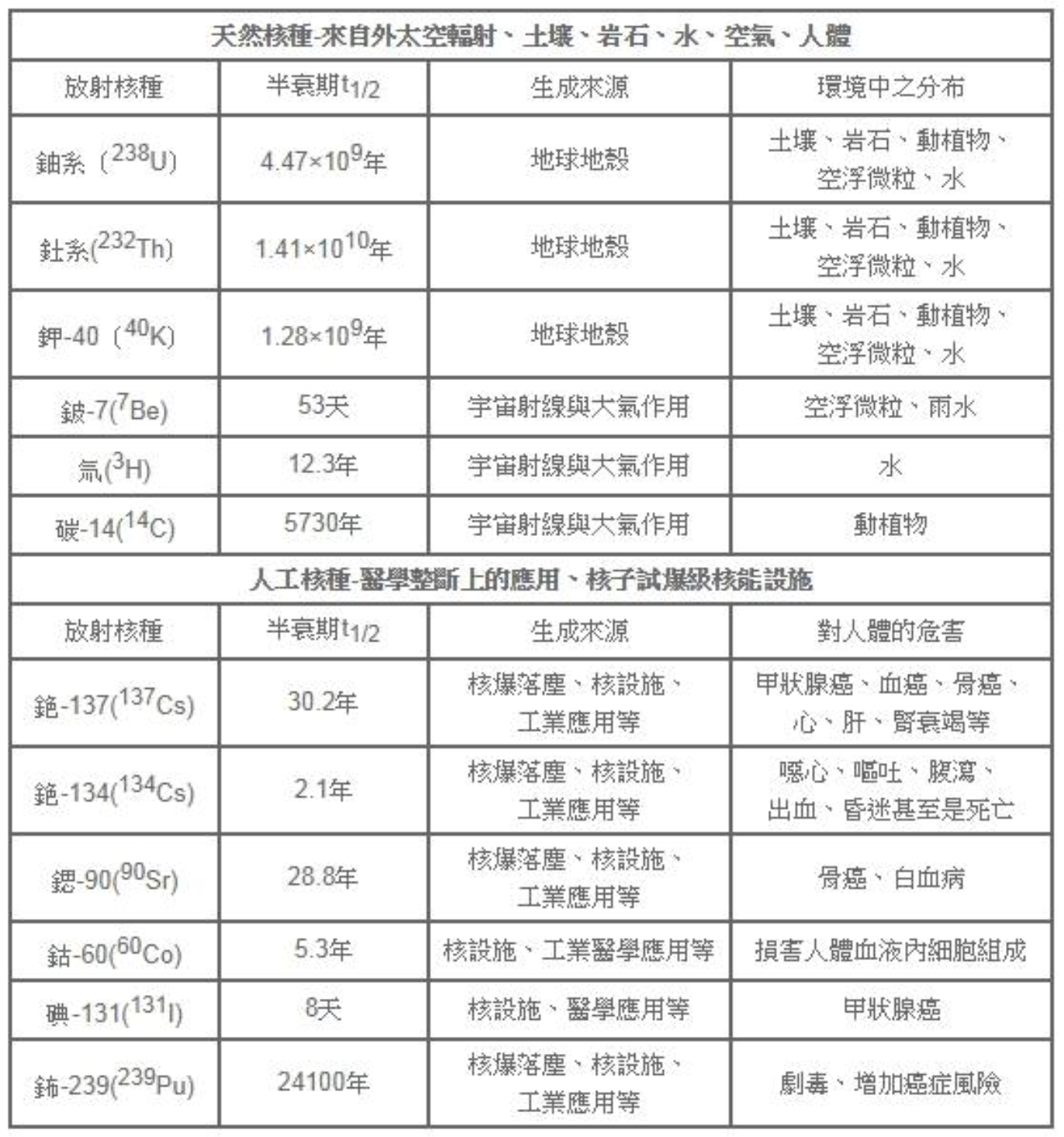
"Radiation-contaminated food" is generally referred to as leaked radioactive elements that settle on the surface of food, or enter the soil and water sources through the air and rainwater, further contaminating crops and animals that eat them, entering our food chain and causing health hazards. The main factors that affect human health are radioactive iodine (iodine-131) and radioactive cesium (cesium-134 and cesium-137), which can damage human cells and DNA and eventually lead to cancer.
"Irradiated food" receives the "energy" of ionizing radiation (such as Cobalt-60 or Cesium-137) rather than radioactive substances. In addition, under the irradiation conditions stipulated by general regulations, the energy intensity is relatively weak, and the food does not directly contact the radiation source, so the food does not have "radioactive residue" after irradiation.
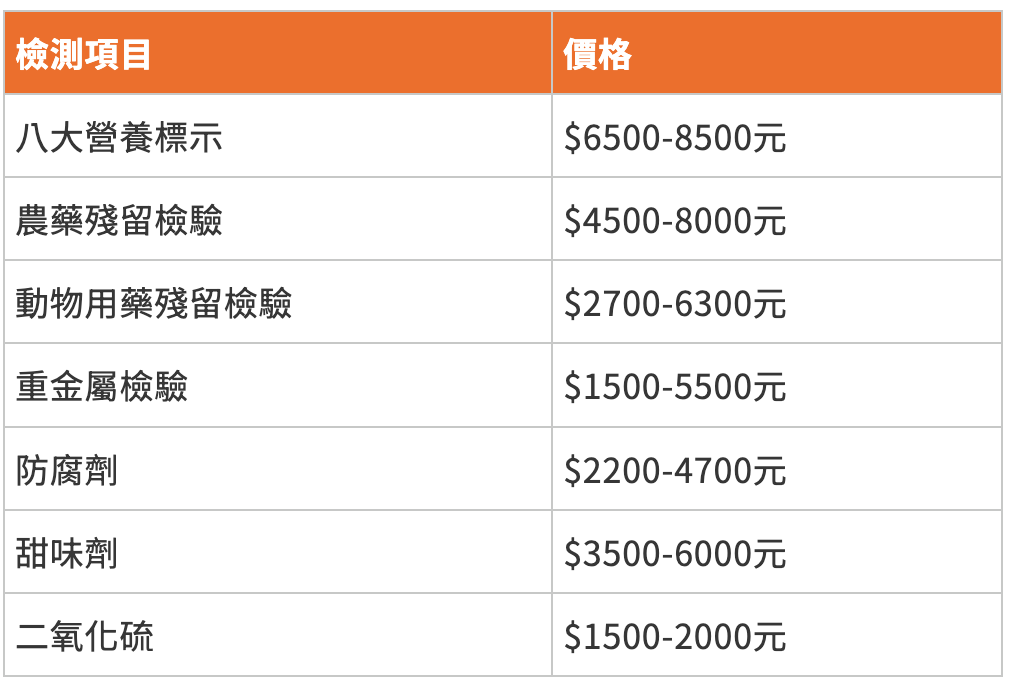
Common imported food inspection items and fees in the market (source : Taiwan SGS, prices in New Taiwan dollars TWD)
Research by the International Atomic Energy Agency shows that if food is irradiated with cobalt-60 or cesium-137 gamma rays with an average dose of less than 60 kilogray (㏉), electron beams with an energy of 10 MeV, or X-rays produced by electron beams with an energy of less than 5 MeV, the increase in background radiation caused by human consumption of these irradiated foods is very small, and can be said to be close to zero.
Radiation safety vs microbiological safety vs toxicological safety
A research document from the Center for Food Safety revealed that during the irradiation process, food passes through the irradiation zone at a set speed to control the energy or radiation dose absorbed by the food. In a controlled environment, food does not come into direct contact with the radiation source. However, some studies have shown that ground beef or beef scraps can be detected to be induced radioactive after being irradiated with X-rays produced by 7.5 (㏉) electrons (although the report also explains that the risk to humans is extremely low).
Based on the experimental results of the World Health Organization, the Food and Agriculture Organization of the United Nations and the International Atomic Energy Agency, the Codex Alimentarius Commission has stipulated that the maximum radiation absorbed dose of food should not exceed 10 kilograys (㏉) (Gy) (English: Gray, abbreviated symbol: ㏉, translated as "戈瑞" in mainland China, translated as "戈雷" in Taiwan; also translated as "格雷"), abbreviated as "Gy, is an International System of Units derived unit and the standard unit of the physical quantity "ionizing radiation energy absorbed dose". It is mainly used in the field of medicine to describe the radiation dose used in radiotherapy and nuclear medicine.), and the maximum energy levels of X-rays and electrons generated by mechanical sources are set at 5 MeV and 10 MeV respectively. One of the reasons for setting this limit level is to avoid induced radioactivity in irradiated food.
Another topic is microbial safety. Since it was discovered many years ago that ionizing radiation can induce mutations, the issue of radiation mutation has attracted much attention. Experiments have shown that multiple rounds of irradiation of cultured bacteria can induce the emergence of radiation-resistant microbial communities. After bacteria and other microorganisms mutate, scientific research has not yet been able to determine whether the toxicity or pathogenicity of the new bacteria may be stronger or weaker than the parent bacteria, or it may be similar to the parent bacteria. Although irradiated food may theoretically lead to the emergence of new pathogens.
Finally, in toxicology, we have historically relied on feeding tests in animals for toxicity studies (including rats, mice, dogs, quail, hamsters, chickens, pigs, and monkeys). Several generations of experimental animals were fed with irradiated foods at doses ranging from 25 to 50 kGy (much higher than the dose used to irradiate human diets). These animals did not develop genetic mutations, deformities or tumors as a result of eating irradiated foods. Although the International Atomic Energy Agency concluded in 1980 that any food irradiated with a dose below 10 kilogray (㏉) would not cause toxicological hazards.
However, relatively few trials have been conducted in humans, and most of the research has been conducted by the US military. These clinical studies evaluated the subjects' heart, blood, liver and kidney function and were all short-term in nature. Within one year after the trial, no clinical abnormalities were found in the subjects.
One of the most well-known human dietary trials was conducted in 1975, in which 15 malnourished Indian children were fed a diet containing irradiated wheat (at a dose of 0.75 kGy). During the trial, the children's polyploidy frequency and number of abnormal cells were found to increase, but after they stopped eating the irradiated diet, the abnormal cells returned to baseline levels. The authors of the research report believe that the above situation is caused by eating irradiated food. However, if we read the report carefully, we will know that the research only calculated 100 cells in each of the five children in each group. Based on such a small sample size, it is not possible to draw conclusions.
In addition, some people point out that it usually takes decades to prove whether food is carcinogenic, and all current animal studies are too short to reveal the carcinogenicity of irradiated food.
Irradiation of food produces carcinogen 2-alkylcyclobutanone
During the irradiation process, radiation decomposes triglycerides in fat-containing foods to produce a group of molecules, namely 2-alkylcyclobutanone. 52 2-Alkylcyclobutanones have been found only in irradiated fat-containing foods and not in non-irradiated foods that have been processed by other methods. Therefore, this compound is considered unique to irradiated foods. This suggests that 2-alkylcyclobutanones present only in irradiated fat-containing foods may make animals injected with chemical carcinogens more susceptible to colon cancer, but also shows that 2-alkylcyclobutanones alone do not cause colon cancer. However, it is worth noting that the dose of 2-alkylcyclobutanone used in this study was much higher than the amount of 2-alkylcyclobutanone a person would consume from a daily diet containing irradiated food.
Conclusion
However, for safety reasons, it is undeniable that consumers still prefer foods that have not been exposed to food radiation, especially organic fruits and vegetables produced locally and grown by local farms, because there is definitely no such facility introduced locally to process food supplied to the Hong Kong market. So, as a consumer, how do you choose?
In the past, the Food Safety Center has been working with importers and retailers in Hong Kong to require that all food sold in the market must first undergo food quality testing. Most manufacturers only test SGS, and the government's requirement for this check is an almost impossible task. Many bosses engaged in food production will know that SGS has more than hundreds of inspection items, and most brands only test dozens of items according to government requirements. But in fact, this is not enough. Not only should comprehensive inspections be conducted according to the products, but the company's entire product line should also undergo more than 900 quality inspections. Is this possible?
Not only that, but specifically for infant regulations (Hong Kong has only relevant regulations on infant formula products and food regulations governing infant formula products), I believe there are almost no such things as independent testing. Regulations for infants and young children? Are they different from those for adults? Of course they are different, because the body size of infants is completely different from that of adults. Is there any truth to food safety? Finally, what would your opinion be if you found fruit fly eggs in our food and fruits? Where does this leave producers?
References
Safety of irradiated food - Hong Kong Centre for Food Safety, May 2009
What is irradiated food? How is it different from food contaminated by radiation? (FoodNEXT 食力) (Chinese)
Nuclear radiation contaminated food VS irradiated food, it's hard to tell the difference-SGS


