Description
🚚 The fastest delivery time : 2-day delivery.
🐝 Supplier / Origin : Jinhua City in Zhejiang Province
🔖 Certification :
🌱 Supplier introduction :
餸您健康是本地一個有特色的網上買餸平台,與超過30個本地農場及進口商合作,提供超過1,500種貨品,包括蔬果、肉類、海鮮水產、家禽雞蛋等。Healthy Express is a unique local farm online shopping platform. It cooperates with more than 30 local farms and importers to provide more than 1,500 Products.
🛍 Product Information :
Jinhua ham is a renowned specialty dry-cured ham originating from Jinhua City in Zhejiang Province, China. With a history of over 1,000 years (dating back to the Tang Dynasty and officially named during the Song Dynasty), it is widely regarded as one of China's three famous hams (along with Xuanwei ham and Rugao ham) and is often listed among the world's top three hams.
Made exclusively from the hind legs of the local "two-end black" (Liangtouwu) pig breed — a black-headed and black-rumped pig with a white middle section, sometimes called the "Chinese panda pig" — Jinhua ham undergoes a meticulous traditional process including salting, shaping, washing, sun-drying, air-drying, and long-term fermentation, typically taking 8–10 months or longer.
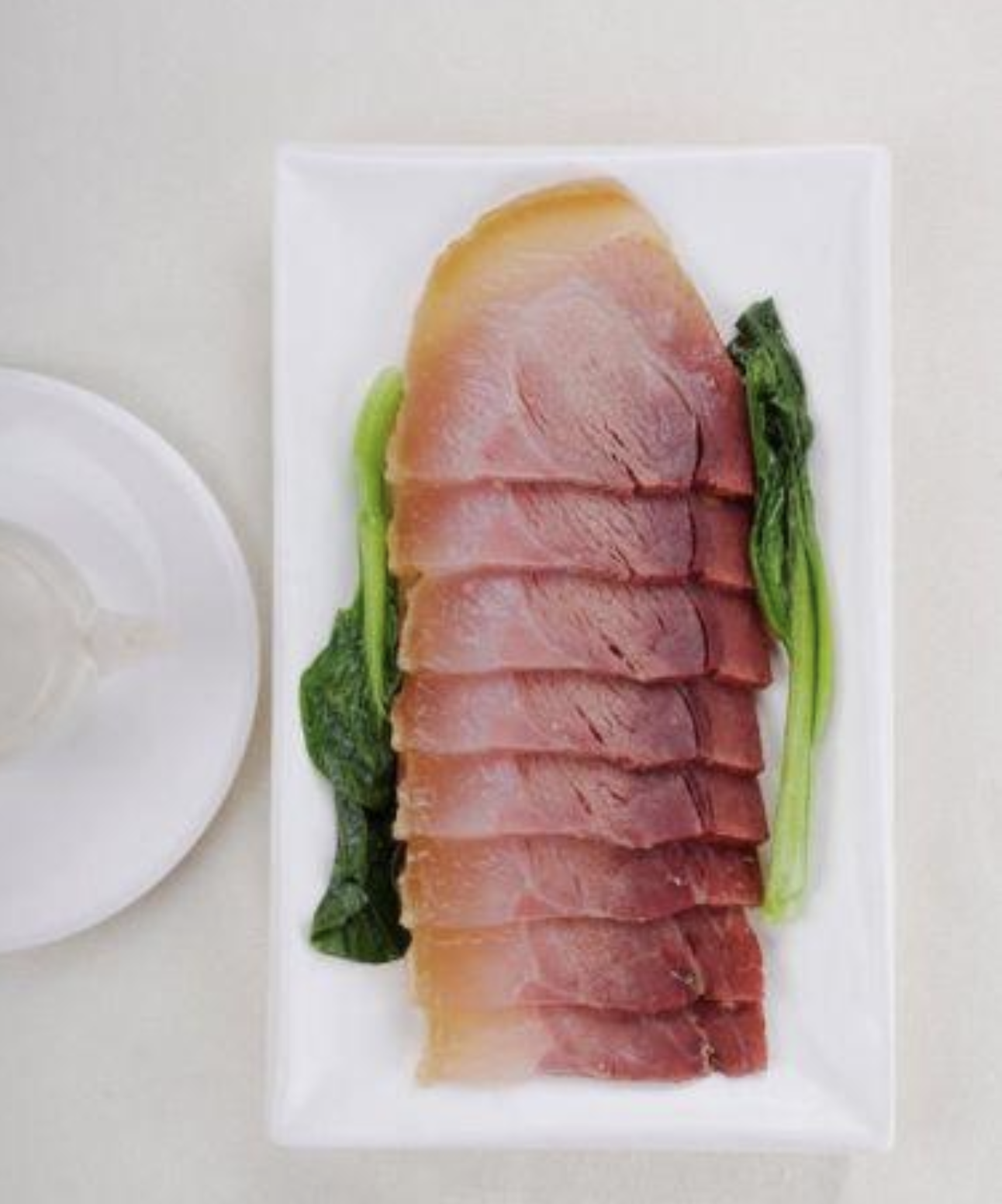
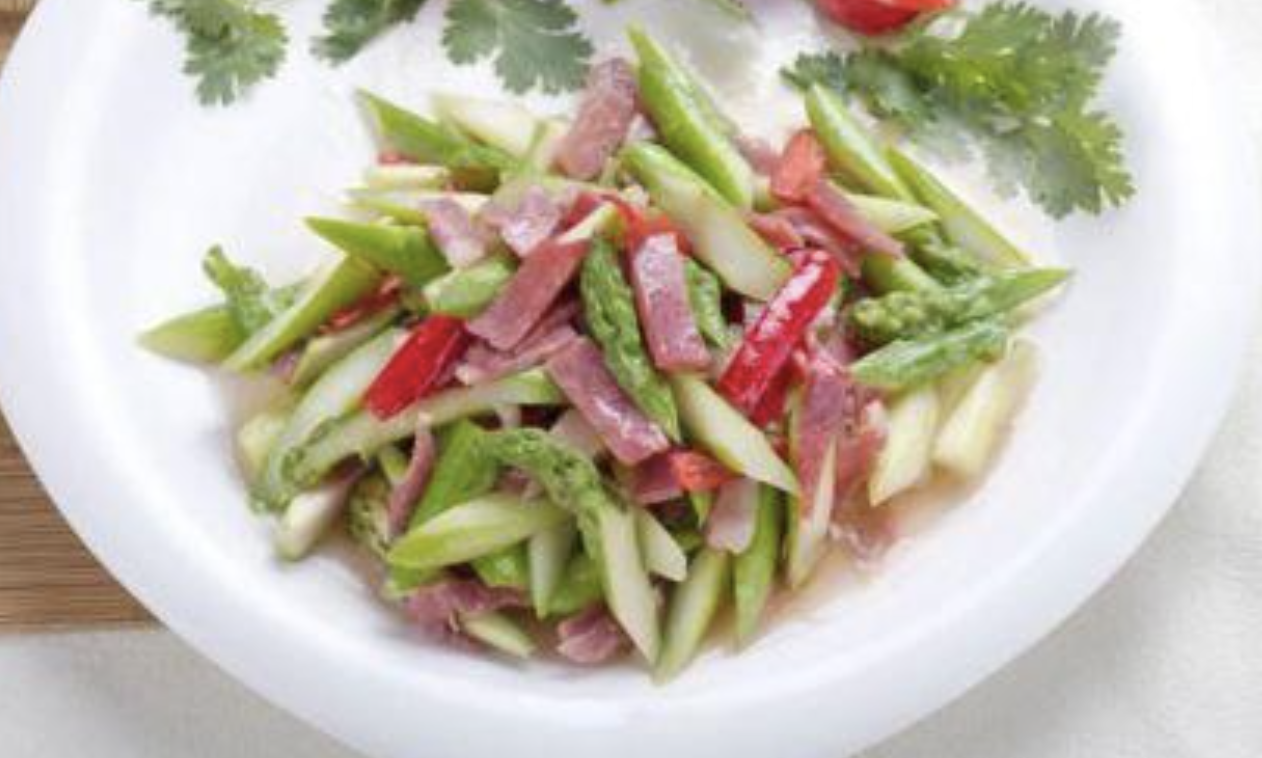
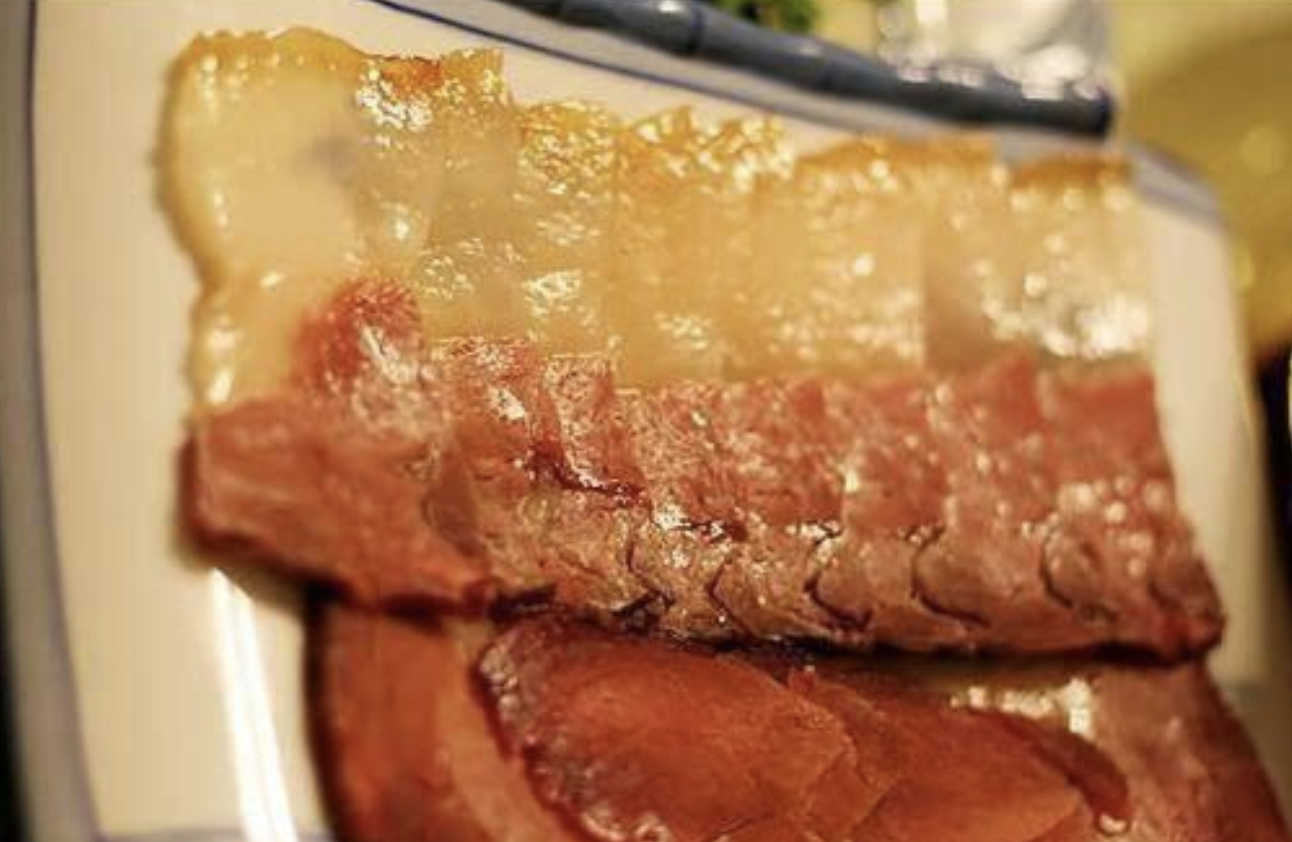
The finished ham features a beautiful bamboo-leaf or lute-like shape, with thin skin, rosy lean meat, creamy white fat, and an intense, unique aroma. It is prized for its rich umami, savory-sweet balance, and distinctive fermented flavor. Jinhua ham is an essential ingredient in Chinese cuisine, especially for enhancing soups, braised dishes, Buddha Jumps Over the Wall, steamed fish, and stir-fried vegetables, serving as a powerful natural flavor booster.
特徴
起源と歴史:浙江省金華の特産品で、宋代には貢物として献上され、宣威ハムや如皋ハムと並んで有名です。
原材料と加工方法:厳選された良頭豚の後ろ足を複数の工程を経て自然発酵させています。
風味:赤身は香り高く、塩味とほのかな甘みがあり、脂身は風味豊かでありながらしつこくなく、独特の味わいです。
栄養:タンパク質、脂質、ビタミン、ミネラルが豊富です。
識別方法:本物の金華ハムは、独特の脚輪を持ち、切り開くと肉は赤褐色、脂身は白色、骨髄は桃色です。

Features
Origin and History: A specialty of Jinhua, Zhejiang Province, it was a tribute item during the Song Dynasty and is renowned alongside Xuanwei and Rugao hams.
Raw Materials and Processing: Made from carefully selected hind legs of "Liangtouwu" pigs, processed through multiple steps and naturally fermented.
Flavor: The lean meat is fragrant, salty, and slightly sweet; the fat is fragrant but not greasy, with a unique flavor.
Nutrition: Rich in protein, fat, vitamins, and minerals.
Identification: Authentic Jinhua ham has a distinctive leg ring; when cut open, the meat is reddish, the fat is white, and the bone marrow is peach-red.
Cooking and Usage
Not Suitable for Raw Consumption: Due to its high salt content, it is not suitable for direct raw consumption and requires heating.
Preparation: Before cooking, wash thoroughly with clean water, then boil or steam in boiling water (approximately 20-40 minutes) to remove excess salt and soften the ham before cooking.
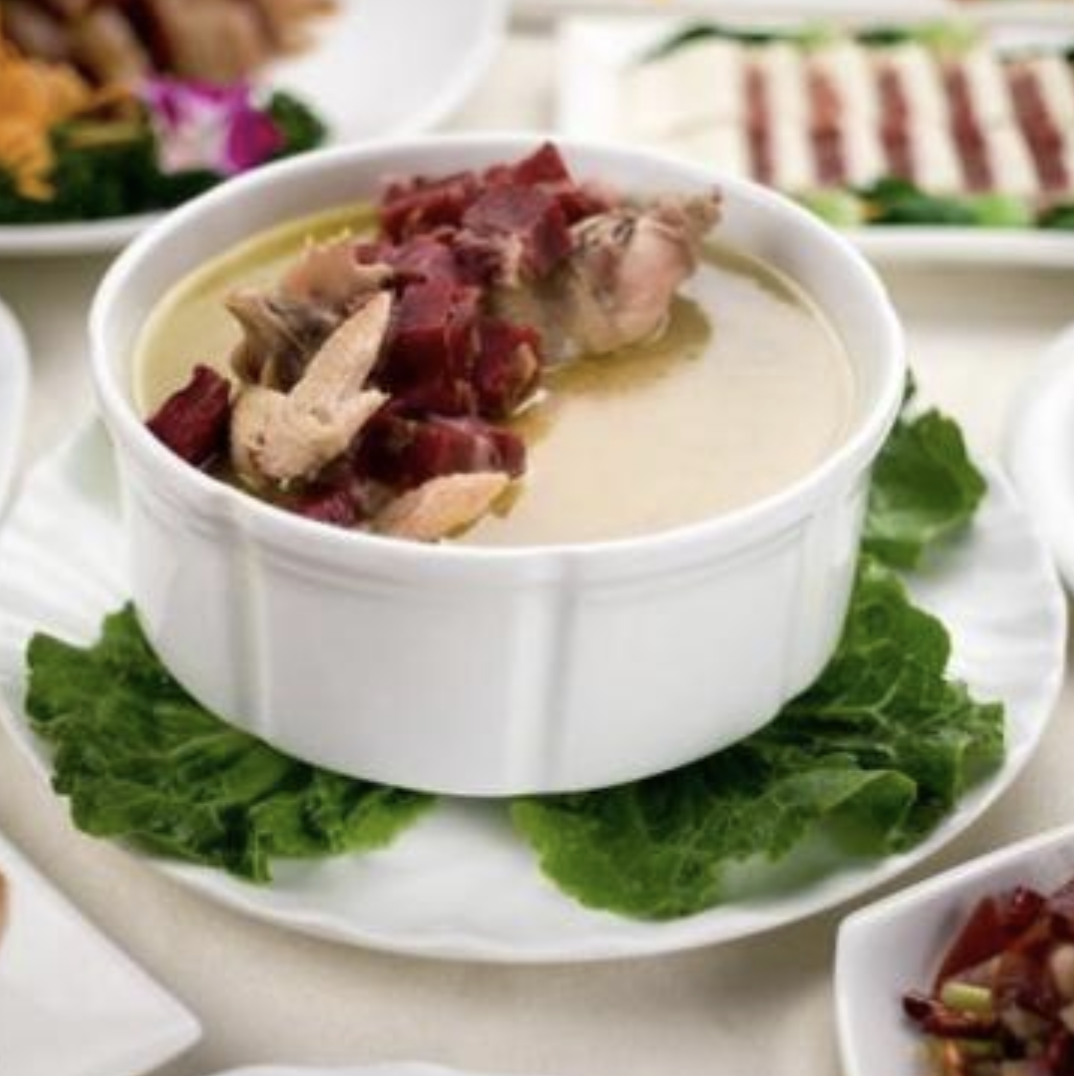
Uses: Commonly used in soups (such as ham and chicken soup), porridge, stir-fries, and seafood dishes (such as Buddha Jumps Over the Wall), it can remove fishy smells and enhance flavor.
Different parts: Ham hock is suitable for soups, ham bones for flavoring, and the middle section of ham has the widest range of uses.
Precautions:
High in sodium and calories: High in fat and sodium, people with high blood pressure should consume with caution and pair with vegetables to balance the calories.
Storage: Vacuum-packed for long-term storage, unopened can be refrigerated, flavor period is usually 2-3 years.
Three main yeast genera were found, Saccharomyces, Schizosaccharomyces, and Hansenula.
Many people prefer to buy whole Jinhua hams, firstly because they can choose different parts depending on the dish, and secondly because whole hams are generally easier to preserve.
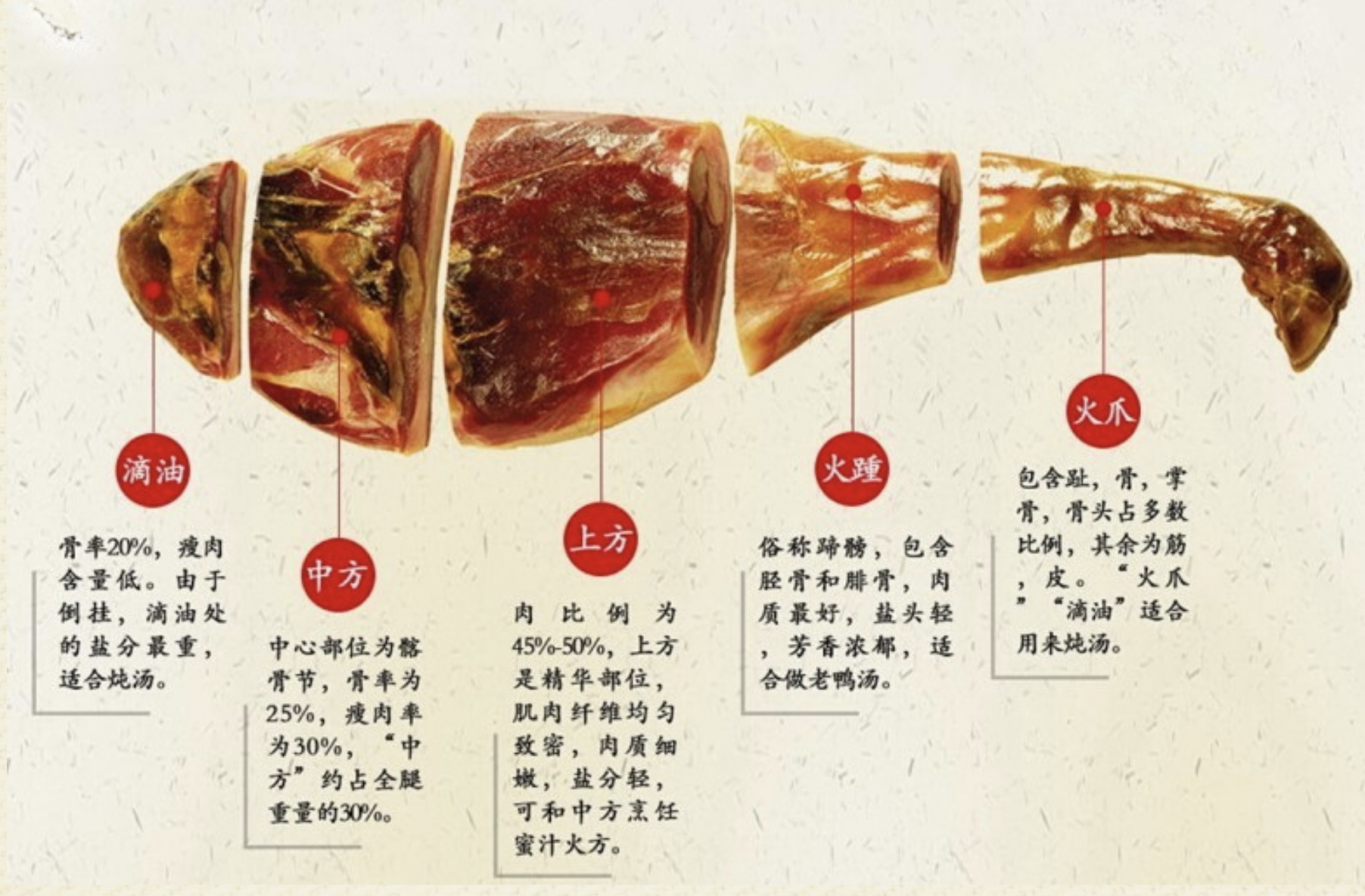
**Drip Cut** (滴油)
20% bone, low lean meat content. Due to its hanging position, the dripping part is the saltiest, suitable for stewing. The upper, fattier part of the leg, also called the sirloin or rump end. It is more tender and flavorful but has a T-shaped bone that can be harder to carve around.
**Central Section** (中方)
The central part is the iliac joint, with a bone ratio of 25% and a lean meat ratio of 30%. The "central section" accounts for about 30% of the total weight of the ham.
**Upper Section** (上方)
Meat ratio is 45%-50%. The upper section is the most prized part, with evenly distributed and dense muscle fibers, tender meat, and low salt content. It can be used to cook honey-glazed ham with the central section. The upper, fattier part of the leg, also called the sirloin or rump end. It is more tender and flavorful but has a T-shaped bone that can be harder to carve around.
**Center-Cut Section** (大陸, 中方)
Slices taken from the center of the leg. Commonly known as "moving and still," it includes the femur and fibula. It has the best meat quality, low salt content, and a rich aroma, suitable for making old duck soup.
**Shank | Claw** (火爪, 滴油)
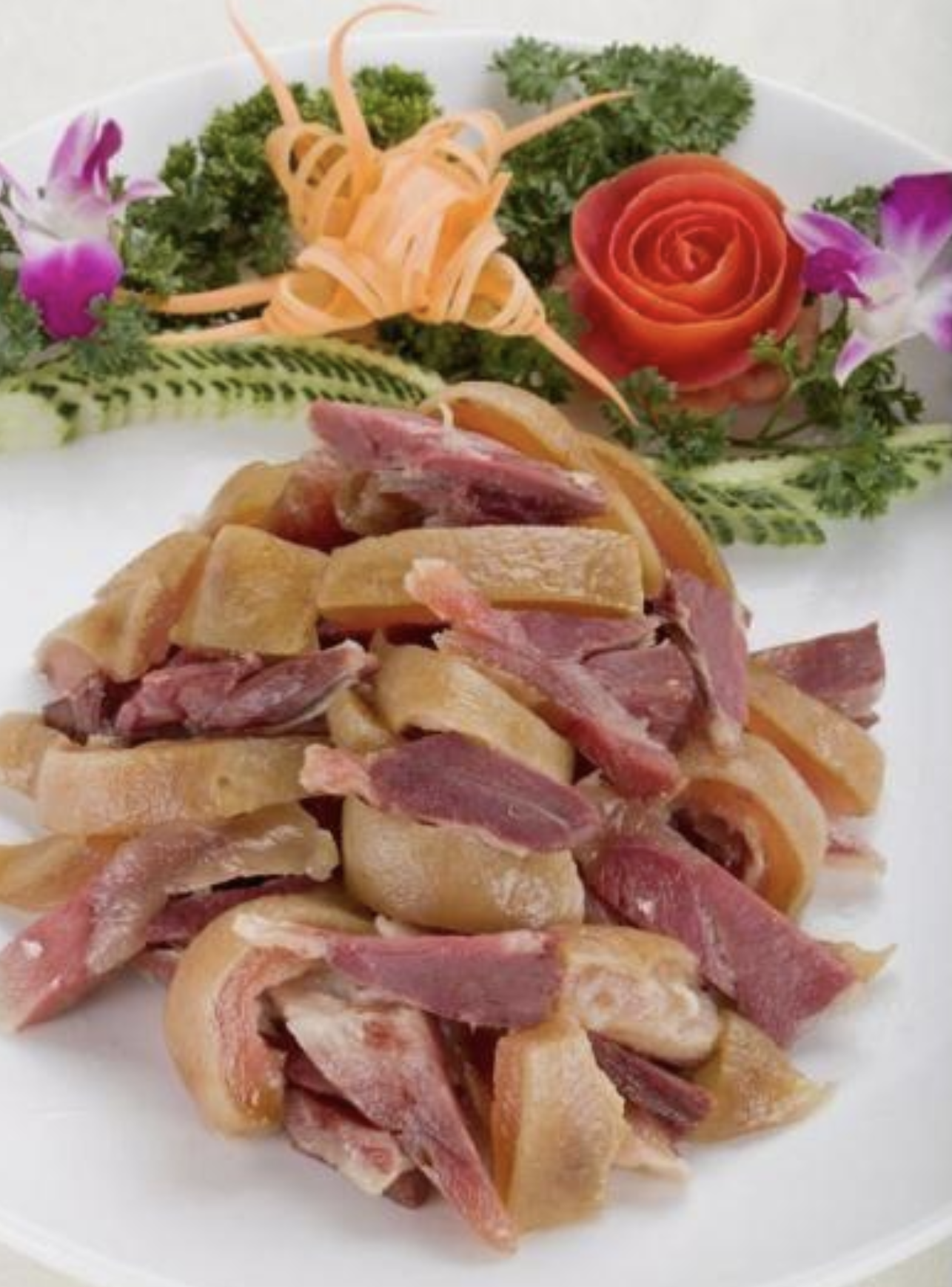
It contains fingers, bones, and metacarpals, with bones making up the majority and the rest being tendons and skin. The "dripping oil" of the fire claw makes it suitable for stewing in soup.
The lower half of the leg, which contains only the femur bone and is easier to carve. It's often used for baked ham but can be leaner and may dry out more easily.
🥘 Recipes:
1. Xuanwei Ham Butt Recipe:
The upper, fattier part of the leg, also called the sirloin or rump end. It is more tender and flavorful but has a T-shaped bone that can be harder to carve around.
Since ham feet are mostly bone with tendons and skin, they are perfect for stewing. The broth becomes incredibly flavorful. They can be stewed with cabbage, shiitake mushrooms, other mushrooms, potatoes, lotus root, radish, bamboo shoots—basically, many vegetables. The resulting soup is very fragrant, nourishing, and appetizing. Especially in winter, using them for soup or hot pot is a true delight; a soup-making marvel!
2. Xuanwei Ham and Coin Ham Recipe (宣威火腿 金錢腿):
The coin ham cut is low in salt and mostly tendons, making it very flavorful. It's perfect for making famous soups and stews, a true soup-making marvel. The broth made with coin ham is rich, fragrant, and appetizing, a classic Yunnan-style soup. The famous Yunnan ham and coin ham slices are made from this cut.
Specific method: Put the ham in a pot and boil until cooked. Remove the bones, then slice and eat. You can also make a dipping sauce and eat it together. The taste will exceed your expectations; it truly lives up to its name as a magical soup-making ingredient: Xuanwei ham "coin".
3. How to make Xuanwei ham "crown" (fragrant crown 宣威火腿香皇冠):
Xuanwei ham "crown" is the most quintessential part of Xuanwei ham, with a perfect ratio of lean to fat, containing both tendons and meat. It's suitable for making ham dishes. You can boil it whole, then slice and eat it. Alternatively, you can slice it and steam it for ten minutes. You can also steam it with potato slices or pumpkin slices. Another option is to slice it and stir-fry it with green peppers or dried chili peppers. It can also be stir-fried and eaten separately, creating a very delicious dish.
4. Cooking Methods for the Middle Cut of Xuanwei Ham (宣威火腿中方部位):
The middle cut, with its meat and bone separated, has a delicious flavor and is suitable for dicing and making ham fillings or stir-frying. It has a higher lean meat content, making it a top-quality ingredient for making premium Yunnan ham mooncakes. It's also suitable for stir-frying, stewing, steaming, stir-frying with green peppers, water bamboo shoots, green bamboo shoots, dried chilies, cabbage, and other vegetables. It can also be stir-fried with green peppers, or boiled and sliced for consumption.
5. Cooking Methods for the Lower Cut of Xuanwei Ham (宣威火腿下方部位):
Because it hangs upside down, the lower cut has a higher salt and oil content than other cuts. The lean-to-fat ratio is roughly 50/50, with more fat. It's best to soak it for a period to remove excess salt before stir-frying with beans or bamboo shoots. It can also be boiled, stir-fried with green bamboo shoots, cabbage, or green beans. The cooking methods are generally similar, with slight variations in salt content. Cook according to personal preference. Never add salt when cooking Xuanwei ham.
🔅 Important Notes:
When teaching how to make slow-cooked soup, older generations often add a small piece of Jinhua ham to enhance the flavor. A good piece of Jinhua ham, even a small one, can really add flavor. So what makes a good Jinhua ham? It mainly comes down to its color, aroma, and dryness.
First, the ham should not have black spots on its surface; it should be yellowish-brown or peach-colored, while the fat should be white or slightly reddish and glossy. The lean meat should be a deep rose or peach color. Furthermore, the cut surface should be flat, and it should have a sweet, smoky aroma. Finally, it must be dry enough. For soup, the bone-in ham shaft or ham hock (the lower half of the whole Jinhua ham) is often used. With more bone and less meat, it's rich in collagen, giving the soup a milky white hue! Many older people also like to use the best part of the whole thigh (or ham hock) to make soup. Because it has fat, lean meat and skin, it can also be used to steam fish, stir-fry vegetables, or even make the classic dish - honey ham hock!
National Intangible Cultural Heritage Production Technique
The production of ham uses only the large, tender hind legs of pigs, with hind legs weighing 5-9 kg being the preferred choice. The process involves curing, washing, air-drying, racking, and fermentation, traditionally requiring 8-10 months.
Raw Material Selection: Select high-quality fresh hind legs, requiring thin skin, slender claws, a lean-to-fat ratio, and freedom from injuries or diseases. Weight should be 5,000-7,500 grams.
Trimming: Use a knife to scrape away residual hair and dirt from the pig leg skin, trimming the hind leg into a uniform pipa shape and smoothing the surface.
Cuiling: The suitable curing temperature is 8℃, as low temperatures slow salt penetration while high temperatures accelerate bacterial growth. Curing time is approximately one month. Salting is required 5-7 times, using only refined salt.
Washing and Drying: The cured ham is soaked and rubbed in clean water, then sun-dried. Complete dehydration takes 6-10 days.
Shaping: The industry term is "trimming." Smooth out any protruding bones and trim the pig leg into a bamboo leaf shape.
Air-drying and Fermentation: Move the ham indoors to air-dry and ferment for approximately 6-8 months. During this period, proteins and fats ferment, producing a unique flavor.
Post-fermentation Process: Remove any mold from the ham, brush with vegetable oil, and pile it skin-side down on a wooden bed. Turn it over every 5-7 days to ensure even oil absorption.
"Toxic Ham" Incident
On November 16, 2003, CCTV's "Weekly Quality Report" exposed that some companies in Jinhua used banned drugs such as dichlorvos to soak pig legs. This incident dealt a significant blow to the Jinhua ham industry.