🚚 Fastest delivery time: next day delivery.
🐝 Supplier / Place of Origin: Made in Hong Kong
🌱 Manufacturer introduction:
Maintaining quality standards for half a century, embodying the hardworking spirit of Hong Kong people
Li Huan's Sweet-Heart Preserved Egg Specialty Shop (one of the only stores), owned by Ms. Li Huan (formerly known as Mrs. Guan of Shun Hing).
At the age of seven, she moved to Hong Kong from her hometown of Xinhui and has been specializing in preserved eggs for over 60 years. She is widely regarded as the heart and soul of the shop, beloved by both gourmets and locals. Now 73, she continues to personally oversee all aspects of the shop, her dedication and commitment worthy of admiration from Hong Kong people.
Famous high-quality sweet-heart preserved eggs, unique recipe, safe and guaranteed to be enjoyed.
Li Huan's sweet-heart preserved eggs are sourced from our own intestinal farm, where we strictly control quality, ensuring peace of mind for our customers. Owner Li Huan said: "Pidan (preserved eggs) are generally divided into two types: regular and soft-boiled. Hong Kong people who are knowledgeable about food prefer soft-boiled eggs. High-quality soft-boiled eggs have a soft, mushy center, a unique "secret recipe" that exudes a subtle fragrance on the tongue and a smoother texture. The egg itself is even more superior when it has a pine flower-like shape."
半世紀にわたり品質基準を守り続け、香港の人々の勤勉な精神を体現
李歓のスイートハート型卵専門店(香港では数少ない店舗の一つ)は、李歓氏(旧姓順興関夫人)がオーナーを務めています。
李歓氏は7歳の時に故郷の新匯から香港へ移住し、60年以上にわたり卵の保存に特化してきました。彼女は店の魂とも言える存在であり、グルメな人々から地元の人々にも愛されています。73歳になった今も、店のあらゆる側面を自ら監督し、その献身的な姿勢は香港の人々から称賛されています。
名高い高品質のスイートハート型卵は、独自の製法で作られ、安全で安心してお召し上がりいただけます。
李歓のスイートハート型卵は、自社の腸内農場で生産されています。厳格な品質管理のもと、お客様に安心してお召し上がりいただけます。店主の李歓さんはこう語る。「ピータン(卵の保存食)は一般的に普通の卵と半熟の2種類に分けられます。食通の香港人は半熟卵を好みます。上質な半熟卵は、中心部が柔らかく、独特の『秘伝の製法』で舌触りがほのかに香ばしく、なめらかです。卵自体が松の花のような形をしているものは、さらに素晴らしいのです。」
保持半世紀的優質水準 發揮香港人寶幹精神
李煥糖心皮蛋專門店(只此一家),老闆娘—李煥女士(為前順興老關娘)。
她7歲的時候,從家鄉新會來到香港定居,一直專營皮蛋食品60多年,衆所皆知是店舖的靈魂人物,大受食家及銜坊歡迎。現時•73歲的她依然堅持身體力行打理店舖大小事務,敬業樂業精神值得香港人敬佩。
馳名優質糖心皮蛋 獨持配方 吃得安全 有保障
李煥糖心皮蛋來源於自家生產及管理的養腸場,嚴格的品質監管,讓大家買得安心食得放心。老闆娘李煥-皮蛋大致分為二種: 普通皮蛋及糖心皮蛋,識飲識食的香港人較喜歡糖心皮蛋,優質的糖心皮蛋是軟心及呈糊狀,獨的「秘方』,在舌尖上散發出陣陣幽香,口感更香滑,而蛋自肉呈現松花形狀,更為上乘。』
Li Huan Tang Preserved Egg Specialty Store
Shop B, G/F, Cheong Sang Commercial Building, 118 Wing Lok Street, Sheung Wan

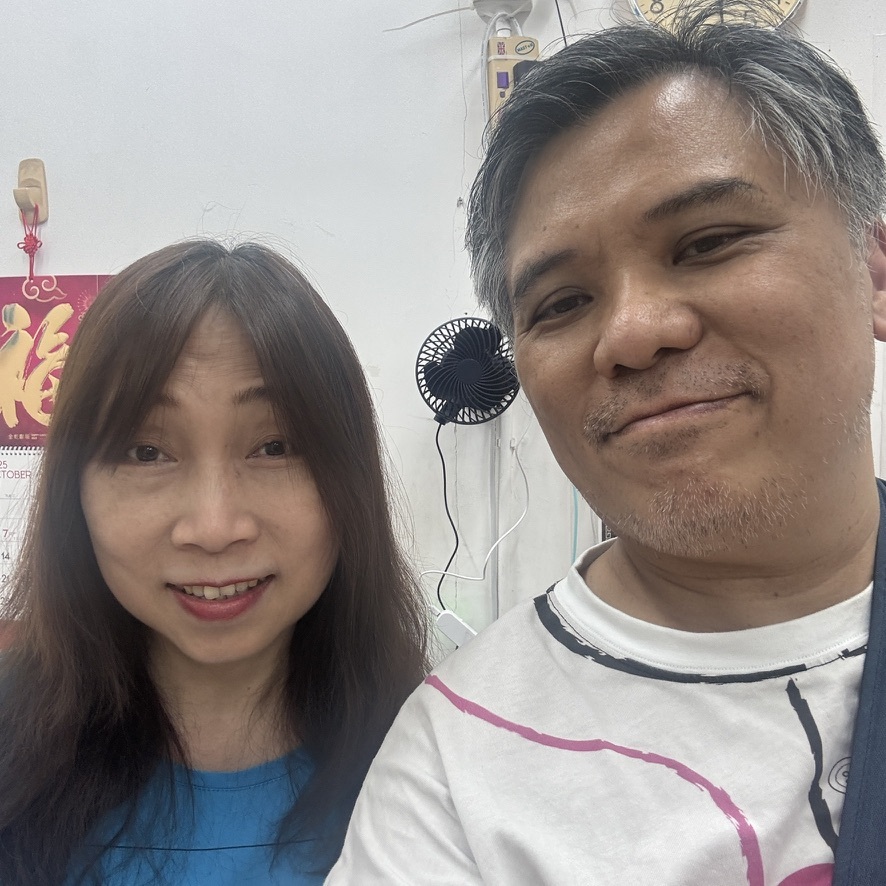
李煥糖心皮蛋創辦人後人 田小姐
🛍 Product Information:
Product ingredients: fresh duck eggs, salt, alkaline
Century eggs (Chinese: 皮蛋; pinyin: pídàn; Jyutping: pei4 daan2), also known as preserved eggs, hundred-year eggs, thousand-year eggs, thousand-year-old eggs, millennium eggs, skin eggs, black eggs or old eggs, are a Chinese egg-based culinary dish made by preserving duck, chicken or quail eggs in a mixture of clay, ash, salt, quicklime, and rice hulls for several weeks to several months, depending on the method of processing.
Through the process, the yolk becomes a dark green to grey color, with a creamy consistency and strong flavor due to the hydrogen sulfide and ammonia present, while the white becomes a dark brown, translucent jelly with a salty flavor. The transforming agent in the century egg is an alkaline salt, which gradually raises the pH of the egg to around 9–12, during the curing process. This chemical process breaks down some of the complex, flavorless proteins and fats, which produces a variety of smaller flavorsome compounds.
Some eggs have patterns near the surface of the egg white which are likened to pine branches. These patterned eggs are regarded as having better quality than the normal century eggs and are called Songhua eggs, also known as pine flower eggs or pine-patterned eggs (Chinese: 松花蛋).
Uses
Century eggs can be eaten without further preparation other than peeling and rinsing them – on their own, or as a side dish. In central China, they are sliced into pieces and drizzled with some black vinegar and served as a side dish. As an hors d'œuvre, the Cantonese wrap chunks of this egg with slices of pickled ginger root (sometimes sold on a stick as street food). A Shanghainese recipe mixes chopped century eggs with chilled tofu. In Taiwan, it is popular to eat sliced century eggs placed on top of cold tofu with katsuobushi, soy sauce, and sesame oil, in a style similar to Japanese hiyayakko. A variation of this recipe common in northern China is to slice century eggs over chilled silken (soft) tofu, adding liberal quantities of shredded young ginger and chopped spring onions as a topping, and then drizzling light soy sauce and sesame oil over the dish, to taste. They are also used in a dish called old-and-fresh eggs, where chopped century eggs are combined with (or used to top) an omelette made with fresh eggs.[9] The century eggs may also be cut into chunks and stir fried with vegetables, which is most commonly found in Taiwanese cuisine.
Some Chinese households cut them up into small chunks and cook them with rice porridge to create "century egg and lean pork congee" (Chinese: 皮蛋瘦肉粥; pinyin: pídàn shòuròu zhōu). This is sometimes served in dim sum restaurants. Rice congee, lean pork, and century egg are the main ingredients. Peeled century eggs are cut into quarters or eighths and simmered with the seasoned marinated lean slivers of pork until both ingredients are cooked into the rice congee. Fried dough sticks known as youtiao are commonly eaten with century egg congee. Another common variation of this dish is the addition of salted duck eggs into the congee mixture.
Misconception and etymology
Foreigners who first arrived in China do not know what preserved eggs are, and believe that they must be stored for a long time before they turn black, so they are called "Century Egg" (Century Egg, Hundred-year Egg) or "Thousand-year Egg" in English. Also because of its unique taste, Westerners could not accept it for a while, so it has the title of "Egg From Hell" or "Devil's Nuts", which has been handed down to this day. With the gradual international acceptance of preserved eggs, there is also the name of "Preserved Egg" (Preserved Egg or Preserved Duck Egg) in English. In addition, because tortoises have a long lifespan, a few people mistakenly think that preserved eggs are tortoise eggs that are centuries old.
Century eggs are sometimes avoided due to the belief that they are prepared by soaking eggs in horse urine, but there is no good evidence to support this, and furthermore urine is generally not alkaline. In Thai and Lao, the common word for century egg translates to "horse urine egg", due to the distinctive urine-like odor of the food.
Safety
Century eggs prepared in traditional ways are generally safe to consume. However, there have been incidents of malpractice in century egg production that causes eggs to be contaminated. In 2013, three factories in Jiangxi province were found to be using industrial copper sulphate in century egg production to shorten the production time. The industrial copper sulphate was contaminated with heavy metals and toxic chemicals.
🌱 Manufacturer introduction:
Li Huan Tang Preserved Egg Specialty Store
Shop B, G/F, Cheong Sang Commercial Building, 118 Wing Lok Street, Sheung Wan