🚚 The fastest delivery time : 2-day delivery.
🐝 Supplier / Origin : Trepunti, Sicily Island of Italy
🔖 Certification : Certified organic by Italy and EU
🌱 Manufacturer introduction :
About Trepunti
The Trepunti farm is surrounded by mountains and the sea, and the highest active volcano in Europe, Mount Etna, can already be seen on the farm. Therefore, the soil on the farm contains a lot of minerals that help crops grow, which is very suitable for fruit growth.
The farmer, Jennifer, is a girl from Hong Kong who is married to a Sicilian farmer. She pays great attention to the food safety and quality of fruits and vegetables. In order to pursue higher quality fruits and vegetables, she began to learn how to cultivate organic fruits and vegetables. Jennifer and his wife, who like Hong Kong very much, opened an online store in Hong Kong in 2019 in order to allow the public in Hong Kong to enjoy the high-quality fruits and vegetables of Sicily, and bring high-quality Sicilian fruits and vegetables to Hong Kong citizens.
🛍 Product Information :
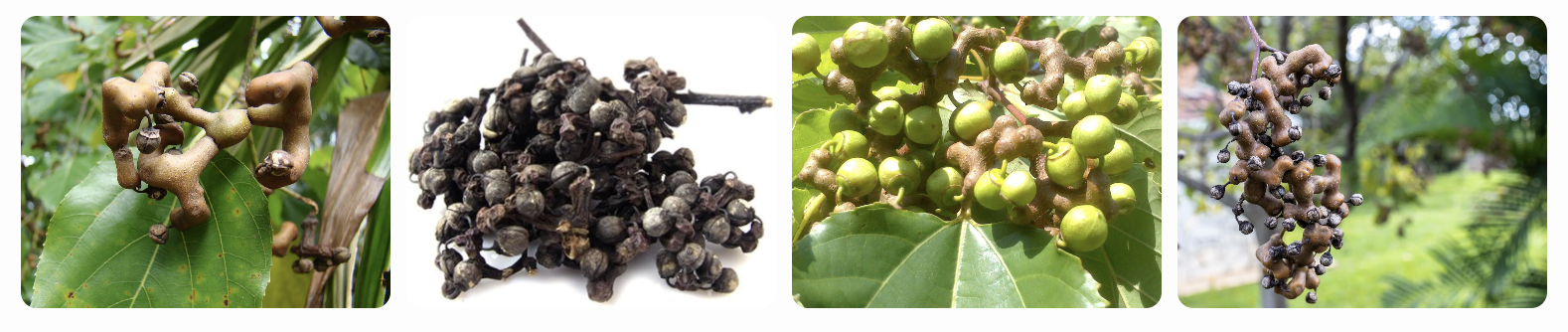
The fruit of the Japanese raisin tree (Hovenia dulcis) is sweet and neutral in nature. It has the functions of quenching thirst, relieving irritability, clearing damp heat, and detoxifying alcohol. The leaves and branches also have similar effects.
Koreans consider Japanese raisin tree fruit a primary natural ingredient for liver protection and hangover relief.
The ancient medical book *Compendium of Materia Medica* (本草綱目) records that the Japanese raisin tree has excellent effects on detoxification, detoxification, and clearing heat. Zhang Gong, a famous physician from Sichuan during the Song Dynasty, used it to detoxify alcohol. Scientific research has also found that it can shorten the time it takes to sober up.
梅干(Hovenia dulcis)の実は甘く、性質は中性です。喉の渇きを癒し、イライラを鎮め、湿熱を清め、アルコールを解毒する作用があります。葉や枝にも同様の作用があります。
韓国では、梅干の実は肝臓保護と二日酔いの緩和に効果のある主要な天然成分と考えられています。
古代の医学書『本草綱目』には、梅干が解毒、解毒、清熱に優れた効果があると記されています。宋代の四川省の名医、張公は、アルコールの解毒に梅干を用いていました。科学的研究では、酔いが覚めるまでの時間を短縮する効果があることも明らかになっています。
Supply period: only from January to February every year
Hovenia dulcis, commonly known as the Japanese raisin tree or oriental raisin tree, is a deciduous tree native to East Asia (China, Korea, Japan, and the Himalayas). The edible part is primarily the swollen, fleshy fruit stalks (peduncles), which are sweet, fragrant, and resemble raisins in taste and texture when dried. They can be eaten fresh, dried, or used in teas and extracts. Traditionally used in Chinese, Korean, and Japanese medicine as a hangover remedy, liver protector, and diuretic, it contains high levels of sugars (glucose, fructose, sucrose) and bioactive compounds like dihydromyricetin (DHM), known for supporting alcohol detoxification, reducing hangover symptoms, and providing antioxidant benefits. It is increasingly popular as a functional food and supplement for liver health.
It is recommended to keep it in a cool place. environment for longer storage. Use for Fruits, salad, cake and desserts. Storage can keep 3-4 weeks (refrigerated).
5-10 twigs per 100g.
Overview of Dihydromyricetin (DHM)
Dihydromyricetin (DHM), also known as ampelopsin, is a flavonoid compound primarily extracted from plants like Ampelopsis grossedentata (vine tea) and Hovenia dulcis (Japanese raisin tree). It has been used in traditional East Asian medicine for centuries, particularly for hangover relief and liver protection. Modern scientific research, spanning in vitro, animal, and limited human studies, highlights DHM's antioxidant, anti-inflammatory, anti-tumor, and neuroprotective properties. Key areas of study include its effects on alcohol metabolism, liver diseases, metabolic disorders, inflammation, and cancer.
Key Effects on Alcohol Intoxication and Hangover
DHM is best known for counteracting acute alcohol effects:
A landmark 2012 study in rats showed DHM (1 mg/kg) rapidly reverses ethanol-induced intoxication by modulating GABA_A receptors, reducing loss of righting reflex (from ~70 minutes to ~5 minutes), and alleviating withdrawal symptoms without causing sedation.
It enhances ethanol metabolism by boosting alcohol dehydrogenase (ADH) and aldehyde dehydrogenase (ALDH) activity, accelerating clearance of ethanol and acetaldehyde.
Recent animal studies (e.g., 2020 USC research) confirm DHM protects the liver during alcohol exposure by altering lipid metabolism, reducing steatosis, inflammation, and oxidative stress via pathways like AMPK/Sirt-1/PGC-1α.
Human evidence is emerging: Small trials and observational data suggest reduced hangover severity (e.g., lower Acute Hangover Scale scores for symptoms like headache and nausea), but large-scale randomized controlled trials are limited, and efficacy claims for supplements remain under scrutiny.
Liver Protection and Metabolic Diseases
Numerous preclinical studies demonstrate hepatoprotective effects:
DHM ameliorates alcoholic liver disease (ALD) and non-alcoholic fatty liver disease (NAFLD) by reducing lipid accumulation, inflammation (e.g., lowering TNF-α, IL-6), and oxidative stress; mechanisms involve NF-κB inhibition, autophagy promotion, and AMPK/PGC-1α/PPARα pathways.
A 2015 randomized controlled trial in 60 patients with NAFLD showed DHM (150 mg/day for 3 months) improved glucose/lipid metabolism, reduced liver enzymes (ALT, AST, GGT), insulin resistance (HOMA-IR), and pro-inflammatory markers (TNF-α).
Reviews (e.g., 2021-2024) summarize low toxicity and benefits in chemical-induced liver injury, fibrosis, and regeneration, with "almost no toxicity" in animal models.
Anti-Inflammatory and Antioxidant Effects
DHM exhibits broad anti-inflammatory actions:
Inhibits NLRP3 inflammasome, NF-κB, cytokines, and neuroinflammation; effective in models of sepsis, arthritis, and endotoxin-induced injury.
Antioxidant properties clear reactive oxygen species (ROS), protect mitochondria, and regulate autophagy.
Anti-Cancer and Other Effects
Multiple reviews (2022-2024) detail anti-tumor mechanisms: Inhibits proliferation, induces apoptosis/autophagy, reduces invasion/migration in cancers (e.g., liver, breast, lung) via ROS modulation, p53 activation, and pathways like JAK/STAT, mTOR.
Neuroprotective in models of Alzheimer's, Parkinson's, and stroke; potential antidepressant effects via BDNF enhancement.
Benefits in diabetes (improves insulin sensitivity), cardiovascular health, and obesity (promotes browning of adipose tissue).
Safety and Limitations
DHM shows a high safety profile in short-term studies, with low bioavailability addressed via novel delivery systems. However, most evidence is preclinical; human trials are sparse, often small, and focused on metabolic/liver effects. Independent validation for hangover products is lacking, and potential drug interactions (e.g., CYP inhibition) exist.
Overall, DHM is a promising natural compound with strong preclinical support for alcohol-related and liver benefits, backed by mechanisms like enhanced metabolism and anti-inflammation. Further large-scale clinical trials are needed for definitive therapeutic claims.