Introduction
Halal certification, translated from the Arabic word حلال, means "permitted", which means that food or other products and services are audited by an authoritative organization to ensure that they comply with the provisions of Islamic law (Sharia). The following is a detailed analysis of the demand for halal-certified foods and the promotion of healthy snacks with halal certification.

The essence of purity is the existence of Islamic teachings (Sharia) and the norms of daily life, especially the harmonious behavior of eating and drinking. The Islamic religion emphasizes ``purity'', the separation of substance and spirit, and the purity and authenticity of certified food, ensuring that food is contaminated with contraindicated ingredients, maintaining purity of body and mind, and avoiding impure things (like: 豬, alcoholic spirit), which is the same as the Italian doctrine.
What is halal certification?
Concept
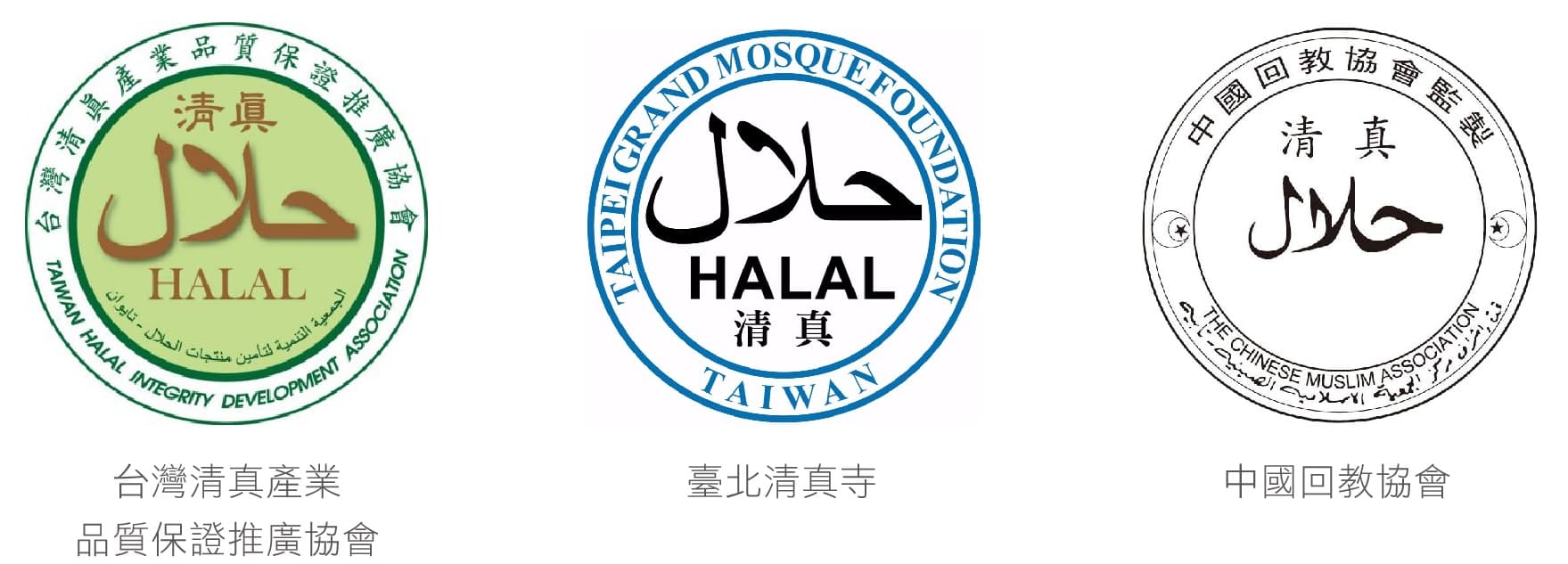
In the country's teachings, the `"Hala Certification'' restaurants are commonplace. However, since the envoy is in a non-Islander country, there are some countries that exist for a certain number of purposes in Musirin, and this promotes food, clothing, and food and beverage licensing systems. For example, "Incorporated Trustees of the Islamic Community Fund of Hong Kong" (香港回教信託基金總會) is responsible for Hong Kong Hala Certification, "Taiwan Hala Integrity Development Association" (台灣清真產業品質保證推廣協會) is responsible for Taiwan's operation, "Taipei Grand Mosque" (臺北清真寺) and "Chinese Muslim Association" (中國回教協會) promotes "Hala Food Certification", "Hala Restaurant Certification'', and can be removed from the food and beverage demand in China, as well as related factory business development market. The new religion is one of the highest quality and authentic certifications in the country, and is managed by the Islamic Religious Council of Singapore (MUIS).
The existence of halal certification is rooted in the strict regulations of Islamic law (Sharia) on the daily lives of Muslims, especially diet and behavior. Islam emphasizes that "purity" is divided into material and spiritual aspects, and halal-certified foods ensure that the food consumed by Muslims is not contaminated with taboo ingredients, keeps the body and mind clean, and avoids touching unclean things (such as pigs, alcohol) in accordance with Islamic teachings.
When you check the food packaging, if you see "Halal Certification" printed on it, it means that the food must comply with Islamic teachings from raw materials to product processing, including factory facilities, manufacturing machinery, packaging, etc., and the halal certification organization of the production area shall grant the halal certification to this food.
What are the requirements for halal-certified food?
Halal certified food requirements 1. Strict restriction on raw materials
For food to be halal certified, it cannot contain pork and its derivatives, alcohol, meat from animals not slaughtered in an Islamic manner, carnivorous animals, etc. Additives such as glycerin (which may come from animal fat), flavors (which may contain alcohol) and enzymes and emulsifiers (such as pepsin, which may come from non-halal slaughtered pigs or cows) are also not accepted.
Halal certified food requirements 2. Production and processing requirements
Halal certified food also has strict requirements for processing sites and equipment. First of all, there must be a dedicated production line to produce halal food. Storage and transportation must be separated from non-halal raw materials to avoid cross contamination.
The government is vigorously promoting Hong Kong to become a "Muslim-friendly" tourist city. The Healthy Organic Store also takes care of everyone's needs and will launch a variety of halal-certified foods.
Detailed explanation of halal certified food requirements
Here are some specific instructions for Halal certification:
Concept of Halal:
Halal means "legal" in Arabic, referring to things that comply with Islamic law, especially edible food.
Objects of certification:
Halal certification is mainly for food, medicine, cosmetics, etc., but also extends to other areas, such as hotels, restaurants, etc.
Purpose of certification:
Ensure that products comply with Islamic law from raw materials, production, processing to packaging, do not contain any unclean ingredients (such as pork, alcohol, etc.), and are produced in the right way.
Certification standards:
Halal certification standards vary by region and certification body, but generally include prohibitions on the use of pork and its products, blood, meat from specific animals, alcohol, etc., and require specific slaughtering methods and production processes.
The role of Halal certification:
For Muslims, Halal certification provides a way to identify whether a product complies with their religious beliefs, ensuring that they can eat or use it with peace of mind.
Introduction and specification of halal certified food
Islamic law is a law based on Islamic doctrines. It makes legal provisions for people's daily life and behavior based on the Quran and the words and deeds of the Muslim prophet Muhammad. Although different sects have different degrees of strictness in the implementation of the law, the doctrine is consistent. Here is the introduction of halal (HALAL; حلال) food by the Taiwan Halal Industry Quality Assurance Promotion Association (THIDA):
"Islam has clear regulations on food. Food that complies with the provisions of the Sharia is called legal (HALAL) food. Because it is handled with great attention to cleanliness and hygiene, it is also called "halal" food.
In the Quran, Allah commands: "It is forbidden to eat dead animals, blood, pork, and animals slaughtered in the name of other than Allah", but animals and food in the sea are legal. Birds of prey, beasts of prey, or omnivorous dirty livestock and amphibians (such as frogs and toads) as well as turtles, tortoises, and crocodiles are also not edible.
Derivatives of these prohibited food (drinks) are also prohibited, such as lard, soup, sausage, etc. In addition, since the blood of animals, whether legal or illegal, is also prohibited, chicken blood, duck blood, and pig blood are not edible.
Excerpted from: Taiwan Halal Integrity Development Association
Halal Food Vegetables, Fruits, and Seafood
Generally speaking, vegetables, fruits, and seafood are legal for Muslims to eat. However, scaleless fish such as eels and eels, and strange-shaped aquatic creatures such as turtles and tortoises are more controversial and are recommended to be avoided. Wine should not be used for seasoning. Some agricultural products may cause a sense of anesthesia, mental depression, or harm to physical health, and can be converted into alcohol. These cannot be used or eaten.
Note: The Taiwan Halal Integrity Development Association (THIDA) accepts applications for halal certification for fresh agricultural products, and applications must be accompanied by a production and sales history. Fresh agricultural products refer to fresh agricultural products produced from farmland, including agricultural products such as vegetables, fruits, etc., but do not include processed agricultural products or animal agricultural products.
Conditions and regulations for the use of ethanol (alcohol)
According to Islamic law, all alcohol is prohibited because it can make people lose their minds and become addicted. However, if agricultural chemicals (not alcohol production) are used to ferment carbohydrates, the ethanol (alcohol) produced is not equivalent to alcohol. The conditions for the use of ethanol (alcohol) produced by non-alcohol production are:
If there is no alcohol residue after extraction, it can be used as an extraction solvent, such as the extraction of spices, plant herbs, etc., and it can also be used as a dissolving processing aid, but it must not remain (greater than 0.5%).
Ethanol cannot be added as a flavoring agent or other purposes (flavor enhancer).
When adding spices, ethanol cannot be used as a diluting solvent, and plant-based "glycerides" or "propylene glycol" should be used.
It cannot be used as a processing aid such as defoaming, nor as a preservative antibacterial agent.
The ethanol content of the final product must not exceed 0.5%.
Alcohol is allowed to be used in cosmetics and perfume products, but no alcohol may be added.
Excerpt from: Taiwan Halal Integrity Development Association - Halal Certification Specifications for the Use of Alcohol
For businesses, halal certification is a necessary condition for entering the Muslim market, which helps expand business and enhance brand image.
For non-Muslim consumers, halal certification also represents the quality and safety standards of the product and provides a choice.
Muslims often eat poultry such as chickens, ducks, and geese, and livestock such as cattle, sheep, and camels, and they must go through the slaughtering procedures prescribed by Sharia law. Its conditions are
The slaughtered animal is healthy and alive;
The utensils used for slaughter are sharp, which can immediately cut off the jugular vein, trachea and esophagus, so that the blood is released and it dies immediately (reducing its pain);
When slaughtering, recite the name of Allah.
All cattle, sheep, chickens, ducks, etc. that have been processed through the above procedures are legal meat products, and the English word HALAL, the Chinese word "halal", or the Arabic character حلال are generally marked on the packaging.
Generally, the cattle, sheep, chickens, and ducks sold in the market are illegal to eat if they are not slaughtered by Muslims according to the above procedures (HARAM). In addition, items that have been worshipped, even vegetarian fruits, cakes, and pastries, cannot be eaten. '
Excerpt from: Taiwan Halal Integrity Development Association
For businesses, halal certification is a necessary condition for entering the Muslim market, which helps expand business and enhance brand image.
For non-Muslim consumers, halal certification also represents the quality and safety standards of products and provides a choice.
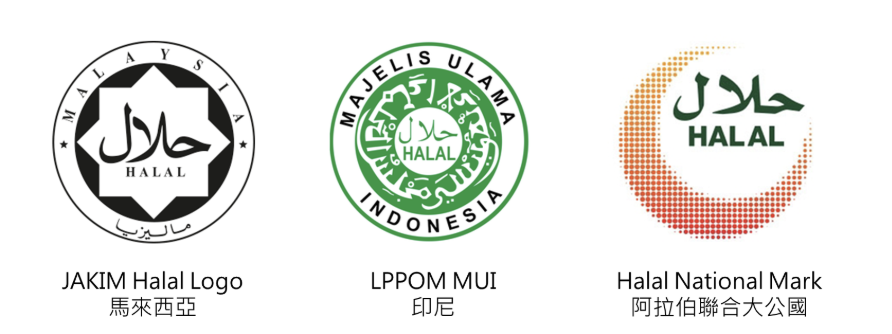
Certification logo:
Halal-certified products usually have a halal certification logo printed on the packaging for easy identification by consumers.
Certification process:
Manufacturers need to apply to the certification body, provide relevant information, and accept on-site inspections. They can only obtain certification after passing the review.
Food safety requirements:
Halal certification can provide food safety testing projects. In food, whether it is raw materials, semi-finished products or finished products, microbial testing is the basic safety and quality confirmation. Food indicator pathogens - Enterobacteriaceae and basic microbial testing meet the food safety and hygiene requirements of certification.
[Microorganisms] Bacterial count, Enterobacteriaceae, Escherichia coli, coliform group, etc.
[Animal ingredient inspection] Vegetarian, pig, cattle, sheep, chicken, fish, duck ingredient inspection, etc.
[Alcohol detection] Methanol, ethanol content detection
[Additives] Preservatives, antioxidants, colorants, sweeteners, hydrogen peroxide, sulfur dioxide
[Genetically modified] 10 items for corn, 13 items for soybeans, qualitative/quantitative
[Pesticide residues] 380 items, 381 items, 373 items (stop testing), 374 items (stop testing) (including dithiocarbamates)
[Animal drugs] 48 animal drugs, tetracycline, nitrofuran metabolites, malachite green and its metabolites
[Nutrition labeling] 8 major, 14 major in the United States, vitamins, minerals
[Western medicine ingredients] 205 common Western medicine ingredients, 214 Item 1, 232, 233, 400 (including weight loss drugs and aphrodisiac ingredients)
Reference


